TheJakartaPost
Please Update your browser
Your browser is out of date, and may not be compatible with our website. A list of the most popular web browsers can be found below.
Just click on the icons to get to the download page.


Popular Reads
Top Results
No results found. Please check your search term and try again
Can't find what you're looking for?
View all search results
Popular Reads
Top Results
No results found. Please check your search term and try again
Can't find what you're looking for?
View all search resultsSafeguard children’s future
With no signs as to when we can beat the pandemic, allowing children to leave home for classes only amounts to exposing them to the virus.
Change text size
Gift Premium Articles
to Anyone
Share the best of The Jakarta Post with friends, family, or colleagues. As a subscriber, you can gift 3 to 5 articles each month that anyone can read—no subscription needed!
A
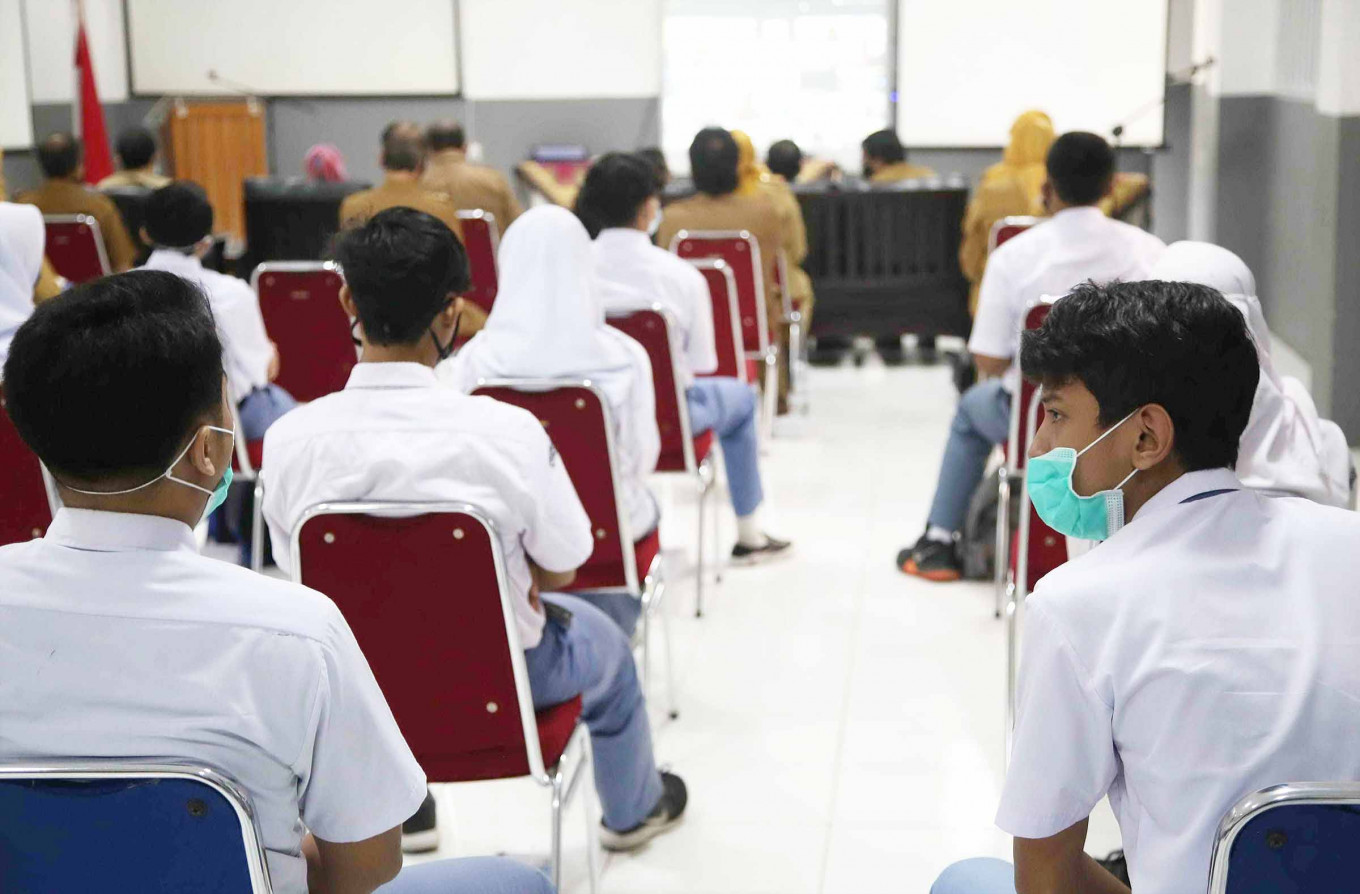
s the new school year began on Monday, millions of students and teachers across the country learned how risky education would be if we maintained the “old normal” in these times.
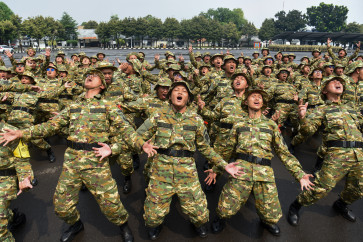
Over 1,300 students of the Army’s Officer Candidate School (Secapa) in Bandung, West Java, and Indonesian Military Police Training Center in neighboring Cimahi, their teaching staff and instructors have tested positive for COVID-19. The soldiers were attending an education and training program conducted face-to-face, reportedly following strict health protocols. They also lived in boarding houses during the program, as had been practiced for many years.
Previously about 300 police officer candidates attending courses to win promotion in Sukabumi, West Java, contracted the virus in April.
Despite the protocols, which Army chief Gen. Andika Perkasa said had been in place since March, the virus transmission was difficult to avoid. One could imagine the SARS-CoV-2 virus, which causes COVID-19, spreading easily from one student to another as they interacted 24 hours a day, even sharing rooms, for weeks, if not months.
As the risk of virus transmission remains high, the Education and Culture Ministry has allowed schools to reopen with face-to-face learning only in areas classified as green zones, or low risk, and with the consent of the regional head and the students’ parents.
A number of regional heads have rightly responded to the ministry’s policy. Due to concerns about the safety of students and school staff, the local administrations of Jakarta, and Tangerang and South Tangerang in Banten, for example, have decided to extend online learning.
With no signs as to when we can beat the pandemic, allowing children to leave home for classes only amounts to exposing them to the virus, even if they follow the protocols – wearing face masks, frequently washing their hands with soap and staying at least 1 meter away from one another. The risks will increase in the case of students with special needs, or those who greatly depend on other people.