The Jakarta Post
Please Update your browser
Your browser is out of date, and may not be compatible with our website. A list of the most popular web browsers can be found below.
Just click on the icons to get to the download page.


Popular Reads
Top Results
No results found. Please check your search term and try again
Can't find what you're looking for?
View all search results
Popular Reads
Top Results
No results found. Please check your search term and try again
Can't find what you're looking for?
View all search resultsWhy we should not prohibit refugees from working
Even though the majority of refugees have lived in Indonesia for more than six years, they are still not fully entitled to basic human rights by the Indonesian government, including access to work.
Change text size
Gift Premium Articles
to Anyone
Share the best of The Jakarta Post with friends, family, or colleagues. As a subscriber, you can gift 3 to 5 articles each month that anyone can read—no subscription needed!
 Set as preferred source
A
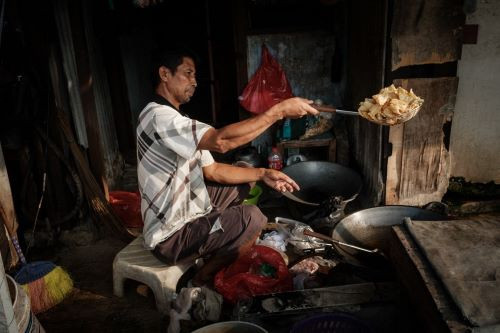
picture of chicken biryani, cooked and sold online by a female refugee living in Pekanbaru, that I shared on my social media account to attract more customers sparked an argument with a colleague at an immigration detention center, the government agency tasked with the control and surveillance of refugees and their activities.
My colleague commented, “Refugees cannot engage in income-generating activities,” and then added, “To my knowledge, there is a regulation that forbids refugees from working.”
Her comments have raised doubts in my mind. While there is a regulation that prohibits employment for refugees in Indonesia, the legitimacy of this regulation is questionable and should be reevaluated.
The economic rights of refugees are protected under the 1951 Refugee Convention of the United Nations High Commissioner for Refugees (UNHCR). Articles 17-19 of the convention stipulate that signatory countries should permit refugees “the right to engage in” wage-earning employment, self-employment, and liberal professions with “as favorable as possible treatment” or treatment “not less favorable than” other noncitizens in the same circumstances.
Since Indonesia is not a signatory to the convention, however, it is under no obligation to follow the stipulations contained in the 1951 convention in overseeing the almost 14,000 refugees and asylum seekers in its territory.
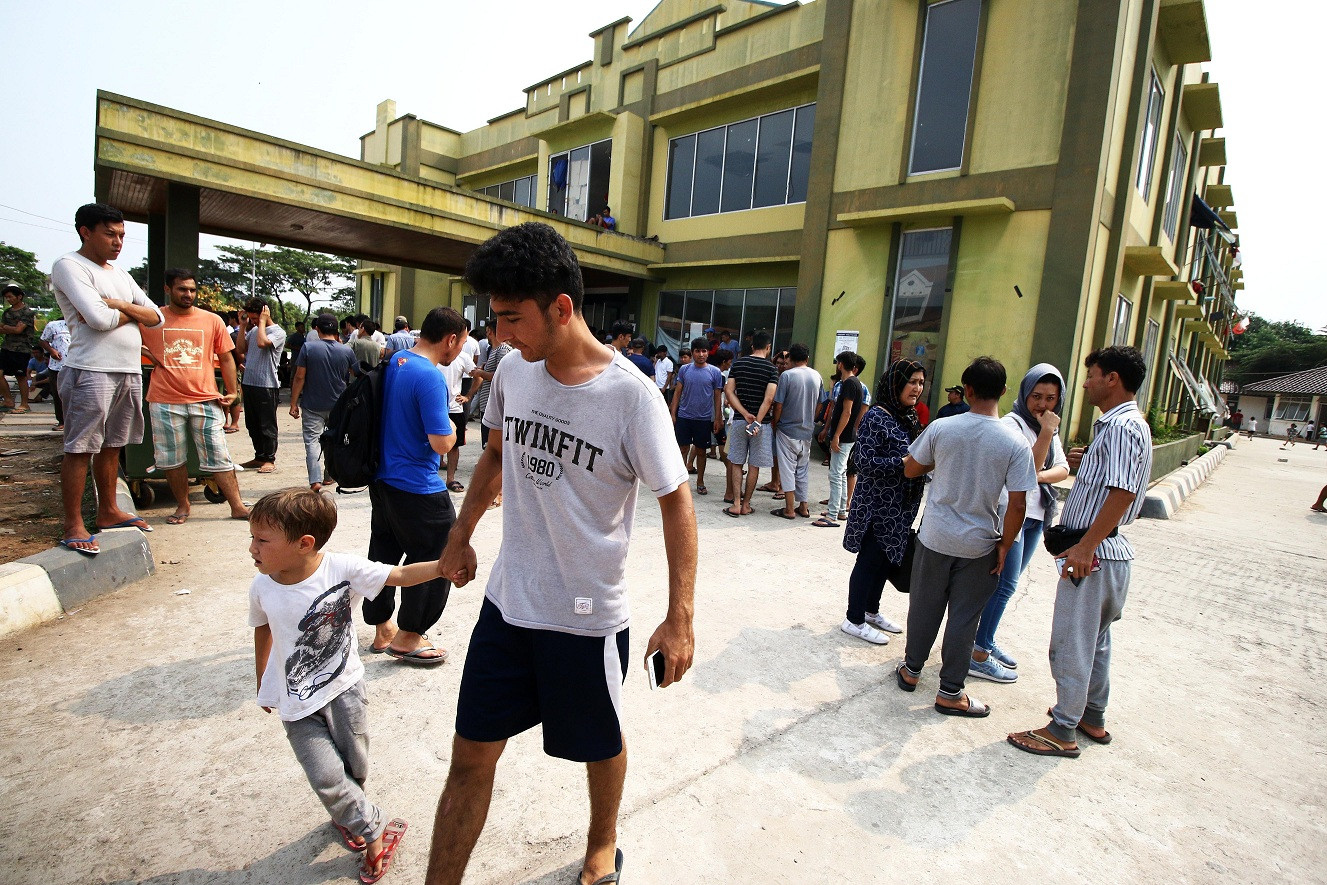
Even though the majority of refugees have lived in Indonesia for more than six years, they are still not fully entitled to basic human rights by the Indonesian government, including access to work.
The prohibition on refugee employment was first stated specifically in Immigration Director-General Regulation No. IMI.1489.UM.08.05/2010 on the handling of illegal migrants. The regulation was subsequently replaced with Immigration Director-General Regulation No. IMI-0352.GR.02.07/2016 on the handling of illegal migrants desiring asylum or refugee status, which was signed April 19, 2016.