The Jakarta Post
Please Update your browser
Your browser is out of date, and may not be compatible with our website. A list of the most popular web browsers can be found below.
Just click on the icons to get to the download page.


Popular Reads
Top Results
No results found. Please check your search term and try again
Can't find what you're looking for?
View all search results
Popular Reads
Top Results
No results found. Please check your search term and try again
Can't find what you're looking for?
View all search resultsPrice gap, limited materials cloud biodiesel push
An aggressive biodiesel push could pile pressure on energy subsidies in the state budget due to fluctuations in palm oil prices and squeeze already limited feedstock supplies that are also crucial for other industries.
Change text size
Gift Premium Articles
to Anyone
Share the best of The Jakarta Post with friends, family, or colleagues. As a subscriber, you can gift 3 to 5 articles each month that anyone can read—no subscription needed!
 Set as preferred source
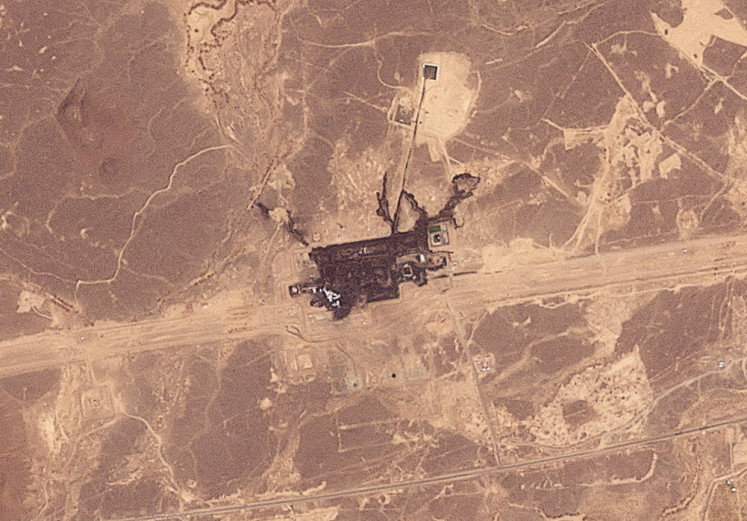
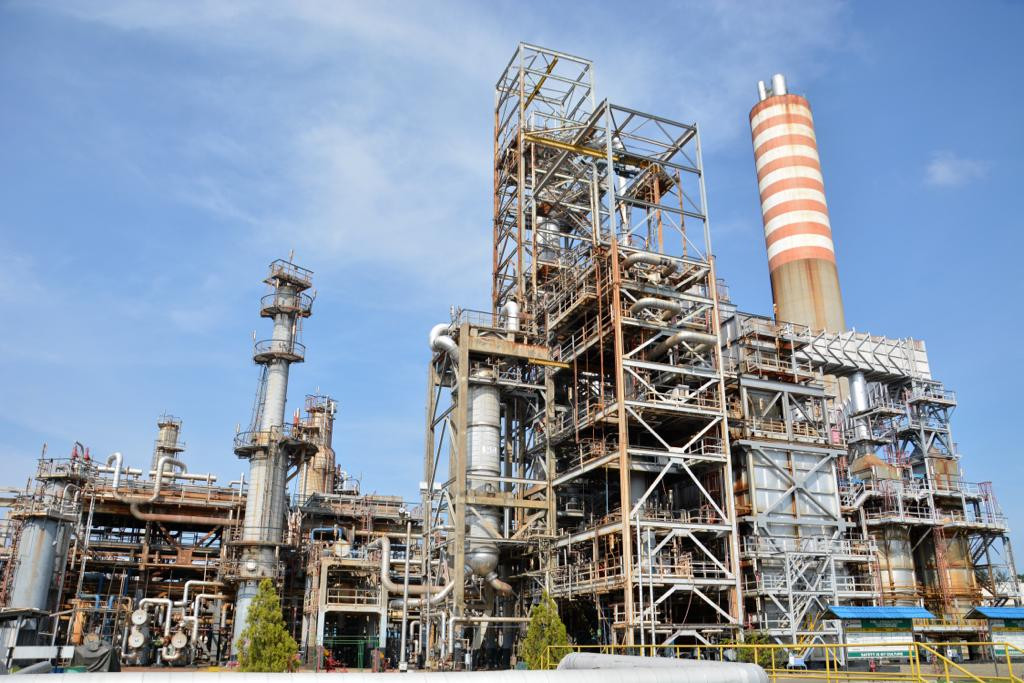 An aerial photograph of the Balikpapan refinery complex, the site of Pertamina’s Refinery Development Master Plan (RDMP) expansion project. (Courtesy of Pertamina)
T
he government is going all in on its drive for diesel self-sufficiency this year by banning imports and doubling down on the biodiesel mandate that blends fossil diesel with palm oil-based fatty acid methyl ester (FAME).
However, experts have warned that the aggressive push could pile pressure on energy subsidies in the state budget due to fluctuations in palm oil prices and squeeze already limited feedstock supplies that are also crucial for other industries.
During the inauguration of a facility upgrade at Pertamina’s refinery in Balikpapan, East Kalimantan, on Monday, Energy and Mineral Resources Minister Bahlil Lahadalia said the increased production from the unit would reduce the need for imported diesel. Combined with the biodiesel mandate, which is set to increase from the current 40 percent (B40) palm oil-based blend to 50 percent (B50) in the second half of this year, the country will no longer import diesel starting this year.
Bhima Yudhistira, executive director of the Center of Economic and Law Studies (Celios), warned that volatile global palm oil prices could increase the cost of biodiesel production. As a result, heavy reliance on biodiesel to replace imported diesel risks shifting, or even increasing, the burden of energy subsidies on the state budget.
As the government implements a fixed retail price for diesel, any rise in biodiesel production costs may either result in higher prices for consumers or higher energy subsidies that the state must pay to cover the gap between production costs and selling prices.
“This could create, or increase, the price burden borne by the state budget or by consumers,” Bhima told The Jakarta Post on Wednesday.

Given that biodiesel is widely used in logistics and freight transportation, any price increase would also raise national logistics costs, he added.