TheJakartaPost
Please Update your browser
Your browser is out of date, and may not be compatible with our website. A list of the most popular web browsers can be found below.
Just click on the icons to get to the download page.


Popular Reads
Top Results
No results found. Please check your search term and try again
Can't find what you're looking for?
View all search results
Popular Reads
Top Results
No results found. Please check your search term and try again
Can't find what you're looking for?
View all search resultsSouth Korea set to finally a get fully functioning Google Maps
The approval was made "on the condition that strict security requirements are met," the Ministry of Land, Infrastructure and Transport said in a statement.
Change text size
Gift Premium Articles
to Anyone
Share the best of The Jakarta Post with friends, family, or colleagues. As a subscriber, you can gift 3 to 5 articles each month that anyone can read—no subscription needed!
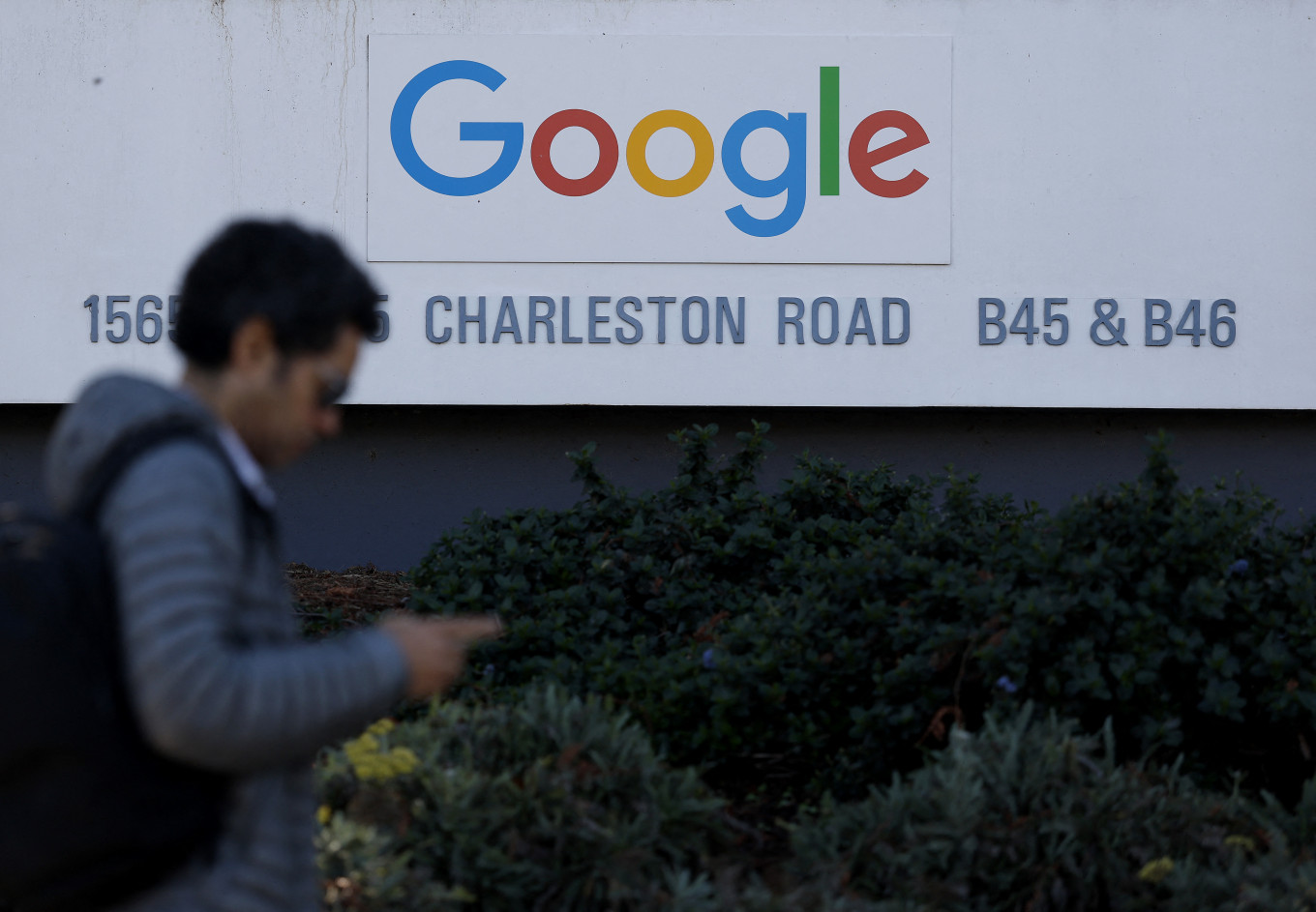 A pedestrian walks by a sign at Google headquarters on Feb. 4, 2026, in Mountain View, California, United States. Google parent company Alphabet reported better-than-expected fourth-quarter results, with revenue rising 18 percent from a year earlier Getty Images/AFP (Photo by JUSTIN SULLIVAN / GETTY IMAGES NORTH AMERICA / Getty Images via AFP) (AFP/Getty Images/Justin Sullivan)
S
outh Korea will soon no longer be one of the few countries where Google Maps doesn't work properly, after its security-conscious government reversed a two-decade stance to approve the export of high-precision map data to overseas servers.
The approval was made "on the condition that strict security requirements are met," the Ministry of Land, Infrastructure and Transport said in a statement.
Those conditions include blurring military and other sensitive security-related facilities, as well as restricting longitude and latitude coordinates for South Korean territory on products such as Google Maps and Google Earth, it said.
The decision is expected to hurt Naver and Kakao - local internet giants which currently dominate the country's market for digital map services. But it will appease Washington, which has urged Seoul to tackle what it says is discrimination against US tech companies.
"We welcome today's decision and look forward to our ongoing collaboration with local officials to bring a fully functioning Google Maps to Korea," Google Vice President Cris Turner said in a statement.
South Korea, still technically at war with North Korea, had shot down Google's previous bids in 2007 and 2016 to be allowed to export the data, citing the risks that information about sensitive military and security facilities could be exposed.

Google Maps was not banned per se in South Korea and other countries have gone further. It is prohibited in mainland China, North Korea, Syria and Vietnam for example.
The data in question is 1:5000 scale data, where 1 centimetre on a map represents 50 metres in actual distance. Google has argued it needs to export the data to provide real-time navigation information worldwide. This includes people researching South Korean destinations from overseas.
The conditions stipulate that Google must process map data on locally based servers and is only allowed to export data related to navigation and direction services that have been pre-approved by the government.
The South Korean government also reserves the right to request revisions to maps, and Google must set up a security incident prevention framework to respond to emergency issues.
Choi Jin-mu, a geography professor at Kyung Hee University, said the decision raised serious questions about market control and national security.
"Google can now come in, slash usage fees, and take the market. If Naver and Kakao are weakened or pushed out and Google later raises prices, that becomes a monopoly. Then, even companies that rely on map services — logistics firms, for example — become dependent, and in the long run, even government GIS (geographic information) systems could end up dependent on Google or Apple. That's the biggest concern."
Naver's stock ended 2.3 percent down after the decision on Friday, though Kakao gained 1.5 percent.
AMCHAM Chairman James Kim welcomed the decision, saying it "sends a positive signal about Korea's commitment to innovation, open markets, and ensuring a level playing field for global companies operating in Korea."