The Jakarta Post
Please Update your browser
Your browser is out of date, and may not be compatible with our website. A list of the most popular web browsers can be found below.
Just click on the icons to get to the download page.


Popular Reads
Top Results
No results found. Please check your search term and try again
Can't find what you're looking for?
View all search results
Popular Reads
Top Results
No results found. Please check your search term and try again
Can't find what you're looking for?
View all search resultsPhilips reaffirms commitment to expand equitable access to quality healthcare in Indonesia
Change text size
Gift Premium Articles
to Anyone
Share the best of The Jakarta Post with friends, family, or colleagues. As a subscriber, you can gift 3 to 5 articles each month that anyone can read—no subscription needed!
 Set as preferred source
 (Courtesy of Philips Healthcare)
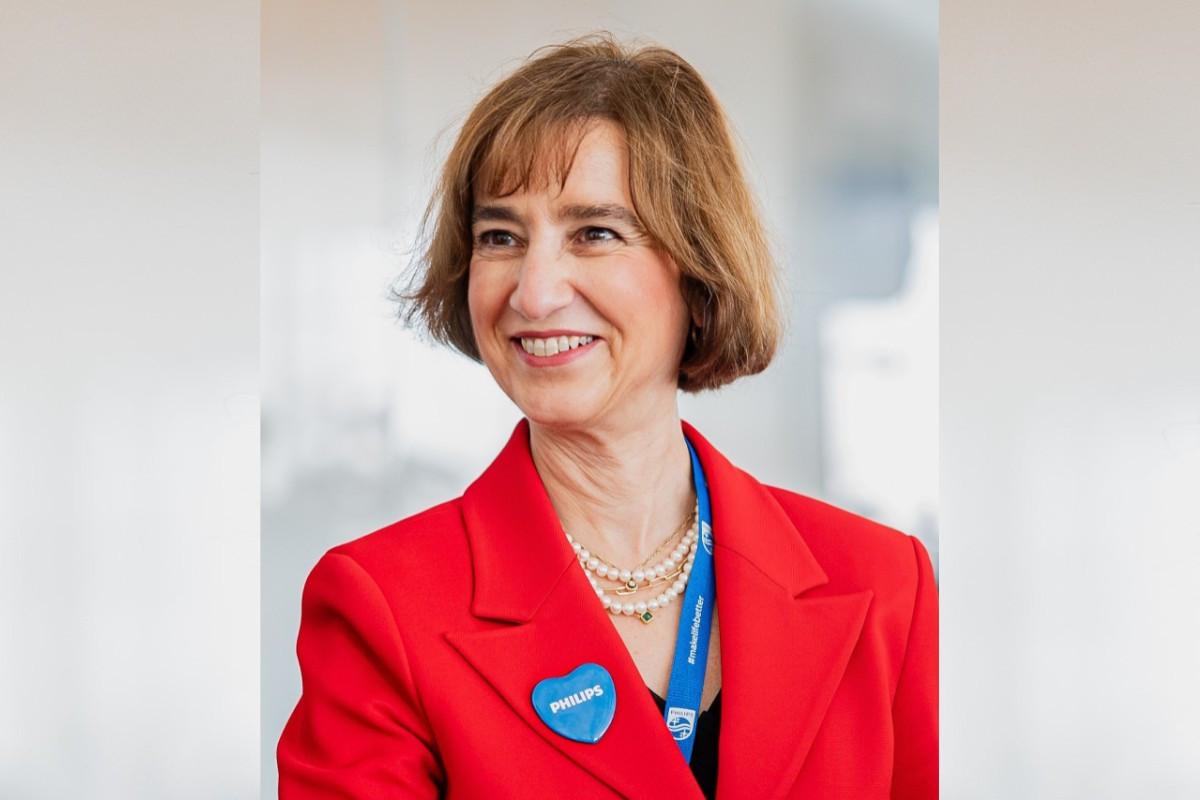
Özlem Fidanci, chief of Philips International Region and member of the Royal Philips Executive Committee, spoke to The Jakarta Post during her visit to Jakarta about Philips’ initiatives and healthcare technology innovations, underscoring the company’s longstanding commitment to expanding equitable access to quality health care in Indonesia.
Questions: Where do you see the biggest opportunities to improve health care in Indonesia and why is this a priority for Philips?
Answer: It’s really wonderful for me to be back in Indonesia and to connect with the fantastic Philips team we have here, as well as to speak directly with our customers and healthcare providers across the country. Indonesia, with more than 280 million people across 17,000 islands, has made remarkable progress, particularly in achieving around 98 percent universal health coverage and advancing national health screening initiatives. Strong government leadership has provided a solid foundation for continued transformation.
From my perspective, the greatest opportunity now lies in improving equitable access and quality of care by strengthening infrastructure, referral networks, workforce capabilities and digital health integration. Early diagnosis and data-driven, AI-supported care are essential to address the growing burden of non-communicable diseases such as heart disease, stroke and cancer, which could otherwise place significant economic pressure on the country.
For us at Philips, this is a priority because it aligns directly with our mission to expand access to quality care. Through integrated solutions, from early diagnosis and image-guided therapy to patient monitoring, supported by our interoperable platforms, we help connect care across hospitals and communities. And we work with both public and private partners to deliver measurable outcomes.
How does Philips respond to ongoing gaps in access, diagnosis and quality of care across Indonesia?

What I’ve observed through our work in the country is that Indonesia has made strong progress in expanding healthcare infrastructure, yet gaps remain in equitable access, timely diagnosis and consistent quality of care, particularly in remote and underserved regions.
We’re working to address these challenges by focusing on high-impact care areas, platform-based innovation and long-term collaboration aligned with Indonesia’s national priorities. Our partnership with the Health Ministry through the Strengthening Indonesia’s Healthcare Referral Network (SIHREN) initiative is a perfect example. Through this program, we are strengthening referral-level care and expanding advanced image-guided therapy capabilities across hundreds of hospitals in all 38 provinces, particularly in cardiovascular and interventional care.
This enables broader access to minimally invasive treatment for cardiac disease, stroke and cancer, reducing recovery time, hospital stays and clinical risk. And by bringing advanced capabilities closer to patients’ home provinces, we are helping to reduce the need for travel to major urban centers.
In our experience, technology is not enough. Beyond deployment, we emphasize disciplined execution through clinical training, capacity building, long-term service agreements, remote performance monitoring and strong quality and compliance standards.
We are also strengthening local partnerships to support “local-for-local” production. Together with PT PHC Indonesia and PT Graha Teknomedika, we are exploring local manufacturing of ultrasound and patient monitoring systems tailored to Indonesia’s needs.
How does Philips build trusted partnerships with national and local stakeholders to turn innovation and national initiatives into real improvements in access to care?
I really strongly believe that no single organization can transform health care alone. That’s why we position ourselves not just as a technology provider, but as a long-term strategic partner working with national and local stakeholders to build sustainable healthcare ecosystems.
Of course, all partnerships start with alignment. We collaborate closely with the Health Ministry, hospital systems and clinical communities to ensure our innovations support Indonesia’s health transformation priorities.
And trust is built and reinforced through execution and outcomes. Our three-year plan focuses on strong implementation, ensuring technology adoption leads to improved clinical confidence, operational efficiency and better patient outcomes.
A good example is our collaboration in RSUD Kabupaten Kediri through the SIHREN initiative, where we helped establish an international-standard interventional therapy unit for minimally invasive cardiac, stroke and oncology procedures. The facility became operational within weeks, bringing advanced care closer to the community.
Beyond infrastructure, our partnership model includes clinical training, workflow optimization, digital integration, performance monitoring and long-term service support. We want to help Indonesia move toward integrated, connected care that improves access, outcomes and system resilience.
Could you share how Philips’ innovations give time back to care for healthcare professionals?
Our mission as a company is to improve 2.5 billion lives by 2030. That of course includes expanding access to care and improving outcomes in Indonesia: bringing better care to more people.
Our AI-powered technologies reduce administration and scan times, allowing clinicians to focus more time on patients. For example, in cardiovascular ultrasound, AI-driven automation enables faster analysis, more reproducible exams and earlier, more confident diagnoses. New generation portable ultrasound systems can reduce scan time by up to 50 percent.
In magnetic resonance imaging (MRI), AI accelerates imaging by up to three times while delivering up to 80 percent sharper images. This improves diagnostic accuracy and reduces waiting times and backlogs. Helium-free magnets in MRI also reduce environmental impact and protect finite resources, strengthening health system sustainability and long-term resilience.
AI also helps address the global shortage of radiologists and specialists by improving efficiency, accelerating diagnosis and treatment, and enabling hospitals to serve more patients with existing resources.
Philips’ Future Health Index for Indonesia last year showed that 62 percent of healthcare professionals lose clinical time due to fragmented or inaccessible data. We create a complete, real-time view of the patient, enabling faster and more confident decision-making by integrating data from various systems and devices.
So, by integrating AI into imaging, monitoring and interventional systems, we can really help healthcare professionals save time, improve quality, reduce costs and ultimately dedicate more of their time to patient care.
How does Philips’ long-standing presence, commitment and vision support access to care and health system strengthening in Indonesia?
Philips’ strategy in Indonesia is built on a foundation of us being here for more than 120 years! With that history, we’ve established deep local capabilities, employ more than 3,900 people and operate a manufacturing facility in Batam. And through long-term partnerships and expanded localization efforts, we are helping to strengthen the resilience and sustainability of Indonesia’s healthcare system.
We work closely with leading institutions such as RS Jantung dan Pembuluh Darah Harapan Kita, Siloam Hospitals and Mandaya Royal Hospital Puri to advance clinical capabilities through integrated platforms that improve care and patient outcomes.
We also invest in education and clinical capacity building through training programs, webinars, and workshops that reach thousands of healthcare professionals. In close partnership with the Health Ministry and private healthcare groups, we are absolutely committed to supporting the long-term strength of Indonesia’s health system.
And this is what we will continue to focus on going forward: combining our global innovation with deep local collaboration, and delivering better care for more people, together.