TheJakartaPost
Please Update your browser
Your browser is out of date, and may not be compatible with our website. A list of the most popular web browsers can be found below.
Just click on the icons to get to the download page.


Popular Reads
Top Results
No results found. Please check your search term and try again
Can't find what you're looking for?
View all search results
Popular Reads
Top Results
No results found. Please check your search term and try again
Can't find what you're looking for?
View all search resultsTempeh’s journey, from Javanese kitchens to UNESCO heritage desk
Long a staple from street stalls to presidential plates, Indonesia’s fermented soybean cake is now backed by science and cultural history as it seeks UNESCO recognition and wider inclusion on global menus.
Change text size
Gift Premium Articles
to Anyone
Share the best of The Jakarta Post with friends, family, or colleagues. As a subscriber, you can gift 3 to 5 articles each month that anyone can read—no subscription needed!
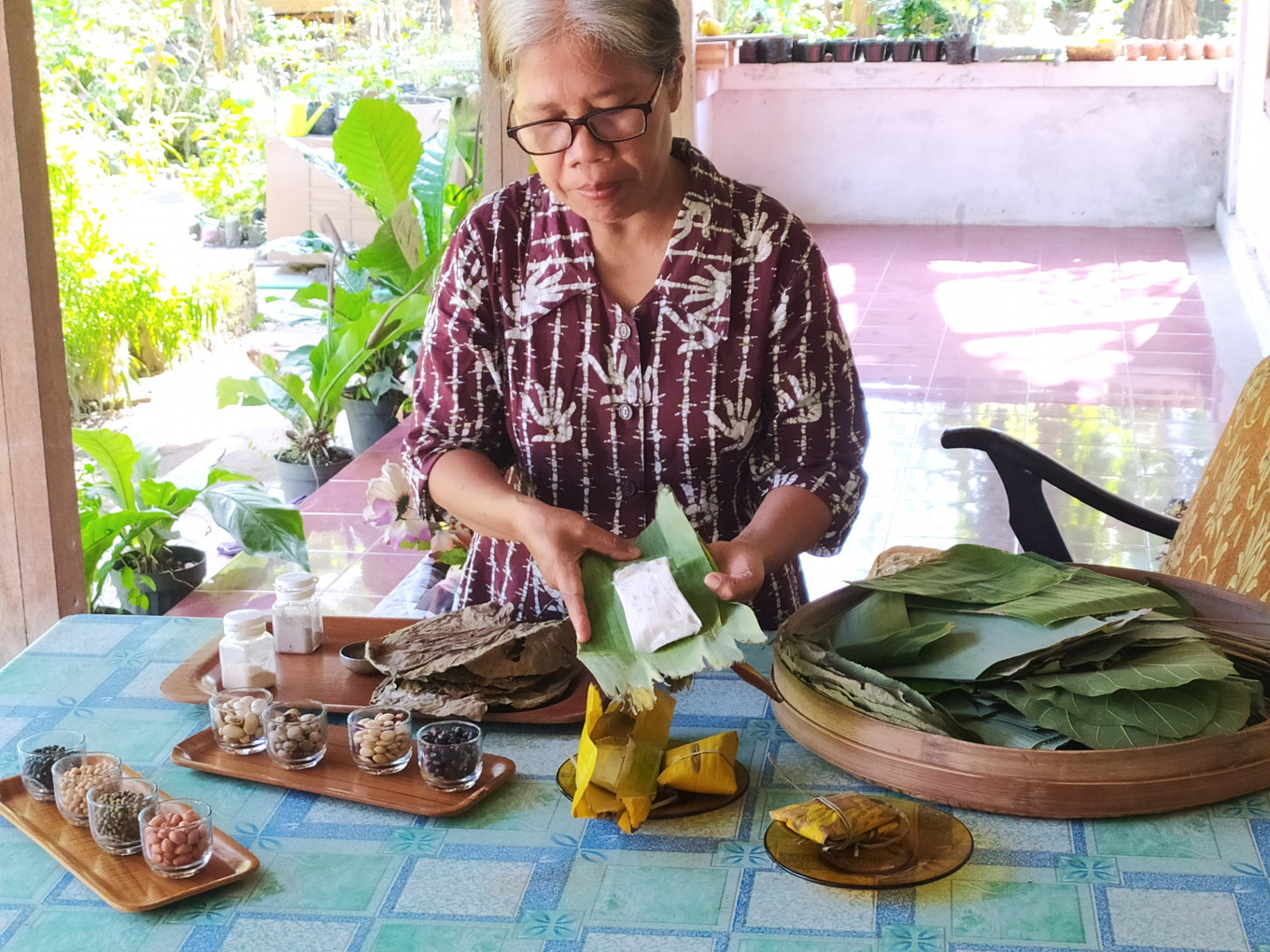 Traditional tempeh-making is an eco-friendly process, using natural starters from plant-based wraps to ferment soybeans before molding them into shape, as seen in this 2021 file photo. (Courtesy of Pergizi Pangan/-)
T
raditionally wrapped in banana leaves, tempeh, the fermented soybean cake that has long been a nutrient-rich staple in Indonesia, is awaiting confirmation of its inclusion on the Intangible Cultural Heritage list of the United Nations Educational, Scientific and Cultural Organization.
The most ubiquitous version is coated in batter, swirled in bubbling hot oil until it reaches a perfect golden brown, ready to be sold by street vendors in many different parts of the country.
Beyond street stalls, tempeh is also served at fine dining restaurants in a variety of dishes, including tempe orek, stir-fried with a sweet-savory crunch, and tempe bacem, braised in palm sugar.

Tempeh has been a part of everyday cooking across the archipelago for centuries, and it was included in the Revolution Menu program that first president Sukarno launched in 1964.
At least 30 tempeh recipes are included in Mustika Rasa (Gems of taste), a national cookbook compiled as an initiative of the Sukarno administration.
According to the Presidential Archives, tempeh is a favorite among all leaders. Sukarno is said to have preferred tempe bacem (stewed with spices), while former president Joko “Widodo” Widodo enjoys tempe orek (stir-fried with chili)
The food was also popular with second president Soeharto. His aide, Lt. Col. (ret) I Gusti Nyoman Suweden, once recalled that the “smiling general” liked tempeh cooked in coconut milk.



More from The Weekender

Success isn’t at the top of the corporate ladder anymore
My generation watched our parents give everything to a company. We decided to give it to ourselves instead. But it's more complicated than that.

Our second Instagram account is the real one
In an act of rebellion against overexposure and performative social media, Gen Z are turning to smaller, controlled spaces on social media where they can be their authentic selves.

What women want, and the gap men are still trying to close
While millennial and Gen Z women were raised to chase careers, the same generation of men were not taught to do chores or be vulnerable. How can men step up?