The Jakarta Post
Please Update your browser
Your browser is out of date, and may not be compatible with our website. A list of the most popular web browsers can be found below.
Just click on the icons to get to the download page.


Popular Reads
Top Results
No results found. Please check your search term and try again
Can't find what you're looking for?
View all search results
Popular Reads
Top Results
No results found. Please check your search term and try again
Can't find what you're looking for?
View all search resultsRamadan free meals draw ire over cost, safety
The government’s decision to continue its free meals program during the upcoming fasting month of Ramadan has drawn mounting criticism over unnecessary state spending and unresolved food safety risks, as reports of poisoning continue to surface nationwide.
Change text size
Gift Premium Articles
to Anyone
Share the best of The Jakarta Post with friends, family, or colleagues. As a subscriber, you can gift 3 to 5 articles each month that anyone can read—no subscription needed!
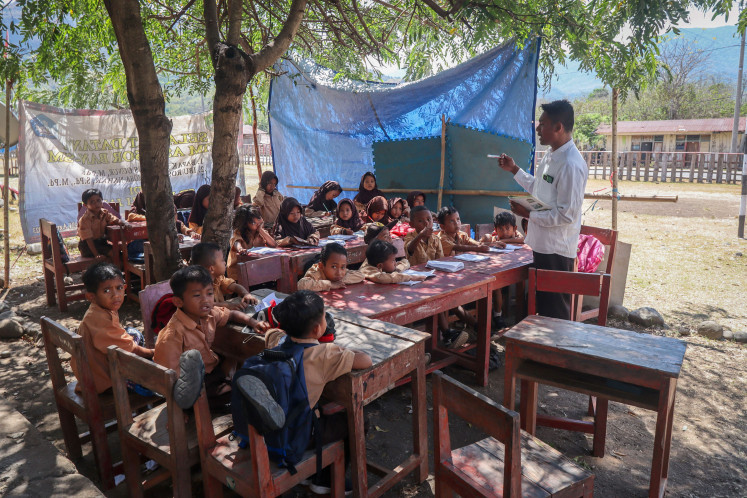
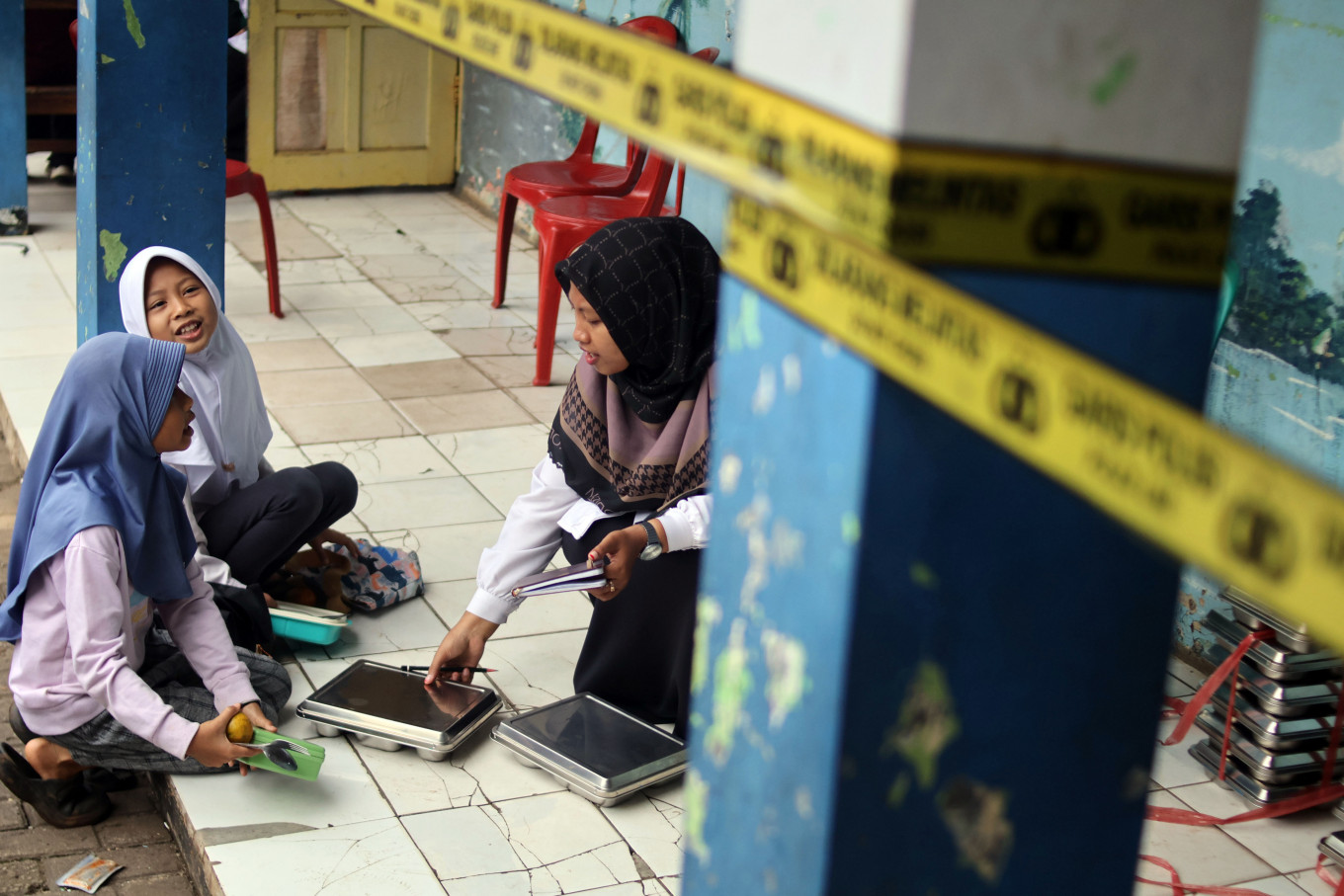 A teacher distributes free meals to students while schools remain closed following a building collapse at Madrasah Ibtidaiyah Miftahul Falah in Gunungputri, Bogor regency, West Java, on Feb. 2, 2026. The government has confirmed that the program will continue during Ramadan, with menus and distribution times adjusted for students observing the fast. (Antara/Yulius Satria Wijaya)
T
he government’s decision to continue its free nutritious meal program during the upcoming fasting month of Ramadan has drawn criticism over unnecessary state spending and unresolved food safety risks, as reports of poisoning continue to surface nationwide.
Although many students in predominantly Muslim Indonesia will be fasting during the day, the government plans to press ahead with the flagship initiative of President Prabowo Subianto. The National Nutrition Agency (BGN), which oversees the program, said it would adjust menus and delivery mechanisms.
Muslims, who make up around 80 percent of Indonesia’s 280 million population, are required to fast from dawn to dusk for a full month, with this year’s Ramadan beginning next week.
BGN head Dadan Hindayana said previously that schools with predominantly Muslim students would receive food items with longer shelf lives to allow for consumption after sunset, while the program would remain unchanged at schools where most students are not fasting.
The move has been met with sharp criticism, including from education watchdog Network for Education Watch Indonesia (JPPI), which urged the government to redirect the budget toward more urgent educational needs.
Read also: Education fund allocation for free meal faces legal challenge

JPPI national coordinator Ubaid Matraji estimated that the country could save up to Rp 30 trillion (US$1.78 billion) by suspending the free meals for one month.