The Jakarta Post
Please Update your browser
Your browser is out of date, and may not be compatible with our website. A list of the most popular web browsers can be found below.
Just click on the icons to get to the download page.


Popular Reads
Top Results
No results found. Please check your search term and try again
Can't find what you're looking for?
View all search results
Popular Reads
Top Results
No results found. Please check your search term and try again
Can't find what you're looking for?
View all search resultsWrong turn with Indian cars
By prioritizing imports over domestic procurement, Agrinas runs counter to the government’s pledge to strengthen domestic industry.
Change text size
Gift Premium Articles
to Anyone
Share the best of The Jakarta Post with friends, family, or colleagues. As a subscriber, you can gift 3 to 5 articles each month that anyone can read—no subscription needed!
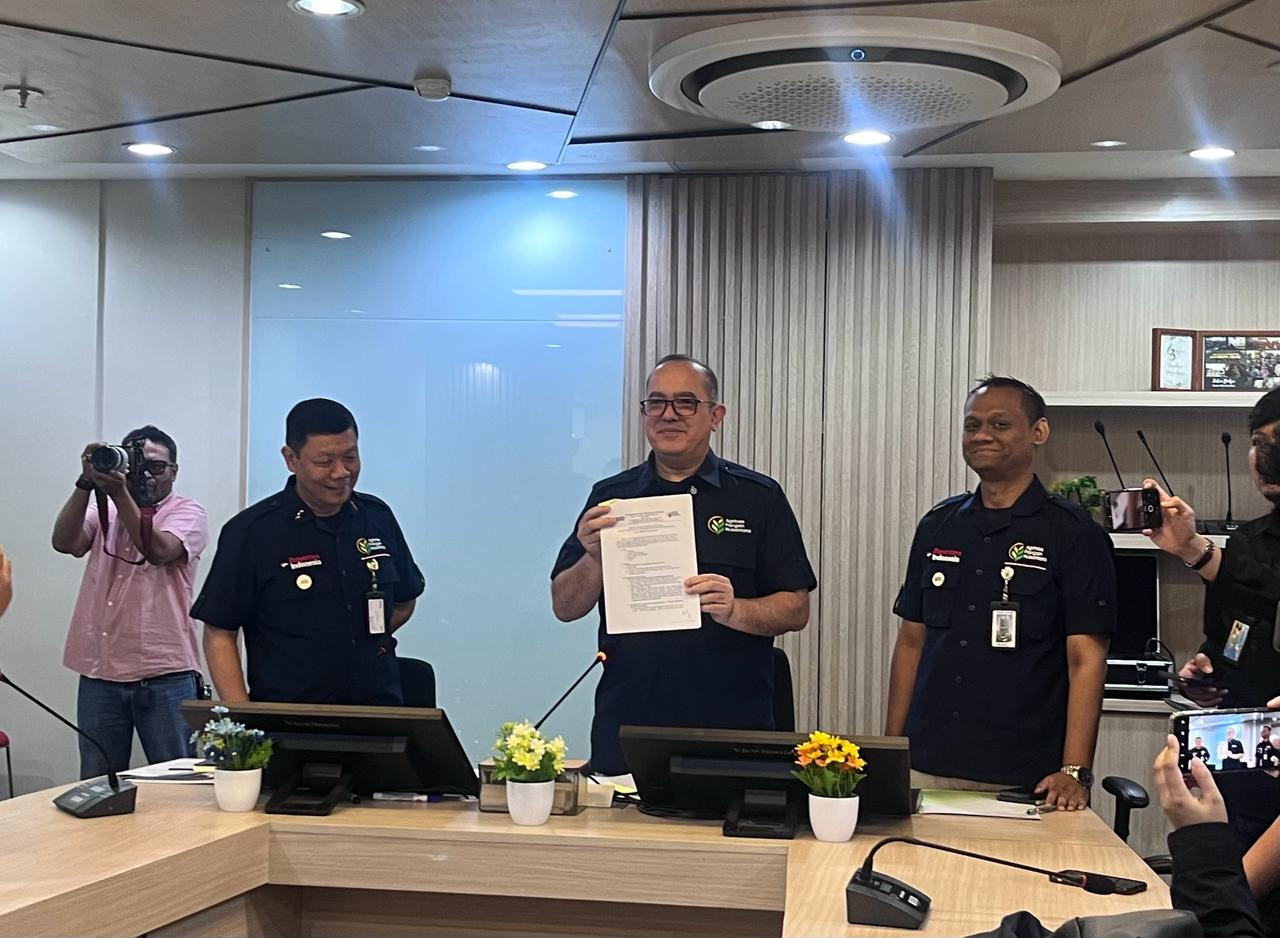 State-owned agriculture firm PT Agrinas Pangan Nusantara president director Joao Angelo De Sousa (center) poses for a picture while showing a document related to the decision to import 105,000 vehicles from Indian firms Tata Motors and Mahindra in a press conference on Feb. 24 (The Jakarta Post/Ni Made Tasyarani)
T
he decision of state-owned agriculture company Agrinas Pangan Nusantara to import 105,000 pickups and trucks from Indian carmakers Tata and Mahindra for the Red and White Cooperatives (KDMP) program is a test of Indonesia’s industrial policy and faith in its own self-sufficiency agenda.
Pressure is mounting from various stakeholders, including local manufacturers and labor groups, for the government to cancel the imports and prioritize locally made vehicles instead. House of Representatives Deputy Speaker Sufmi Dasco Ahmad has even called on the government to delay the plan until President Prabowo Subianto’s return from his overseas trip.
Agrinas president director Joao Angelo De Sousa Mota said he would comply with the government’s decision following the outcry.
The company, however, argues that importing vehicles from India would allow it to save the state budget Rp 43 trillion (US$2.57 billion) because the total cost is lower than the price tag offered by domestic producers. The Indian manufacturers have also agreed to deliver the fleets within a short timeframe, which local competitors cannot fulfill according to Agrinas.
This reasoning might be easier to justify if Indonesia did not have adequate automotive manufacturing capabilities.
In fact, Japanese companies have established a complete automotive supply chain in the country since the creation of a joint venture between Toyota and local conglomerate Astra International in 1971. The move was later followed by other major Japanese carmakers, as well as South Korean and, more recently, Chinese manufacturers.

These companies not only serve the domestic market; exports hit a record-breaking 518,212 units last year, up by 9.75 percent compared with the previous year.