TheJakartaPost
Please Update your browser
Your browser is out of date, and may not be compatible with our website. A list of the most popular web browsers can be found below.
Just click on the icons to get to the download page.


Popular Reads
Top Results
No results found. Please check your search term and try again
Can't find what you're looking for?
View all search results
Popular Reads
Top Results
No results found. Please check your search term and try again
Can't find what you're looking for?
View all search resultsMore than just a pig problem
In a city where diversity is the lifeblood of the streets, a mayor’s attempt to ban the pork trade has sparked more than a protest—it has exposed a dangerous drift toward discrimination under the guise of public order.
Change text size
Gift Premium Articles
to Anyone
Share the best of The Jakarta Post with friends, family, or colleagues. As a subscriber, you can gift 3 to 5 articles each month that anyone can read—no subscription needed!
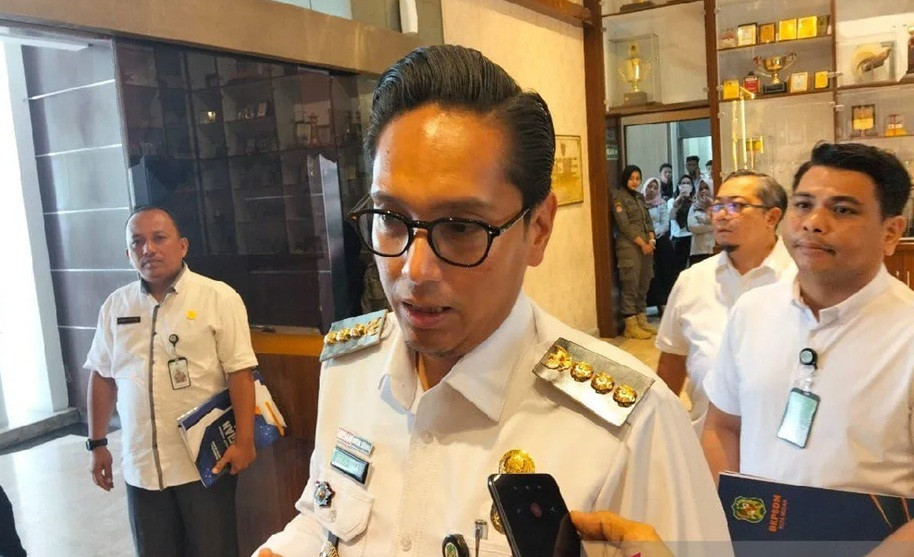 Medan Mayor Rico Tri Putra Waas speaks to the press in a door-stop interview at his office on July 28, 2025. (Antara/Anggi Luthfi Panggabean)
T
here’s a term for it, "cari gara-gara" (looking for trouble), and that was the conclusion of many non-Muslims in Medan when Mayor Rico Waas suddenly decided to halt the decades-long traditional pork trade in the capital of Indonesia’s third-most populous province. In doing so, he ended up demeaning his office and was forced to retract his own decision following an intense public outcry.
The mayor’s stated goal was ostensibly noble: to create a more "pleasant" living environment for Medan's diverse residents. However, this seemingly good intention became counterproductive due to a total failure to secure public support.
On Feb. 26, thousands of protesters gathered in front of the mayor’s office. Left with little choice, he withdrew his circular letter and assured the traders that business could continue as usual, a significant political embarrassment for the NasDem Party politician.
Protesters argued that Mayor Rico should prioritize fundamental urban crises, flooding, traffic congestion and systemic corruption, rather than regulating non-halal meat, which has never been a point of contention in the city. They also refuted allegations that selling pork in public spaces was unhygienic, noting that the meat passes official inspections and is processed in government-appointed slaughterhouses.
This unnecessary uproar should serve as a cautionary tale for public officials nationwide. Indonesia is the world’s most populous Muslim-majority nation, but it is not an Islamic state. It officially recognizes six religions: Islam, Catholicism, Protestantism, Hinduism, Buddhism and Confucianism.
The rookie mayor may have calculated, perhaps erroneously, that the ban was a quick fix for his declining popularity. As residents grew increasingly impatient with the slow progress on infrastructure and corruption, a ban on non-halal meat earned him immediate, if narrow, support from a few radical groups. His greatest blunder, however, was his failure to consult with the public.

It would have been much easier for the public to accept his policy had he proven his genuine intention to build the city as a better place for all and ensure everybody would feel the fruits of his development programs.