TheJakartaPost
Please Update your browser
Your browser is out of date, and may not be compatible with our website. A list of the most popular web browsers can be found below.
Just click on the icons to get to the download page.


Popular Reads
Top Results
No results found. Please check your search term and try again
Can't find what you're looking for?
View all search results
Popular Reads
Top Results
No results found. Please check your search term and try again
Can't find what you're looking for?
View all search resultsThe trillion-rupiah slumber: Why is public money sleeping in banks?
Hundreds of trillions of rupiah meant to build infrastructure, create jobs and stimulate local economies are simply gathering dust in bank vaults.
Change text size
Gift Premium Articles
to Anyone
Share the best of The Jakarta Post with friends, family, or colleagues. As a subscriber, you can gift 3 to 5 articles each month that anyone can read—no subscription needed!
 Set as preferred source
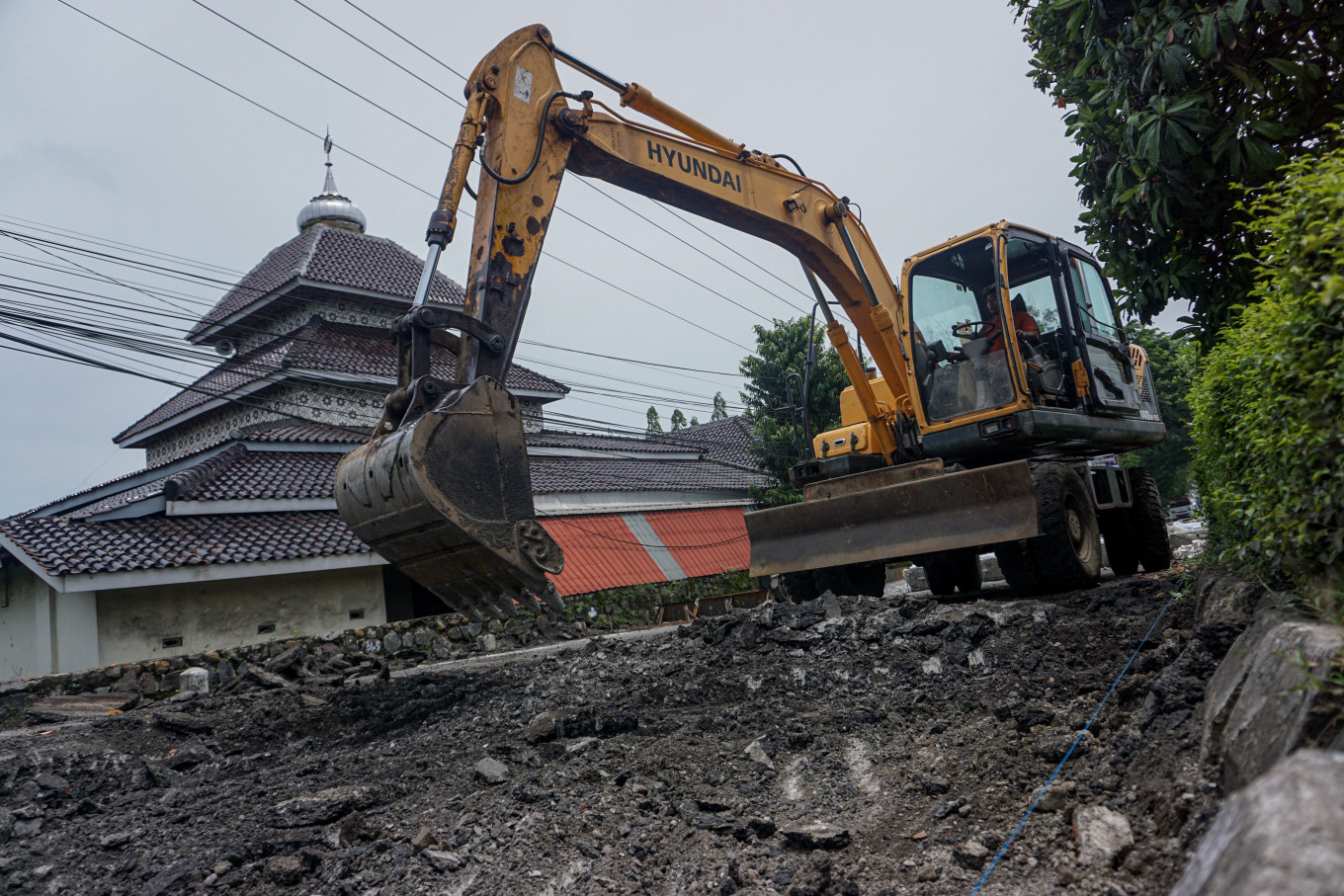 Workers operate heavy equipment on Feb. 2 to remove damaged asphalt for repairs on a section of the Java Northern Highway in Pekalongan, Central Java. (Antara/Harviyan Perdana Putra)
I
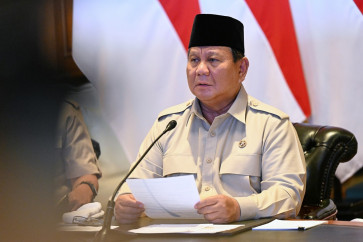
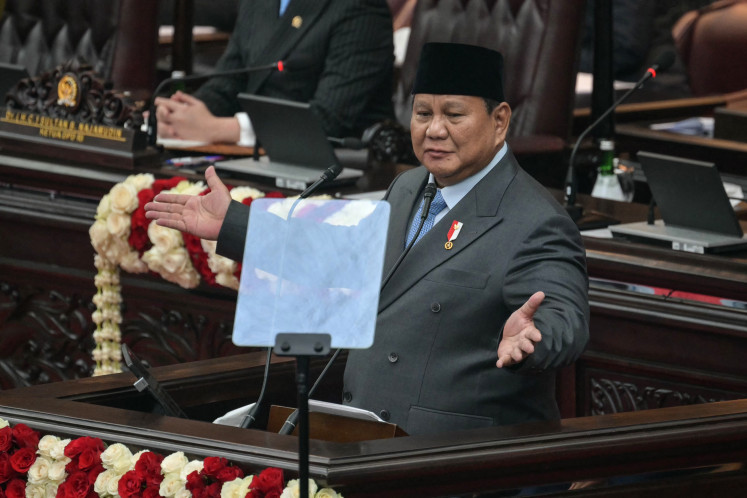
n late November 2025, President Prabowo Subianto delivered a sharp public rebuke, demanding to know why approximately Rp 203 trillion belonging to provinces, regencies and cities remained unspent and stubbornly stuck in bank accounts.
His frustration struck at the heart of a staggering fiscal paradox. According to Bank Indonesia, these "parked" regional funds had peaked at an eye-watering Rp 233.9 trillion just two months earlier. Although the Finance Ministry noted a slight dip to Rp 218 trillion as year-end spending finally kicked in, one glaring truth remains: hundreds of trillions of rupiah meant to build infrastructure, create jobs and stimulate local economies are instead simply gathering dust in bank vaults.
This irony is striking. As President Prabowo firmly emphasized in his pursuit of 8 percent national growth, Indonesia cannot dream of a high-income economy if hundreds of trillions of the people's money are left sleeping in bank vaults. He has made it clear that every single rupiah must work hard and be spent productively for the people. But how can the national economy sprint forward if the local engines are stalled?
To fix the problem, we first have to understand why so much money is trapped. Local officials often point to administrative headaches, like adjusting to new digital purchasing systems or waiting on technical guidelines from Jakarta. But the reality on the ground reveals a deeper, more chaotic trap of paperwork, politics and systemic bad habits.
The year 2025 provided the clearest example. Between February and March, 545 new regional heads (governors, mayors and regents) took office. During this transition, acting leaders did not have the authority to make strategic decisions. Infrastructure projects were halted, and public money simply waited in the bank.
Even after the new leaders were sworn in, they naturally wanted to change the local budgets to match their own political promises. This process dragged on for months, leaving local economies starving for government projects.

Furthermore, instead of a smooth flow of money, local governments juggle dozens of disconnected bank accounts. Central funds arrive from Jakarta quickly, but they immediately hit a wall of systemic fragmentation. The primary IT infrastructures governing these funds — the Home Ministry’s Regional Government Information System (SIPD) and the Finance Ministry’s State Budget and Treasury System (SPAN) — do not seamlessly "talk" to each other.