TheJakartaPost
Please Update your browser
Your browser is out of date, and may not be compatible with our website. A list of the most popular web browsers can be found below.
Just click on the icons to get to the download page.


Popular Reads
Top Results
No results found. Please check your search term and try again
Can't find what you're looking for?
View all search results
Popular Reads
Top Results
No results found. Please check your search term and try again
Can't find what you're looking for?
View all search resultsTrust as the new currency of Indonesia’s e-commerce
Indonesia's e-commerce industry in 2026 is entering a more mature phase, shifting from low-trust, price-driven marketplaces toward authenticity-led “mall” environments anchored by authorized sellers.
Change text size
Gift Premium Articles
to Anyone
Share the best of The Jakarta Post with friends, family, or colleagues. As a subscriber, you can gift 3 to 5 articles each month that anyone can read—no subscription needed!
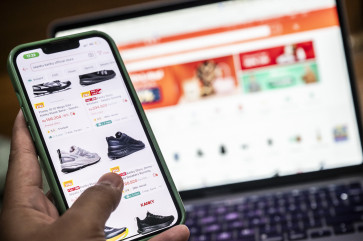
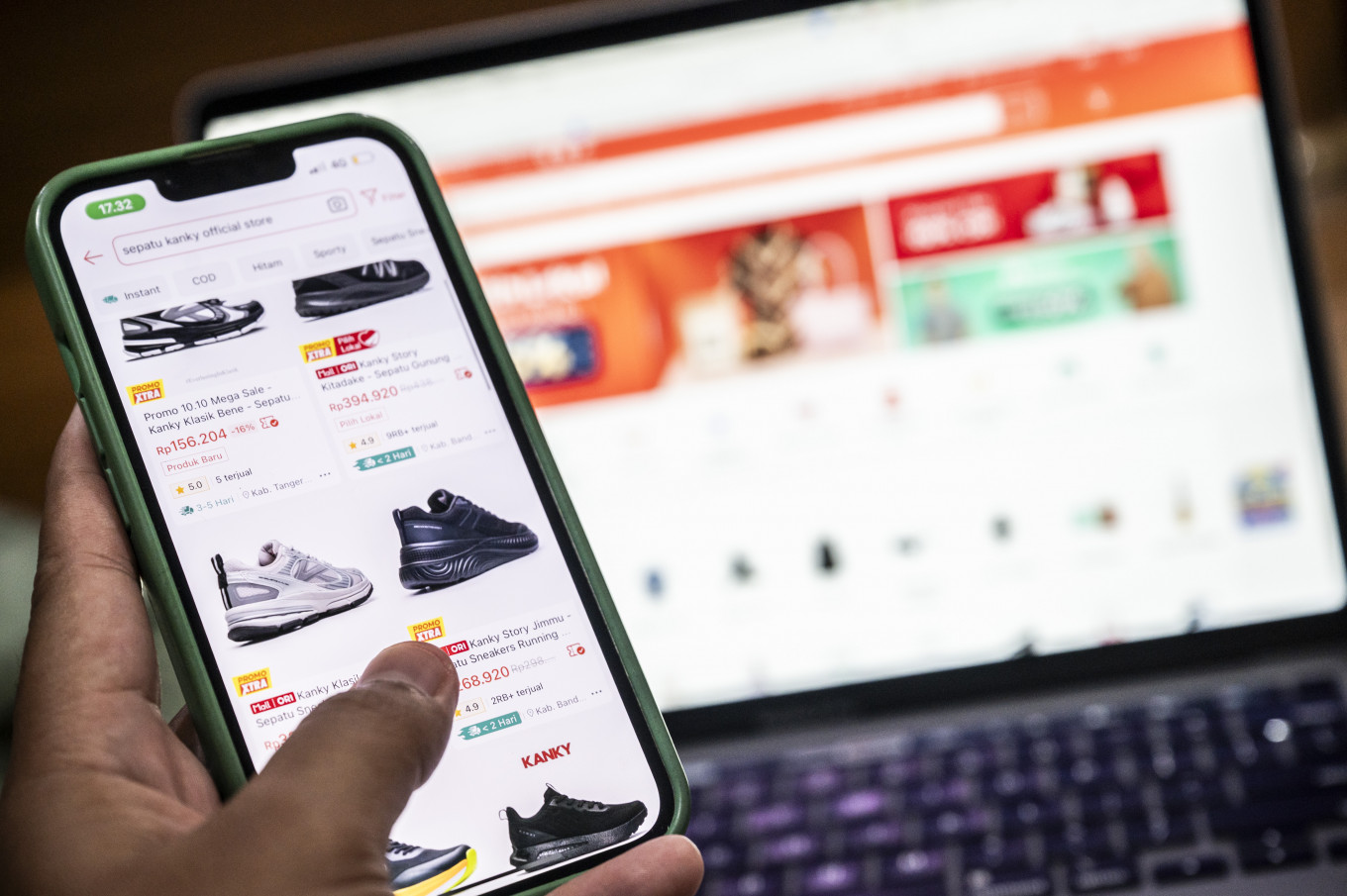 A phone user shops online on Oct. 13, 2025, for shoes in Semarang, Central Java. (Antara/Aprillio Akbar)
I
ndonesia's e-commerce industry in 2026 is entering a more mature phase, shifting from low-trust, price-driven marketplaces toward authenticity-led “mall” environments anchored by authorized sellers. What was once fueled by aggressive promotions and the pursuit of the lowest price is now increasingly defined by trust in product quality, seller credibility, service standards and the overall shopping experience.
A 2025 Cube Asia study, The Rise of Authenticity-Driven E-Commerce in Southeast Asia underscores this structural transformation. Over the past decade, the center of gravity in e-commerce has moved decisively toward high-trust, authorized mall ecosystems.
Nearly 90 percent of online shoppers in Southeast Asia are now active in mall environments, with Indonesia closely aligned at around 80 percent. The transition is driven by younger and increasingly middle-class consumers who aspire to purchase better-quality products and therefore, place greater emphasis on authenticity and trust when shopping online.
The figures above reflect a broader recalibration of consumer priorities toward reliability and assurance. Price still matters, but it no longer stands alone. Today’s shoppers place greater weight on authenticity and quality, seeking confidence that their purchases deliver real, lasting value and meaningfully enhance their lives.
In such a mature landscape, trust can no longer be symbolic; it must be structural. With the market advancing, trust must be embedded across the entire ecosystem through consistent seller standards, transparent policies, seamless returns and refunds, and purchasing mechanisms that protect both consumers and brands.
Once trust is built into the system, perceived shopping risk naturally declines. Consumers who feel secure are more inclined to increase both basket size and purchase frequency. This confidence is especially visible among the middle class who are increasingly comfortable purchasing higher-value categories online, from electronics and home appliances to beauty and other lifestyle-enhancing products once considered too significant for online purchases.

Along with the growing confidence in purchasing higher-value goods online, a distinct segment of aspiring middle-class shoppers is catalyzing the demand for more premium products, especially in categories such as cosmetics where quality directly shapes usage experience. The trend reflects a broader desire for life upgrades rather than mere consumption. In this context, value is redefined. Rather than focusing on the lowest upfront price, consumers evaluate long-term utility determined by better quality, fewer replacements and ultimately lower lifetime costs.