The Jakarta Post
Please Update your browser
Your browser is out of date, and may not be compatible with our website. A list of the most popular web browsers can be found below.
Just click on the icons to get to the download page.


Popular Reads
Top Results
No results found. Please check your search term and try again
Can't find what you're looking for?
View all search results
Popular Reads
Top Results
No results found. Please check your search term and try again
Can't find what you're looking for?
View all search resultsNot an end game: Waqf to help Aceh recover from disasters
For waqf to play a meaningful role in post-disaster recovery, governance must be strengthened through clear asset mapping, professional management, transparency and integration with broader development and disaster-risk strategies.
Change text size
Gift Premium Articles
to Anyone
Share the best of The Jakarta Post with friends, family, or colleagues. As a subscriber, you can gift 3 to 5 articles each month that anyone can read—no subscription needed!
 Set as preferred source
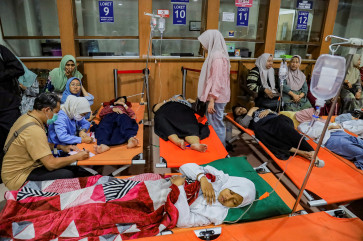
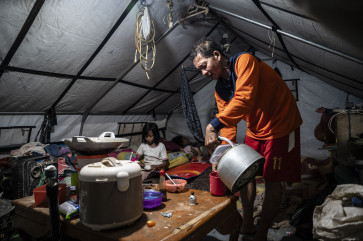
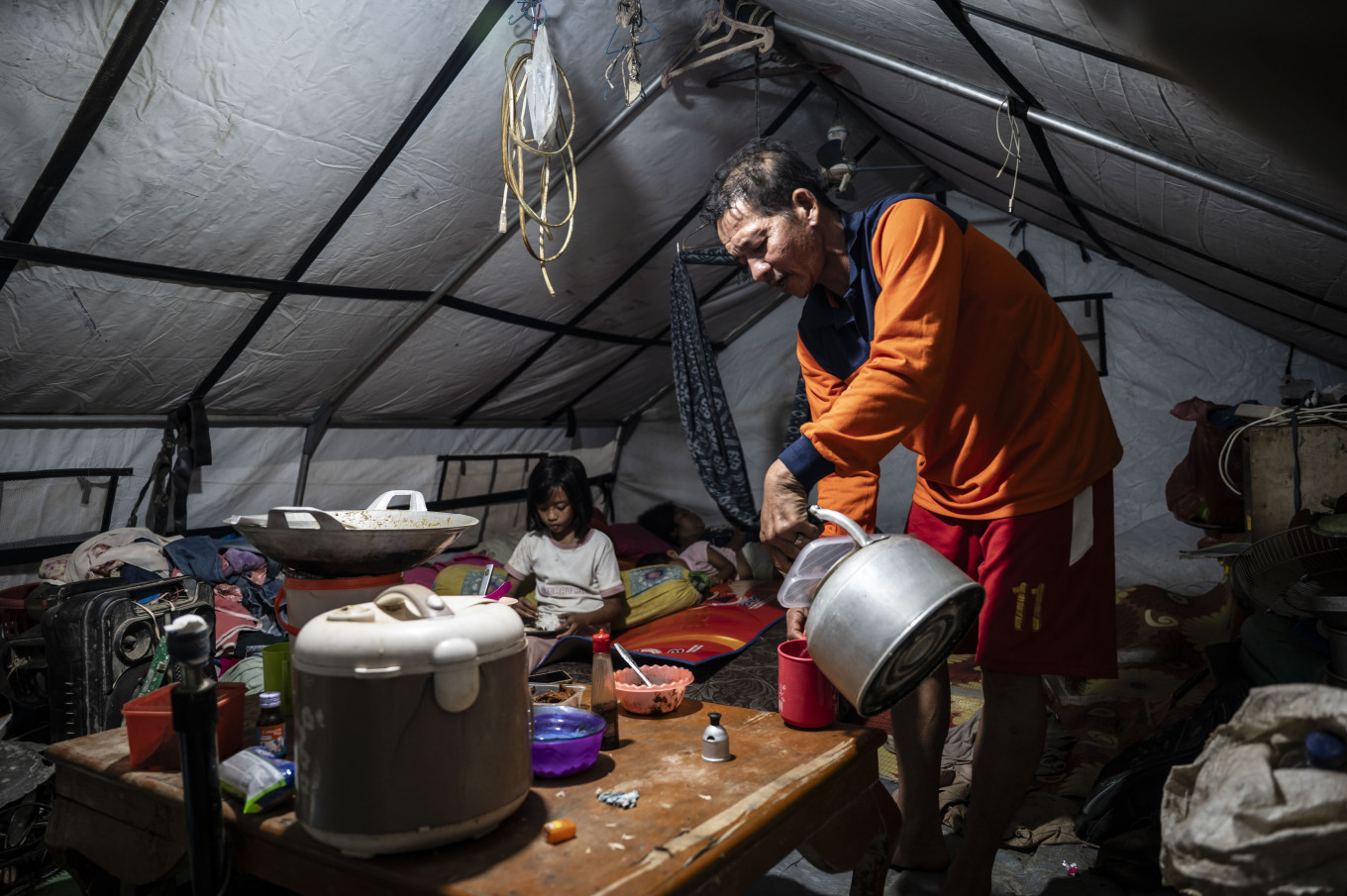 Ramadan under tents: Disaster survivors have a predawn meal (sahur) on Feb. 19, 2026, at an emergency shelter in Bundar village, Karang Baru, Aceh Tamiang, Aceh. About 23 families liveed at the site, and cook simple meals for their sahur as they observe the Ramadan fast. (Antara/Aprillio Akbar)
T
oday marks the first anniversary of the Aceh Waqf Movement (GAB), an ambitious initiative aimed at revitalizing the waqf sector in Aceh and reclaiming its historical role as a powerful economic and social institution. For centuries, waqf has supported vital public services, education, healthcare and social welfare, that benefit communities across generations.
Several initiatives have been launched under the GAB framework, including the inaugural Aceh Waqf Summit (AWS) on Nov. 25–26 last year. The summit brought together global waqf practitioners and experts who showcased successful models of waqf management that could potentially be replicated in Aceh.
Unfortunately, plans for collaboration on waqf development projects had to take a back seat when Aceh was struck by devastating floods and landslides end of November last year, disasters that, in many affected areas, caused destruction even more severe than that experienced during the 2004 tsunami.
When disaster strikes, the language of recovery often revolves around an “end game”, the moment when emergency relief gives way to reconstruction and life gradually returns to normal. But for Aceh, a region repeatedly tested by tsunamis, floods, landslides and climate-related shocks, recovery is never a single finish line. It is a continuous journey in which one endgame inevitably becomes the starting point for the next.
This reality calls for recovery approaches that go beyond short-term fixes. It requires instruments capable of carrying communities from crisis to continuity. One such instrument deeply rooted in Aceh’s history yet underutilized in modern recovery policy is waqf.
Waqf is often narrowly understood as religious charity, land donated for mosques, cemeteries or schools. In reality, waqf is far more powerful. It is a system of perpetual social investment designed to preserve assets, generate sustainable benefits and serve the public good across generations. In post-disaster contexts, these characteristics make waqf strategically relevant.

Relief aid saves lives, and government budgets rebuild roads, bridges and houses. But once humanitarian actors leave and public funds begin to thin, communities face a familiar question: how can recovery be sustained? Waqf offers an answer by anchoring recovery in assets that cannot be sold, diverted, or exhausted by political cycles.