TheJakartaPost
Please Update your browser
Your browser is out of date, and may not be compatible with our website. A list of the most popular web browsers can be found below.
Just click on the icons to get to the download page.


Popular Reads
Top Results
No results found. Please check your search term and try again
Can't find what you're looking for?
View all search results
Popular Reads
Top Results
No results found. Please check your search term and try again
Can't find what you're looking for?
View all search resultsStreets, screens and gavels: Indonesia’s new cycle of contention
The pulse of Indonesian democracy has moved to three arenas of contention: the asphalt of the streets, the viral volatility of social media and the high-stakes theater of the courtroom.
Change text size
Gift Premium Articles
to Anyone
Share the best of The Jakarta Post with friends, family, or colleagues. As a subscriber, you can gift 3 to 5 articles each month that anyone can read—no subscription needed!
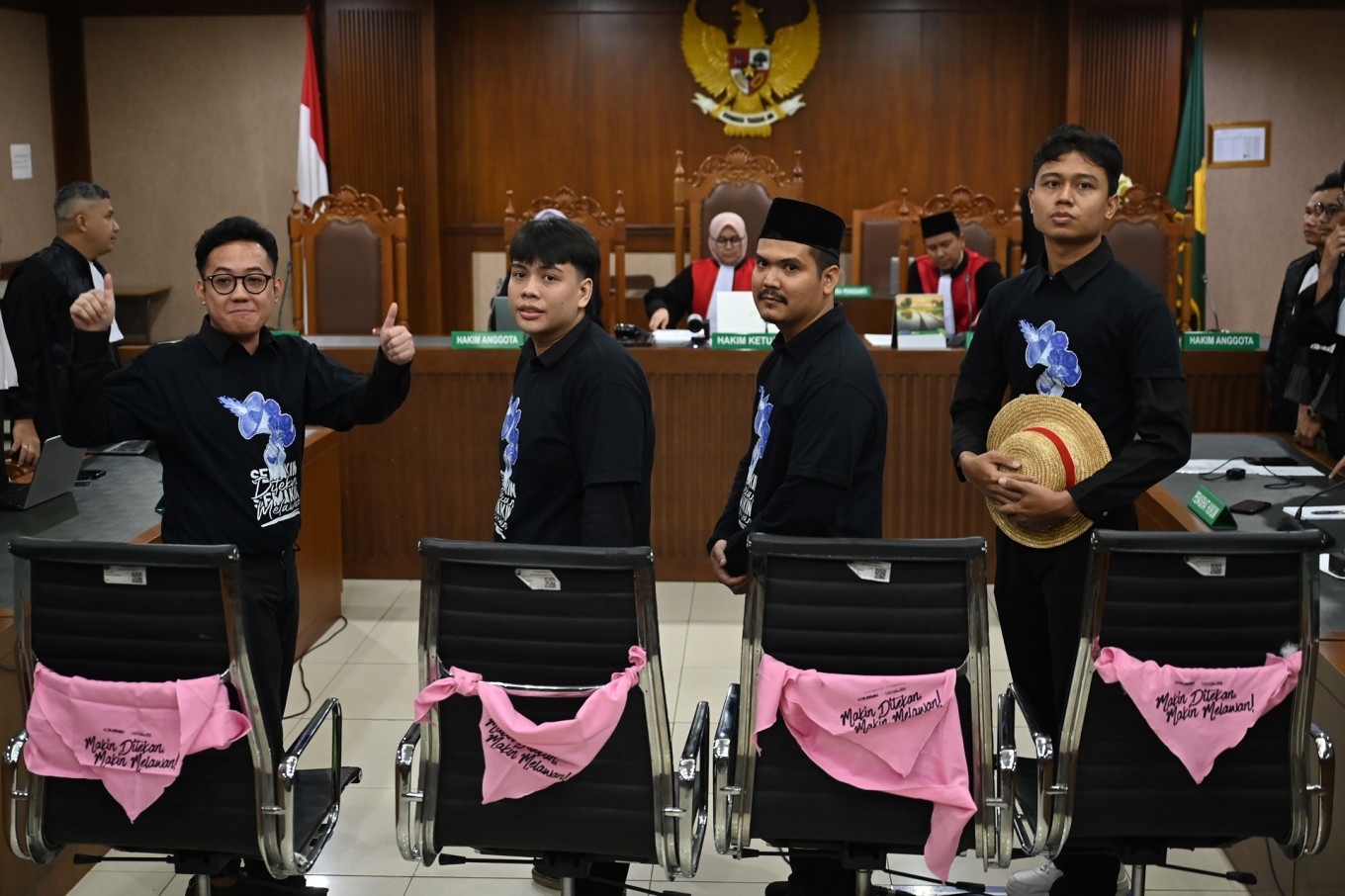 (From left to right) Activists Delpedro Marhaen, Muzaffar Salim, Syahdan Husein and Khariq Anhar pose on March 6 ahead of the verdict hearing against them at the Central Jakarta District Court in Jakarta. The judges acquit the defendants of all charges of incitement during nationwide anti-government protests in August 2025 that later turned into riots. (Antara/Bayu Pratama S)
I
ndonesia’s recent political climate is often suffocated by sanitized labels: democratic backsliding, shrinking civic space or authoritarian turns. While these terms carry the weight of truth, they are increasingly insufficient to capture the raw, tectonic shift currently destabilizing the nation’s political landscape.
As the formal opposition weakens, democratic contestation shifts to civil society. When formal political structures become echo chambers for the elite, dissent does not vanish. It simply metastasizes elsewhere.
The most consequential political battles in Indonesia are no longer being fought under the grand arches of the House of Representatives or within the hushed corridors of ministries. Instead, the pulse of Indonesian democracy has moved to three arenas of contention: the asphalt of the streets, the viral volatility of social media and the high-stakes theater of the courtroom.
This shift is a symptom of institutional democracy failure.
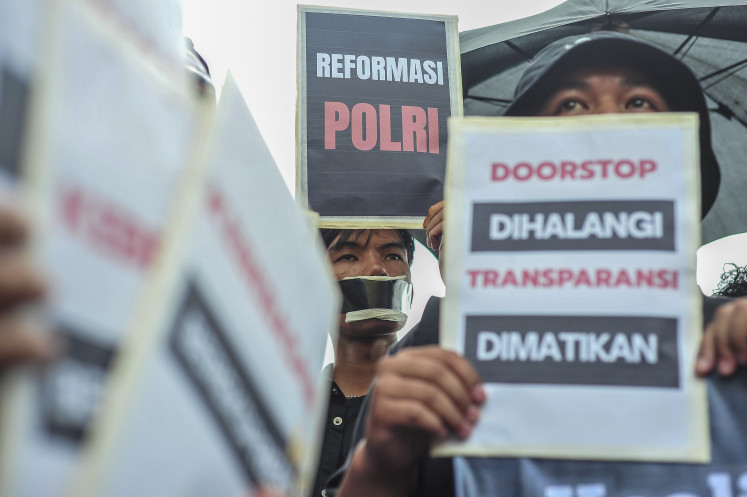
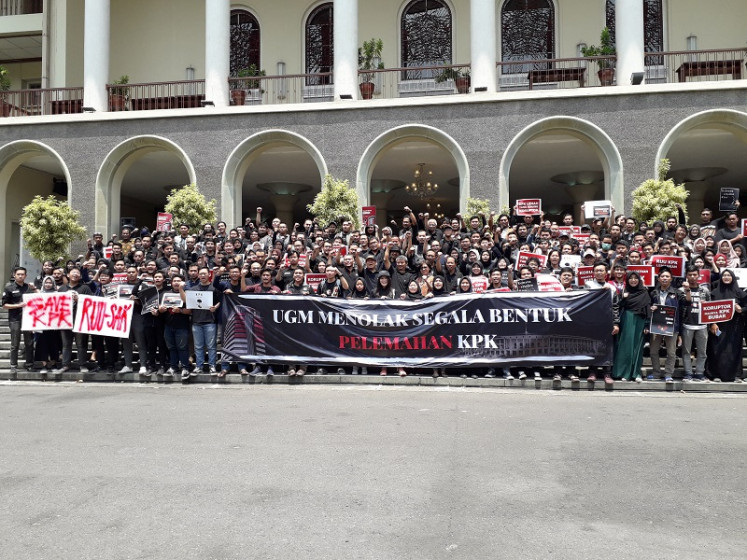
The nationwide protests in mid-2025 served as a brutal wake-up call for the administration of President Prabowo Subianto. These demonstrations were not merely a critique of specific policies. They were an eruption of long-simmering public frustration that the formal political apparatus could no longer contain. In many cities in Indonesia, students and activists reclaimed public spaces, signaling that the spirit of Reformasi is not a relic of 1998, but a living, breathing necessity.
The government’s response - a wave of arrests targeting nearly a thousand individuals - revealed a classic reflex of insecurity. By detaining student organizers and digital commentators alike, the state attempted to decapitate a movement that has no single head.

However, the subsequent acquittal of several key figures months later exposed a critical crack in the state’s armor: the judiciary’s refusal to fully surrender to executive whims. These trials were not just about the fate of individuals. They were a battle for the very soul of the right to disagree.