TheJakartaPost
Please Update your browser
Your browser is out of date, and may not be compatible with our website. A list of the most popular web browsers can be found below.
Just click on the icons to get to the download page.


Popular Reads
Top Results
No results found. Please check your search term and try again
Can't find what you're looking for?
View all search results
Popular Reads
Top Results
No results found. Please check your search term and try again
Can't find what you're looking for?
View all search resultsThe smart way to food security isn’t self-sufficiency
Producing food is not the same as ensuring people can eat. The difference lies not in production but in income levels, logistics, market integration and purchasing power.
Change text size
Gift Premium Articles
to Anyone
Share the best of The Jakarta Post with friends, family, or colleagues. As a subscriber, you can gift 3 to 5 articles each month that anyone can read—no subscription needed!
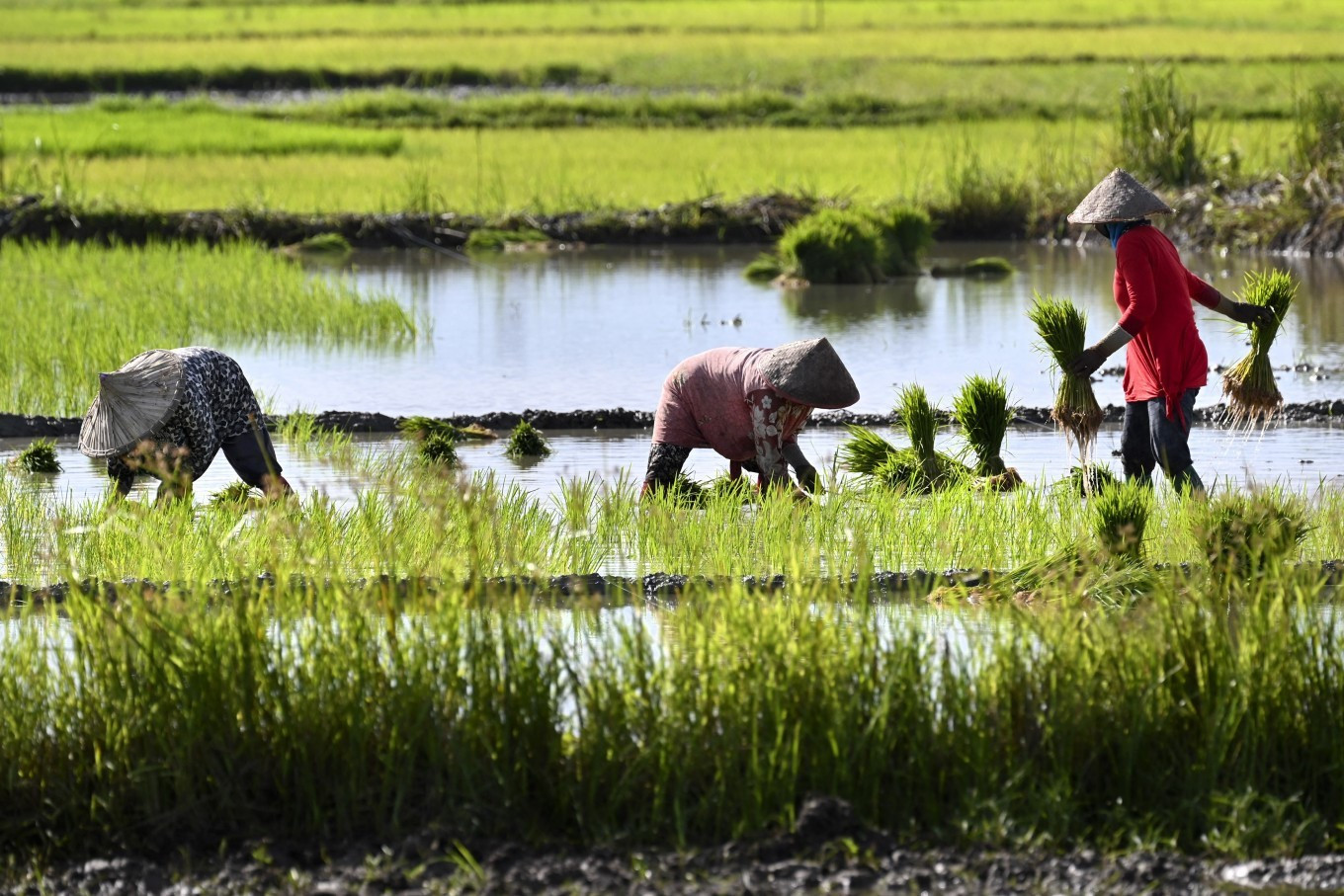 Farmers plant rice in a paddy field on June 28, 2025, in Lambaro, Aceh. (AFP/Chaideer Mahyuddin)
Food security debates in Indonesia often begin with a powerful but misleading idea: a country is secure only if it can feed itself.
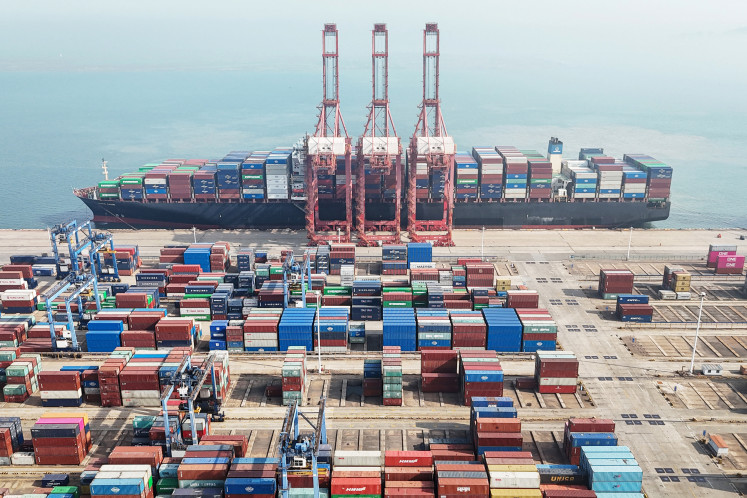
Yet global evidence tells a very different story. Consider Singapore. It is widely regarded as one of the countries with the strongest food security systems in the world, despite producing almost no food domestically. If food security simply meant self-sufficiency, Singapore should be extremely vulnerable. In fact, the opposite is true.
This paradox highlights an important lesson: food security is not the same as food self-sufficiency. Countries such as Singapore, Japan and Norway rely heavily on food imports but consistently rank among the top performers in global food security indicators. Meanwhile, several countries with large agricultural sectors still face serious food insecurity due to poverty, weak distribution systems and institutional constraints.
Producing food is not the same as ensuring people can eat. The difference lies not in production but in income levels, logistics, market integration and purchasing power.
This insight is not new. More than four decades ago, Nobel laureate Amartya Sen transformed how economists understand famine and food security. In his classic work Poverty and Famines, Sen showed that hunger does not always occur because food is unavailable. In many historical famines, food supplies were adequate, but certain groups lost the economic means to access them.
Sen introduced the concept of “entitlements.” Households obtain food through several channels: producing it themselves, purchasing it in markets, earning income through labor or receiving transfers from others or the state. When these channels collapse, because of unemployment, rising prices, or declining incomes, people can lose access to food even when the overall supply remains sufficient.

This perspective shifts the policy focus from production to access. Indonesia’s development history also offers lessons on strengthening food security through broader economic policy.