TheJakartaPost
Please Update your browser
Your browser is out of date, and may not be compatible with our website. A list of the most popular web browsers can be found below.
Just click on the icons to get to the download page.


Popular Reads
Top Results
No results found. Please check your search term and try again
Can't find what you're looking for?
View all search results
Popular Reads
Top Results
No results found. Please check your search term and try again
Can't find what you're looking for?
View all search resultsAnalysis: Capital market reform amid persistent structural challenges
Change text size
Gift Premium Articles
to Anyone
Share the best of The Jakarta Post with friends, family, or colleagues. As a subscriber, you can gift 3 to 5 articles each month that anyone can read—no subscription needed!
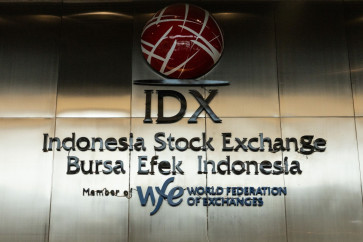
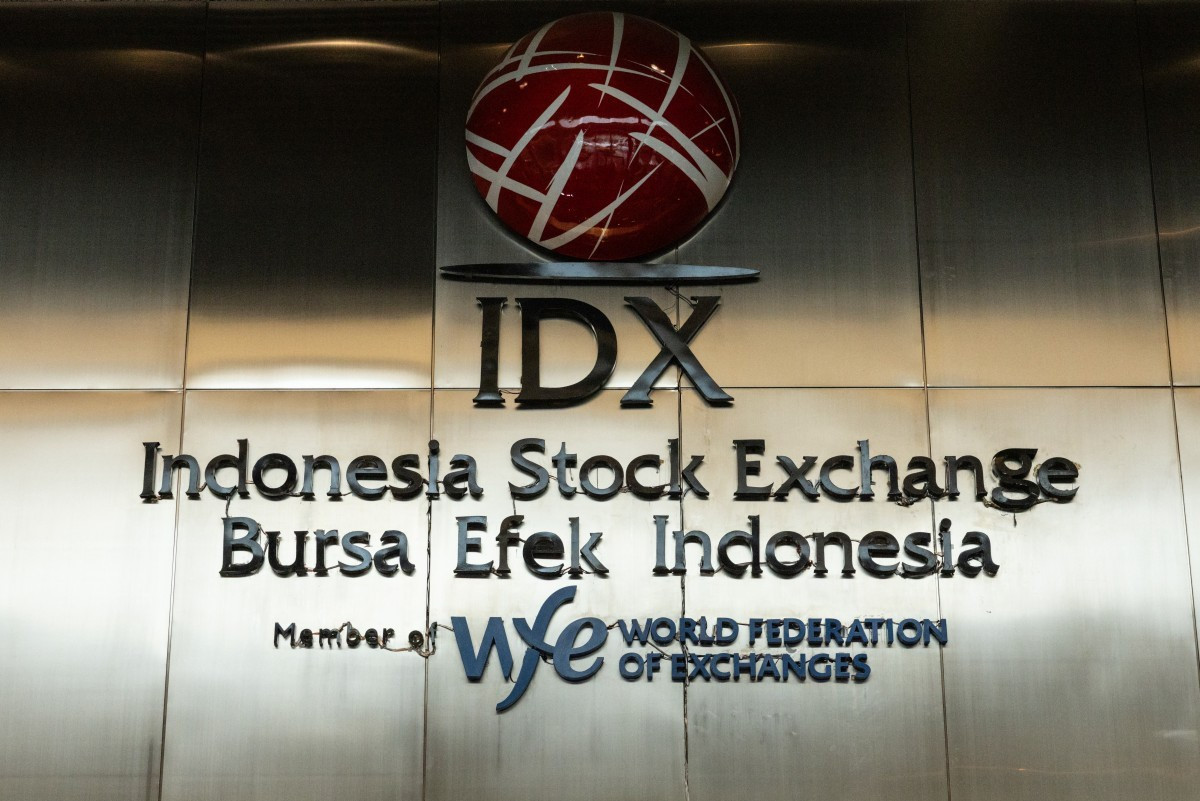 The logo of the Indonesia Stock Exchange (IDX) is seen at the IDX building in Jakarta on Jan. 29, 2026, (AFP/Yasuyoshi Chiba)
T
he interim freeze by MSCI on Indonesia’s February market status review has shaken the country’s capital market and triggered a wave of reform initiatives. Authorities quickly responded with measures including investigations into past fraudulent trading cases, new disclosure rules and plans to demutualize the Indonesia Stock Exchange (IDX). While these steps signal a stronger reform commitment, fundamental problems remain unresolved, undermining the role of Indonesia’s equity market as a source of long-term financing for economic growth.
Indonesia’s capital market has long been marked by structural weaknesses such limited transparency, weak law enforcement and high ownership concentration dominated by conglomerate-controlled companies. Such concentration creates opportunities for controlling shareholders to extract private benefits while offering limited protection for retail investors. Weak investor protection discourages participation and constrains the development of a deeper capital market.
Calls for reform had long gone unheeded. Only after MSCI imposed the interim freeze did regulators move quickly. In response, the Financial Services Authority (OJK) introduced eight reform initiatives aimed at improving transparency, strengthening governance, increasing liquidity and deepening the market.
One key reform raises the minimum free float requirement for listed companies from 7.5 percent to 15 percent. Previously, Indonesia’s requirement was significantly lower than those of neighboring markets. For comparison, Malaysia requires 25 percent, Thailand 15 percent and Singapore 10 percent.
The higher threshold aims to increase the proportion of publicly tradable shares and improve market liquidity. Greater free float could also benefit retail investors by limiting the dominance of controlling shareholders and institutional investors, thereby reducing opportunities for rent extraction and price manipulation.
Another reform targets shareholder transparency. Investors holding 1 percent or more of a listed company must now disclose their ownership, compared with the previous threshold of 5 percent. Lowering the threshold is intended to enhance transparency and provide investors with clearer insight into ownership structures.

The OJK has also stepped-up enforcement against past fraudulent practices, including cases involving initial public offerings (IPOs) and insider trading. For instance, Shinhan Sekuritas Indonesia is under investigation after the director of Multi Makmur Lemindo (PIPA), which it underwrote, was suspected of manipulating the company’s stock price. Authorities believe investors were encouraged to purchase shares despite valuations that did not justify the price.