The Jakarta Post
Please Update your browser
Your browser is out of date, and may not be compatible with our website. A list of the most popular web browsers can be found below.
Just click on the icons to get to the download page.


Popular Reads
Top Results
No results found. Please check your search term and try again
Can't find what you're looking for?
View all search results
Popular Reads
Top Results
No results found. Please check your search term and try again
Can't find what you're looking for?
View all search resultsTrump’s war of choice on Iran: Inquiring into foreign policy making
Why did Washington decide to pursue the path of war rather than continuing with diplomacy?
Change text size
Gift Premium Articles
to Anyone
Share the best of The Jakarta Post with friends, family, or colleagues. As a subscriber, you can gift 3 to 5 articles each month that anyone can read—no subscription needed!
 Set as preferred source
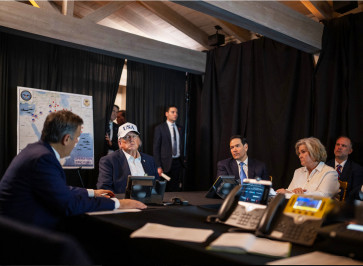
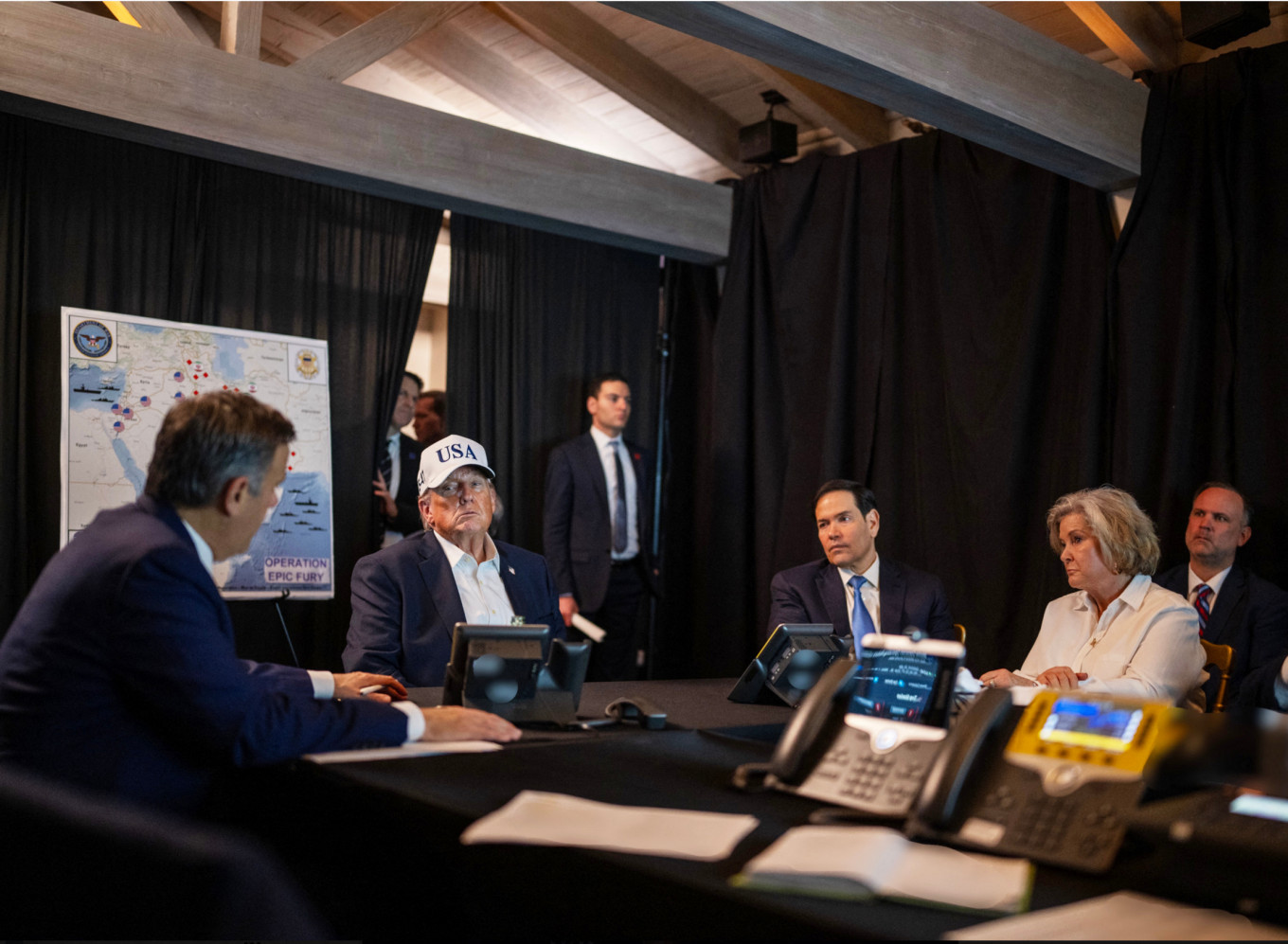 This official White House photo shows United States President Donald Trump (second left), US Secretary of State Marco Rubio (third right) and White House Chief of Staff Susie Wiles (second right) monitoring activity on Feb, 28, related to “Operation Epic Fury” against Iran from an unnamed location. (AFP/Handout/White House)
W
henever observing the holy month of Ramadan overseas, I often miss the traditional way Indonesians embrace this special time. There are many cherished customs, such as gathering with friends and family to break the fast (iftar) or visiting local markets to buy tajil, the small delicacies typically enjoyed at iftar.
Here in Oslo, as part of fostering camaraderie among representatives from countries of the Organisation of Islamic Cooperation (OIC), we take turns hosting iftar gatherings. Each host has the opportunity to introduce their country’s cuisine and traditions.
Against the backdrop of the ongoing United States-Israel war on Iran, however, the atmosphere at one recent gathering felt somewhat subdued. Some ambassadorial colleagues appeared hesitant to mingle freely or engage in conversation, especially on the subject of the war. I sensed a degree of bitterness, as their countries have been affected either directly or indirectly by the armed conflict.
In my case, representing a country that maintains friendly relations with all and promotes an independent and active foreign policy, I faced fewer constraints in sharing my thoughts. From the conversations that evening, it was clear that many felt deeply uneasy about the unfolding situation. Several diplomats expressed the view that their countries had been drawn into a difficult geopolitical predicament not of their choosing.
As the US, together with Israel, went to war with Iran, the notion of a “war of choice” has emerged as a central theme in various discussions. Many pundits have questioned Washington’s decision to pursue the path of war rather than continuing with diplomacy.
The conflict erupted despite ongoing diplomatic negotiations between the US and Iran facilitated by the Kingdom of Oman. In fact, Oman, acting as an intermediary, had publicly expressed optimism regarding the progress of the talks.

To explore this issue, one must examine the dynamics of defense and foreign policy decision-making in Washington and the circumstances that led Israel and the US to initiate what they describe as a “preemptive” strike.