TheJakartaPost
Please Update your browser
Your browser is out of date, and may not be compatible with our website. A list of the most popular web browsers can be found below.
Just click on the icons to get to the download page.


Popular Reads
Top Results
No results found. Please check your search term and try again
Can't find what you're looking for?
View all search results
Popular Reads
Top Results
No results found. Please check your search term and try again
Can't find what you're looking for?
View all search resultsThe responsibility to protect and the war against Iran
The international community needs to step up its commitment to the Responsibility to Protect, which was deliberately designed to ensure protection for populations against mass atrocity crimes within the purview of international law.
Change text size
Gift Premium Articles
to Anyone
Share the best of The Jakarta Post with friends, family, or colleagues. As a subscriber, you can gift 3 to 5 articles each month that anyone can read—no subscription needed!
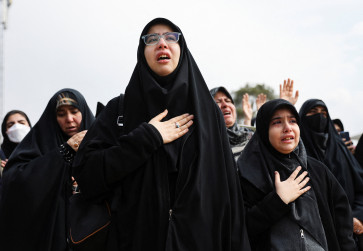
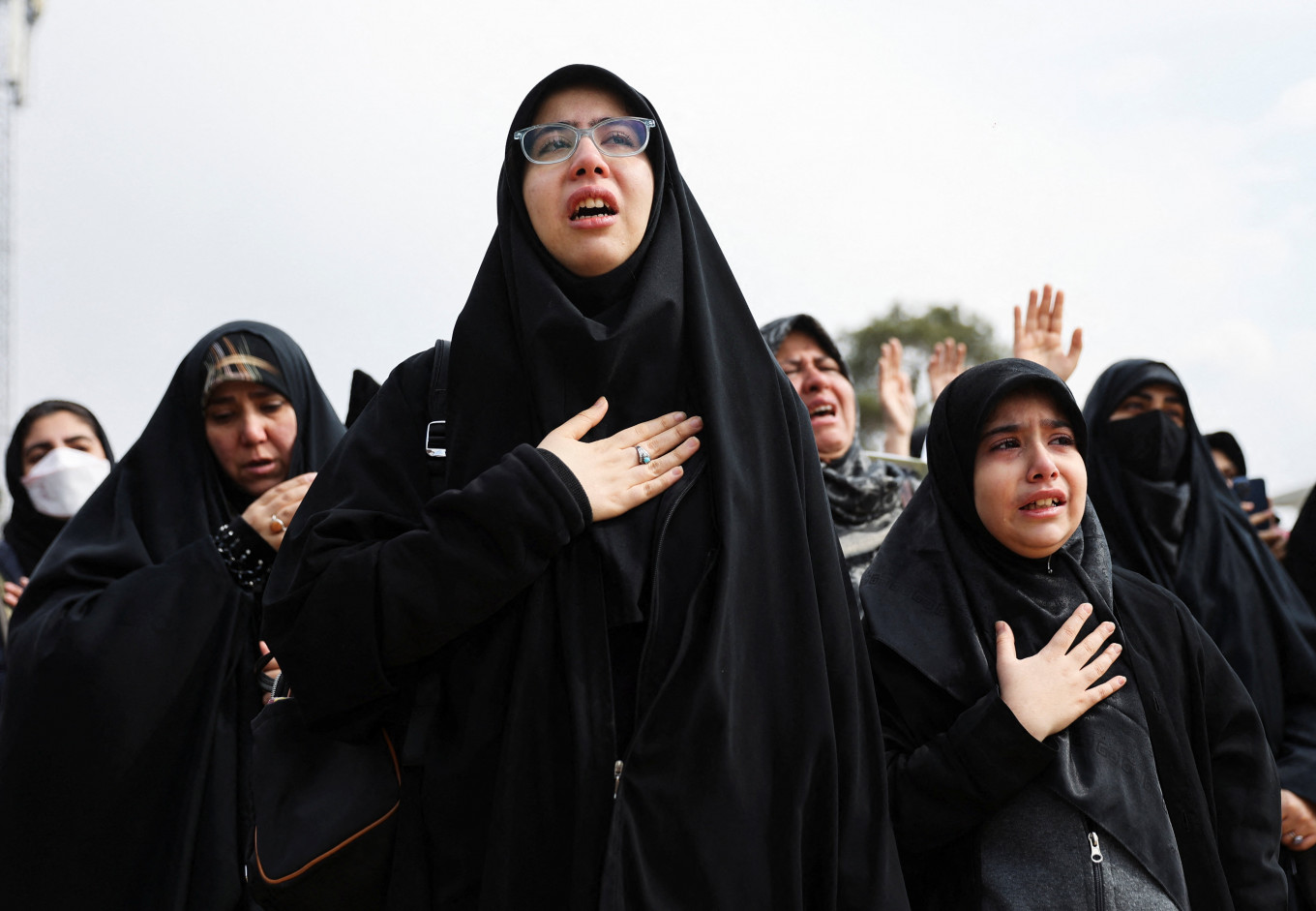 Mourners attend a funeral in Tehran on March 9, 2026, for people killed in the United States-Israeli war on Iran. (Reuters/WANA/Majid Asgaripour)
T
he United Nations 2005 World Summit, attended by more than 170 heads of state and government, made a political commitment to prevent genocide, war crimes, ethnic cleansing and crimes against humanity. But in endorsing the Responsibility to Protect (R2P), did they also clear a legal path to the United States-Israeli war against Iran?
According to the R2P, all states are responsible for protecting people from mass atrocity crimes. The responsibility falls first on governments to protect their own citizens. If, however, they are powerless to do so or are encouraging or carrying out the crimes themselves, the R2P obliges other states, under specified conditions, to prevent such atrocities.
The decision to endorse the R2P stems from the 1994 Rwandan genocide, when extremist elements of the majority Hutu population attempted to eliminate the minority Tutsi population as well as Hutus who opposed the slaughter. In the aftermath, Kofi A. Annan, who later became UN secretary-general, asked whether in the period leading up to the genocide, a coalition of states willing and able to prevent it should have stood idly by because the UN Security Council (UNSC) had not approved intervention.
A recent essay in The New York Times seeks to link the R2P to the ongoing war against Iran. The author implies that we face a dire choice: either we answer Annan’s question affirmatively and say that, yes, his hypothetical coalition should have stood idly by while 800,000 Tutsis were massacred, or we say that it should have acted and by implication, accept what the US and Israel are doing to Iran.
But that is not the choice we face.
One could argue that the Iranian government’s slaughter of protesters in January, the death toll for which Amnesty International estimates put at between 5,000 and 20,000 or more and even the late Ayatollah Ali Khamenei admitted was in the “thousands”, should have compelled a robust international response.

But US President Donald Trump’s administration has not sought to justify the US-Israeli strikes on Iran in terms of human rights protection, atrocity prevention or even international law. Instead, the administration’s purported justifications for its actions, however inconsistent and shifting, have centered on claims of self-defense. At various points, US officials have referenced threats, deterrence and strategic objectives. Some of its rhetoric has veered toward a regime change.