The Jakarta Post
Please Update your browser
Your browser is out of date, and may not be compatible with our website. A list of the most popular web browsers can be found below.
Just click on the icons to get to the download page.


Popular Reads
Top Results
No results found. Please check your search term and try again
Can't find what you're looking for?
View all search results
Popular Reads
Top Results
No results found. Please check your search term and try again
Can't find what you're looking for?
View all search resultsIran’s oil windfall amid war exposes a broken energy order
While conflict is designed to weaken adversaries, the current crisis has inadvertently turned Iran into a primary beneficiary of a broken energy order. As global prices soar and supply chains fracture, the resulting economic shock waves are no longer just a Middle Eastern concern: They are hitting every household and industry across ASEAN.
Change text size
Gift Premium Articles
to Anyone
Share the best of The Jakarta Post with friends, family, or colleagues. As a subscriber, you can gift 3 to 5 articles each month that anyone can read—no subscription needed!
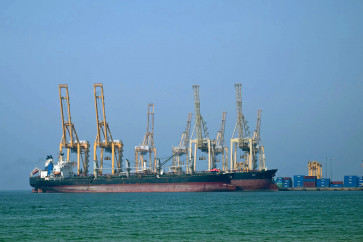
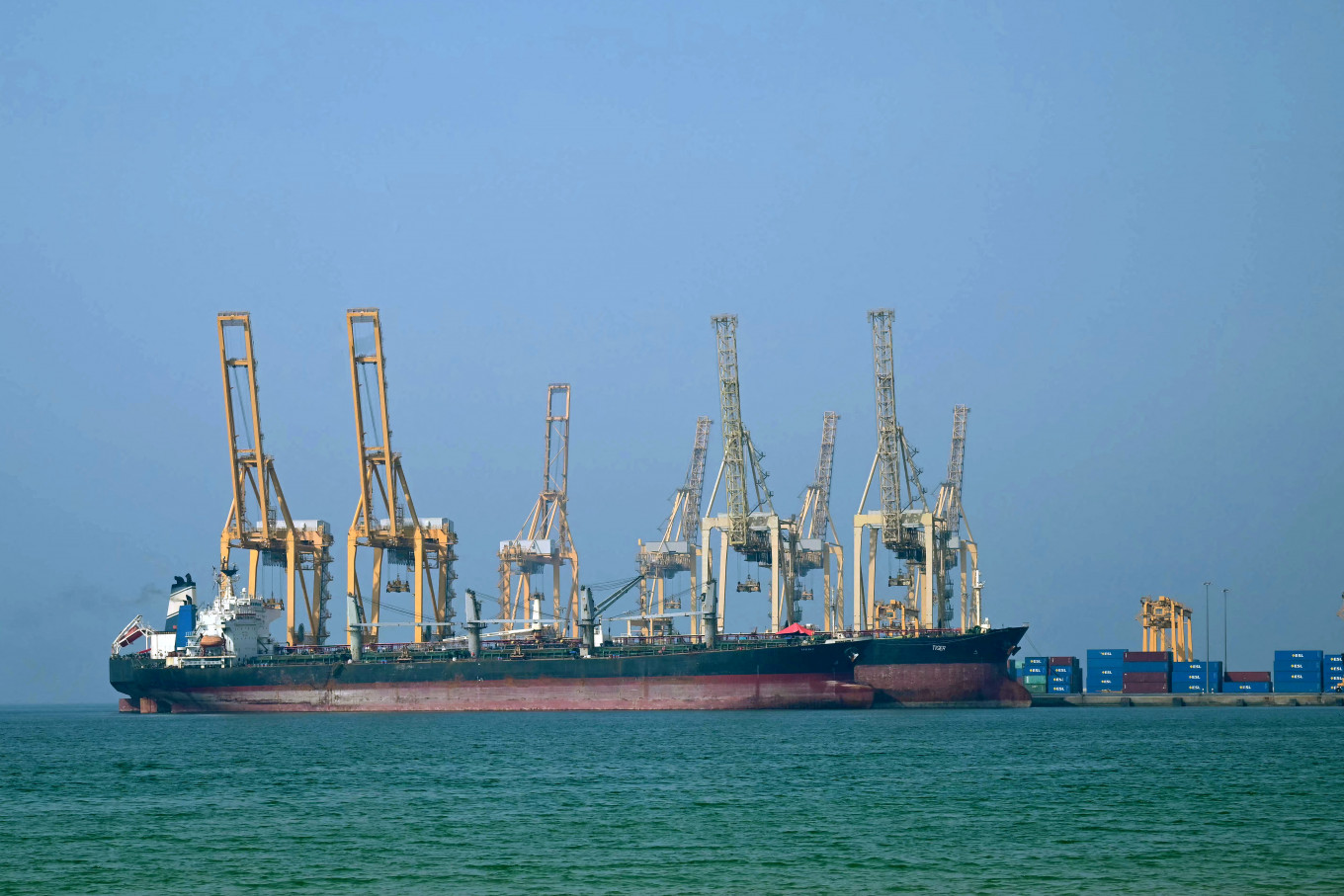 Tankers are docked at the Khor Fakkan Container Terminal on June 23, 2025, the only natural deep-sea port along the Strait of Hormuz and one of the major container ports in the Sharjah emirate, on the northeastern tip of the United Arab Emirates. (AFP/Giuseppe Cacace)
A
t a time when much of the Gulf’s energy infrastructure is under siege, an unexpected paradox has emerged: Iran, the very country at the center of the conflict, is earning more from oil than before the war intensified.
Based on export estimates from TankerTrackers.com and pricing for its flagship Iranian Light Crude, Tehran’s oil revenues surged to approximately US$139 million per day in March from around $115 million in February, a nearly 20 percent increase. This spike is not incidental; it is structural and deeply revealing of how distorted the global energy system has become under conditions of war.
The first driver is price. With Brent crude climbing above $100 per barrel amid escalating attacks on energy infrastructure across the Gulf, every barrel sold has become significantly more valuable. Iran, despite being under sustained military pressure, is benefiting directly from this surge. In a perverse way, the very instability meant to weaken the nation has instead inflated the value of its primary export.
Second is continuity of supply. While other Gulf producers, from Saudi Arabia to Kuwait and even Qatar, have faced disruptions to production and exports, Iran has managed to sustain a steady flow of roughly 1.6 million barrels per day. Its tankers continue to move through the Strait of Hormuz even as maritime risks escalate for others. This continuity reflects not only logistical resilience but also the decentralized nature of Iran’s export networks, including the use of "shadow fleets" and diversified shipping routes.
Third is the narrowing of price discounts. Before the conflict intensified, Iranian crude was sold at a steep discount to Brent. Today, that gap has shrunk considerably. Iran is not only exporting oil; it is doing so at near-market prices, significantly boosting its daily revenues. Buyers, especially in Asia, are increasingly willing to absorb geopolitical risk in exchange for energy security.
The result is a geopolitical irony of the highest order. A war intended to constrain Iran’s strategic capabilities has, in the short term, enhanced its financial resilience. This does not mean that Iran is immune to pressure, but it does mean the global energy system is responding in ways that complicate conventional expectations of economic coercion.

This paradox also exposes a deeper systemic flaw. The global energy system remains heavily dependent on Gulf oil. When disruptions occur, they do not halt supply altogether. Instead, they redistribute market advantage to whichever producers can maintain output and logistics. In this case, Iran has leveraged both geography and circumstance.