TheJakartaPost
Please Update your browser
Your browser is out of date, and may not be compatible with our website. A list of the most popular web browsers can be found below.
Just click on the icons to get to the download page.


Popular Reads
Top Results
No results found. Please check your search term and try again
Can't find what you're looking for?
View all search results
Popular Reads
Top Results
No results found. Please check your search term and try again
Can't find what you're looking for?
View all search resultsWhere have all the allies gone in Trump's war?
It is as if Trump failed to pay for fire insurance and then filed a claim for a blaze he set, without warning the neighborhood. Now the neighbors are applying his own logic.
Change text size
Gift Premium Articles
to Anyone
Share the best of The Jakarta Post with friends, family, or colleagues. As a subscriber, you can gift 3 to 5 articles each month that anyone can read—no subscription needed!
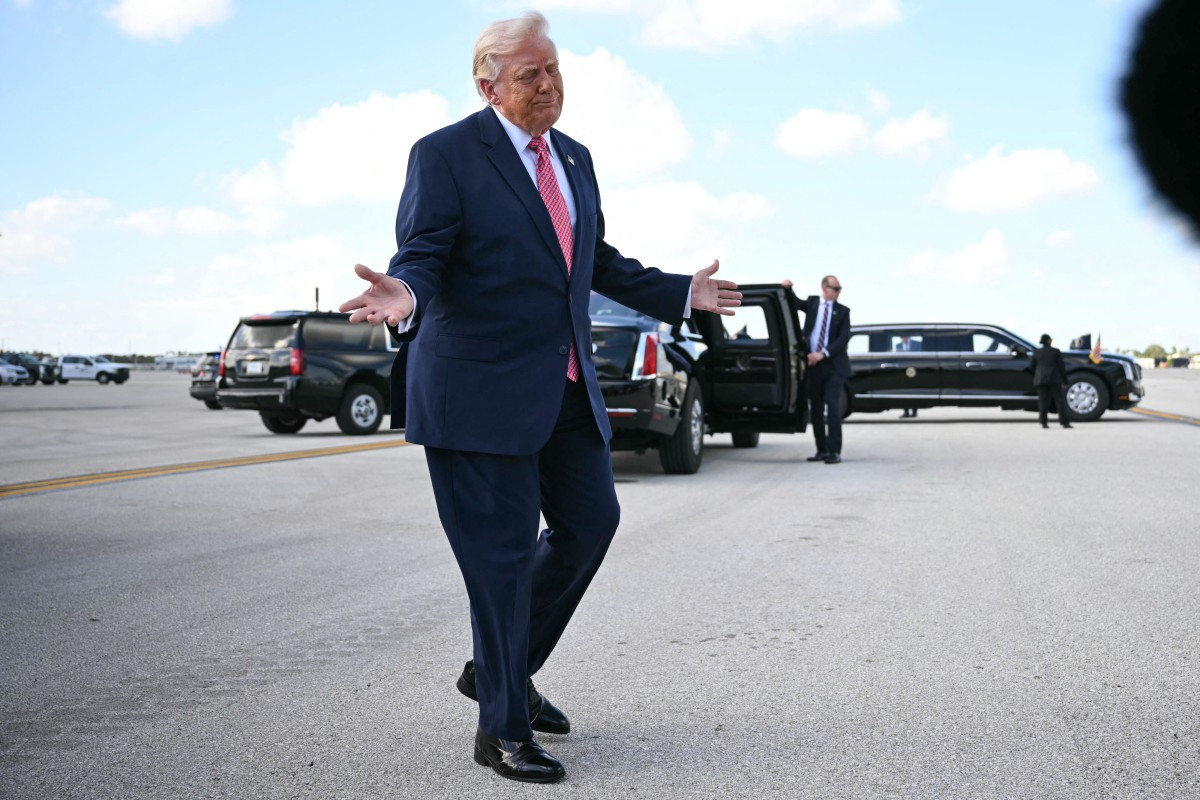 United States President Donald Trump reacts on March 27, 2026, to a question about Iran as he speaks to the press upon arrival at Miami International Airport in Florida, the United States. (AFP/Mandel Ngan)
A
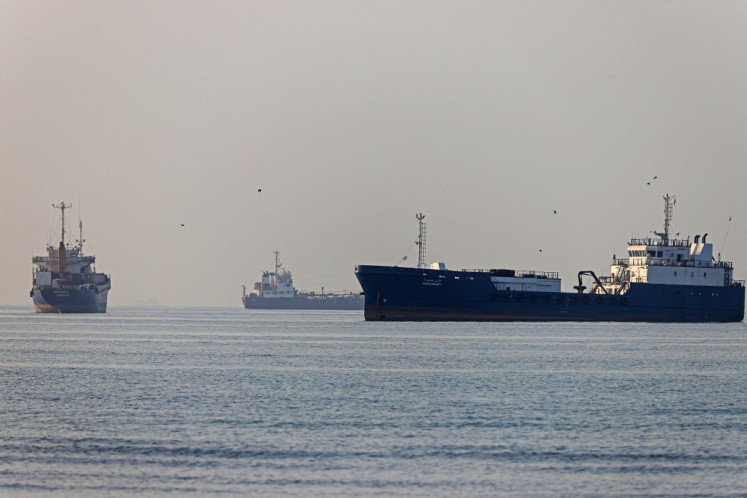
fter declaring Iran’s military “gone,” United States President Donald Trump appealed to the United Kingdom, France, Japan and South Korea, as well as China, Iran’s strategic partner, to send minesweepers and naval forces to reopen the Strait of Hormuz. When allies balked, the request turned into a warning: the North Atlantic Treaty Organization (NATO) would face “a very bad” future if it refused.
The prevailing wisdom is that Trump faces a credibility problem: having spent years insulting allies, he finds they will not rally when he needs them. That is true, but superficial, as though a structural collapse could be caused by wounded feelings. Something more fundamental is at work.
Consider what the refusals actually say. Germany’s Defense Minister Boris Pistorius put it plainly: “This is not our war; we did not start it.” France, Spain, Italy and Japan responded similarly. These governments are not simply nursing grudges. They are pointing out that Trump launched a war without consulting them, a war that is already costing them dearly, oil above US$100 a barrel, insurance markets frozen, supply chains disrupted, forces exposed to Iranian retaliation and now demands they bear its military risks as well.
It is as if Trump failed to pay for fire insurance and then filed a claim for a blaze he set, without warning the neighborhood. Now the neighbors are applying his own logic.
That logic reflects Trump’s critique of the postwar alliance system. The classic critique, familiar from the left, from realists, and from anti-imperialists, held that NATO and the liberal international order never lived up to their advertising. The language of shared values was a fig leaf for US dominance.
In Trump’s telling, however, the US was not the manager of the system but its mark. Weaker states extracted US protection, treasure and military risk while contributing little in return. The “rules-based order” was not a mechanism for advancing US interests. It was a swindle. The fatal flaw of the wars in Iraq and Afghanistan was not incompetence but altruism: US spent blood and treasure without extracting anything tangible in return. Trump’s Venezuela strategy represents the lesson learned. Forget democratization. Take the oil.

This is not cynicism in the conventional sense. A cynic assumes that moral language disguises self-interest. Trump suggests the opposite, that the US’s sincerity was precisely the problem. The liberal order was not a mask but a delusion that must be discarded, not managed. Some commentators have credited him for a kind of radical candor, openly acknowledging that politics is transactional and shared values were always a polite fiction.