The Jakarta Post
Please Update your browser
Your browser is out of date, and may not be compatible with our website. A list of the most popular web browsers can be found below.
Just click on the icons to get to the download page.


Popular Reads
Top Results
No results found. Please check your search term and try again
Can't find what you're looking for?
View all search results
Popular Reads
Top Results
No results found. Please check your search term and try again
Can't find what you're looking for?
View all search resultsWhen the Middle East crisis reaches Southeast Asia
As the collapse of old regimes and escalating tensions reshape the Middle East, the walls containing extremist threats are beginning to crumble. Indonesia must act now to bridge the gap between global geopolitical shifts and domestic security before "strategic ambiguity" turns into a national crisis.
Change text size
Gift Premium Articles
to Anyone
Share the best of The Jakarta Post with friends, family, or colleagues. As a subscriber, you can gift 3 to 5 articles each month that anyone can read—no subscription needed!
 Set as preferred source
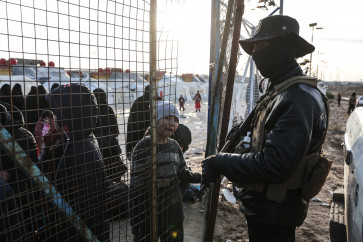
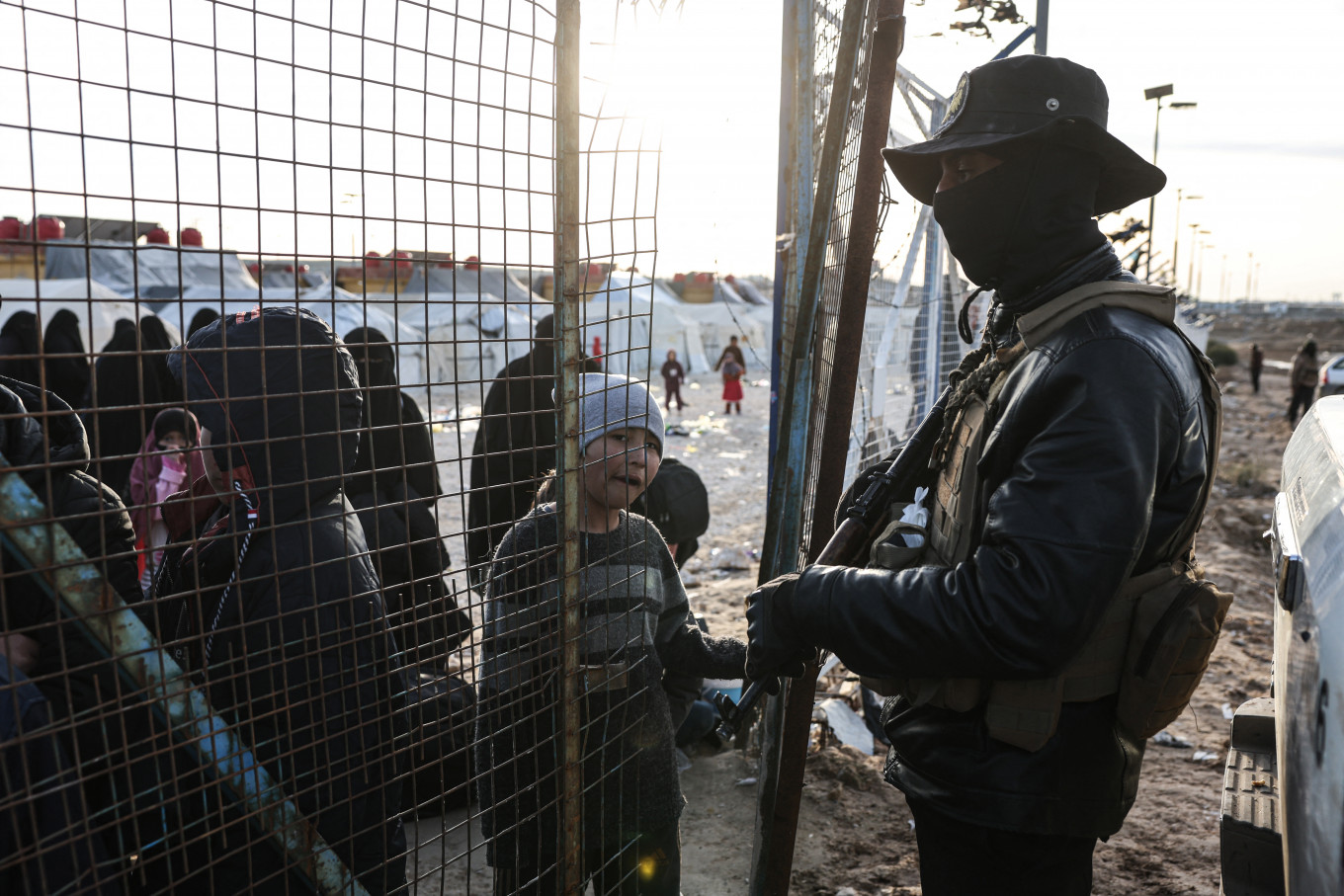 A member of Syria’s Internal Security Forces stands guard on Jan. 21, 2026, at al-Hol detention camp for displaced persons in Hasakeh governorate. (AFP/Omar Haj Kadour)
E
vents in the Middle East often feel distant from Southeast Asia. However, the conflicts unfolding today have direct implications for countries like Indonesia.
The escalating tensions involving Iran, Israel and the United States are reshaping the security landscape across the Gulf region. At the same time, Syria is undergoing a rapid political transition following the departure of Bashar al-Assad. These developments are weakening the fragile system that once kept thousands of individuals linked to Islamic State (IS) contained in detention camps.
For years, camps such as al-Hol and Roj in northeastern Syria were guarded by the Syrian Democratic Forces (SDF) with support from Western countries, particularly the US. These camps held thousands of former IS fighters, along with their wives and children, hailing from dozens of nations.
Today, that system is under immense strain. As geopolitical tensions intensify and international attention shifts elsewhere, the ability of the SDF to fully control these facilities is weakening. Some detainees have reportedly disappeared, while others are living in surrounding areas with little to no supervision.
For Southeast Asia, this is not merely a distant humanitarian story; it is a security and policy issue that requires urgent attention. Indonesia has the largest number of citizens who traveled to Syria during the rise of IS. Over the past decade, more than 400 Indonesians were recorded in Syrian camps, the majority of whom are women and children. Smaller numbers from Malaysia, the Philippines and Singapore were also among those detained.
For many years, these camps functioned as a form of containment. Governments could assume their citizens remained under control in a distant conflict zone, but that assumption is becoming increasingly fragile. Even if these individuals do not return home immediately, the risks do not disappear.

Through social media and encrypted messaging platforms, extremist networks continue to influence vulnerable audiences across borders. The foreign fighter issue is therefore not only about the physical return of individuals but also about the digital spread of extremist narratives.