The Jakarta Post
Please Update your browser
Your browser is out of date, and may not be compatible with our website. A list of the most popular web browsers can be found below.
Just click on the icons to get to the download page.


Popular Reads
Top Results
No results found. Please check your search term and try again
Can't find what you're looking for?
View all search results
Popular Reads
Top Results
No results found. Please check your search term and try again
Can't find what you're looking for?
View all search resultsAlarming deforestation
Indonesia’s decade of conservation progress is under threat as ambitious state projects drive a staggering 66 percent surge in deforestation.
Change text size
Gift Premium Articles
to Anyone
Share the best of The Jakarta Post with friends, family, or colleagues. As a subscriber, you can gift 3 to 5 articles each month that anyone can read—no subscription needed!
 Set as preferred source
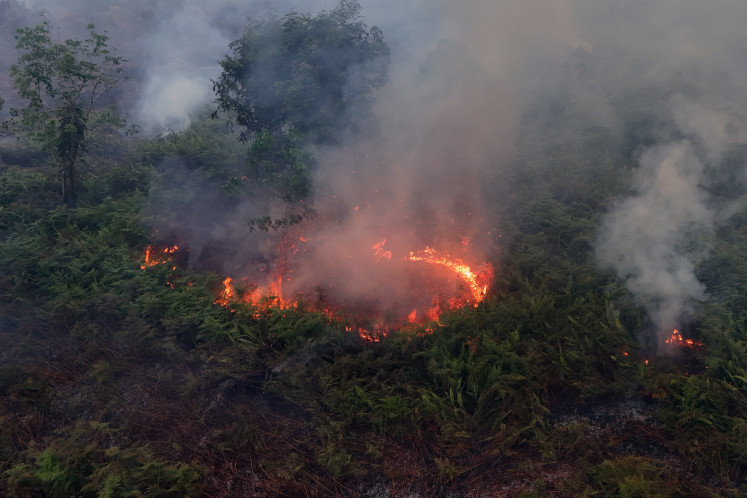
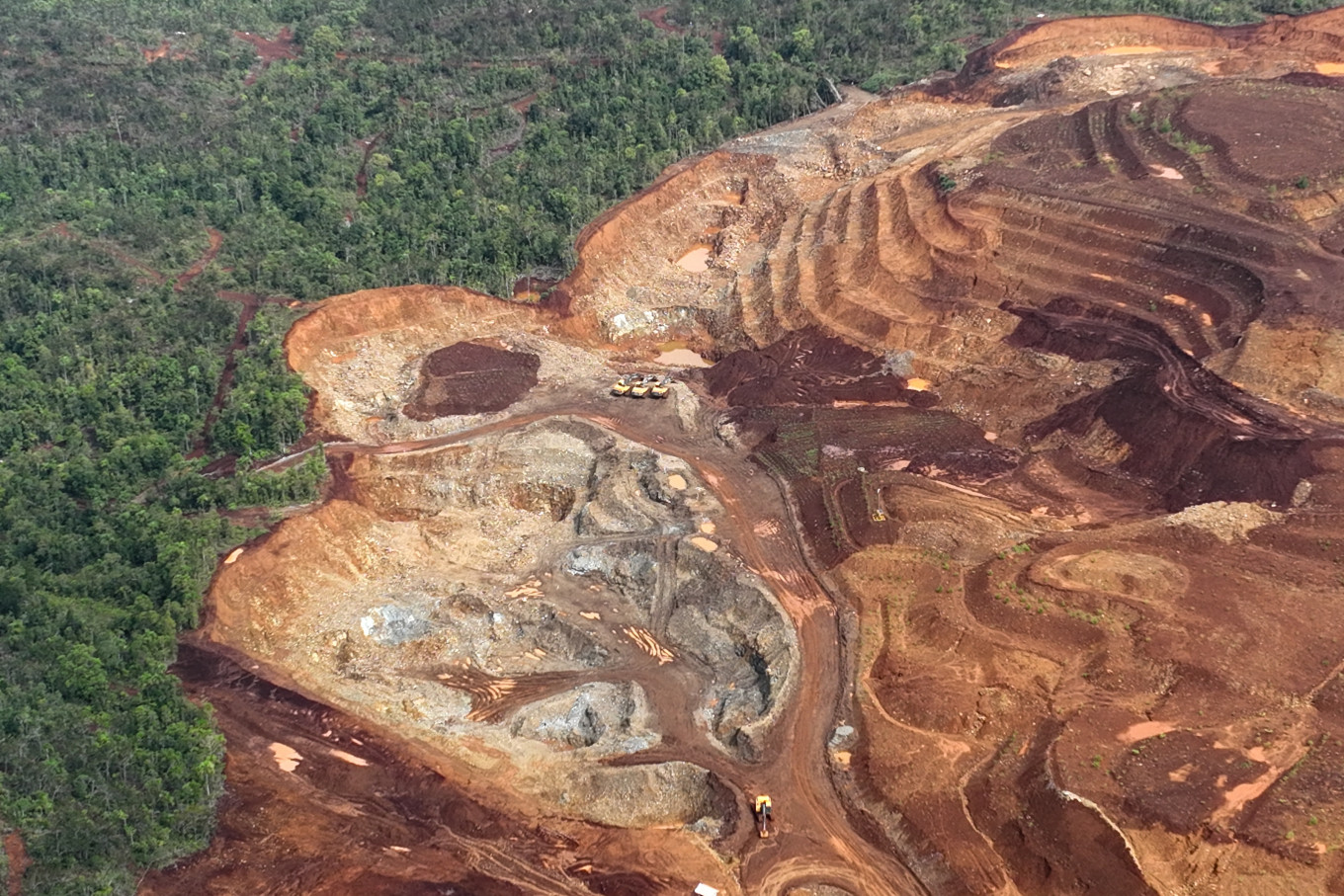 This aerial handout picture taken on December 22, 2024, and released on January 31, 2025, by Auriga Nusantara shows deforestation at an area on Gag Island in Raja Ampat, Southwest Papua province. (AFP PHOTO / AURIGA NUSANTARA/AFP PHOTO / AURIGA NUSANTARA)
A
fter several years of declining deforestation, 2025 marked a significant regression for Indonesia’s environmental health as forest cover loss surged. A recent report by the environmental watchdog Auriga Nusantara revealed that over 430,000 hectares were cleared last year—a 66 percent increase from 2024.
Representing an area six times the size of Singapore, this rate reverses nearly a decade of progress made since 2017, when annual losses remained below the 300,000-hectare threshold.
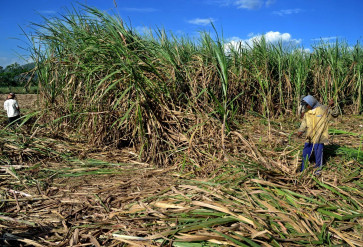
While Kalimantan remains a primary site of concern, Papua experienced the most dramatic spike, with land clearing increasing fourfold compared to the previous year. Auriga attributes this trend to President Prabowo Subianto’s ambitious pursuit of energy and food self-sufficiency. These findings align with earlier reports suggesting that National Strategic Projects (PSN), specifically the massive rice and sugarcane estates in Merauke, South Papua, are the primary drivers of this ecological destruction.
These developments are particularly alarming as thousands of people in Aceh, North Sumatra and West Sumatra struggle to recover from the devastating floods and landslides of last November. The severity of these disasters is widely believed to have been exacerbated by the loss of northern Sumatra’s forests to industrial plantations and commercial expansion.
A steady supply of food and energy sources is imperative for any nation. Disruptions—such as those occurring now with the escalation of war in the Middle East—can spell disaster. However, we believe that securing these resources should not come at the cost of our remaining forests and, ultimately, the lives of the many who depend on those ecosystems.
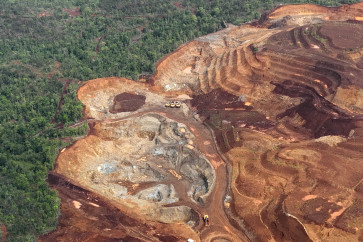
Numerous studies have suggested that massive forest clearing for commercial purposes—whether through mining or transforming land into plantations—triggers long-term damage that outweighs short-term benefits. This damage impacts both the health of the environment and the well-being of the people.

Furthermore, the benefits gained from cutting down forests are usually reaped only by a few political and business elites in Jakarta. Meanwhile, indigenous communities and countless species suffer as they lose their homes beneath the vast canopies of Kalimantan, Papua and other islands.