TheJakartaPost
Please Update your browser
Your browser is out of date, and may not be compatible with our website. A list of the most popular web browsers can be found below.
Just click on the icons to get to the download page.


Popular Reads
Top Results
No results found. Please check your search term and try again
Can't find what you're looking for?
View all search results
Popular Reads
Top Results
No results found. Please check your search term and try again
Can't find what you're looking for?
View all search resultsA new security architecture for the Middle East
The current crisis is driven not by a single dispute but by the convergence of four fault lines: the Strait of Hormuz, Iran’s nuclear program, the absence of a regional security architecture addressing missiles and proxy warfare, and the unresolved Israeli-Palestinian conflict.
Change text size
Gift Premium Articles
to Anyone
Share the best of The Jakarta Post with friends, family, or colleagues. As a subscriber, you can gift 3 to 5 articles each month that anyone can read—no subscription needed!
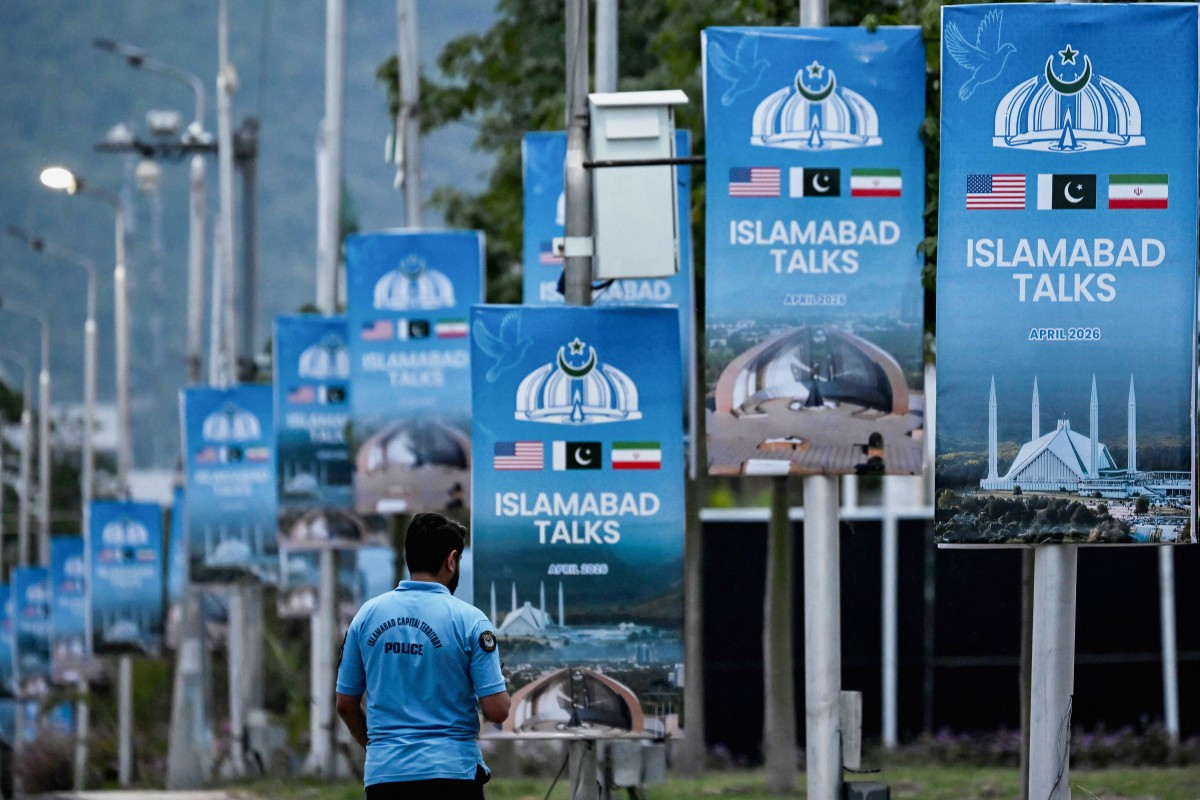 A police officer walks past posters highlighting Pakistan's mediation of Iran-United States peace talks, at the Red Zone area in Islamabad on April 18, 2026. (AFP/Farooq Naeem)
T
he collapse of the first round of negotiations between the United States and Iran, mediated by Pakistan, should have surprised no one. Both parties’ entrenched positions and hardline rhetoric made meaningful progress unlikely from the outset. A second round of talks, reportedly just days away, is also bound to fail. Bilateral bargaining will not achieve peace. But a comprehensive regional framework just might.
Any viable agreement must achieve two objectives simultaneously. It must lay the groundwork for lasting peace while allowing each side to present the outcome as a success at home. This delicate balance is further complicated by the indirect yet decisive influence of external actors, most notably Israel.
Crucially, the current crisis is driven not by a single dispute but by the convergence of four fault lines: the Strait of Hormuz, Iran’s nuclear program, the absence of a regional security architecture addressing missiles and proxy warfare and the unresolved Israeli-Palestinian conflict. Progress on any one front is unlikely without parallel movement on the others.
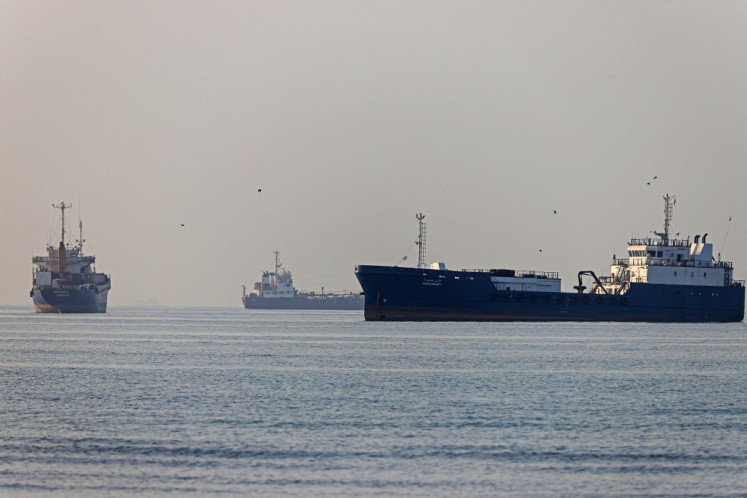
The Strait of Hormuz has emerged as the main focus of the crisis. Although it has since been reopened, Iran’s temporary closure of the strait, and the subsequent US naval blockade targeting Iranian ports, highlighted both its vulnerability and the risk of rapid escalation. A more durable solution would involve placing the strait under the temporary administration of a coalition of trusted intermediaries such as Turkey, Pakistan, Malaysia and Indonesia. Under clearly defined conditions, they could deploy a joint maritime mission to restore safe passage.
But such an arrangement would require the US to commit to an immediate end to military operations against Iran, including those conducted in coordination with Israel. Iran, in turn, would need to guarantee maritime security and refrain from attacking its neighbors. The Gulf countries themselves, having been drawn into the war against their will, would have strong incentives to support such a mechanism.
To ensure legitimacy, the initiative must be endorsed by the United Nations Security Council, with formal backing from its five veto-wielding permanent members. Beyond immediate stabilization, this framework could also pave the way for a longer-term regime governing transit through the strait, including mechanisms to compensate for war-related damages through maritime revenues.

While Iran’s nuclear ambitions remain a major sticking point, a pathway to de-escalation still exists, provided both sides adopt a reciprocal approach. Iran should reaffirm its long-standing commitment not to pursue nuclear weapons, and the US should formally recognize the Islamic Republic’s right to peaceful nuclear energy. Such mutual recognition would allow both sides to claim diplomatic success.