The Jakarta Post
Please Update your browser
Your browser is out of date, and may not be compatible with our website. A list of the most popular web browsers can be found below.
Just click on the icons to get to the download page.


Popular Reads
Top Results
No results found. Please check your search term and try again
Can't find what you're looking for?
View all search results
Popular Reads
Top Results
No results found. Please check your search term and try again
Can't find what you're looking for?
View all search resultsAsia's economic diplomacy for tumultuous times
We have entered a multipolar age, defined by strategic rivalry, contested norms and a level of volatility that makes long‑term planning extraordinarily challenging.
Change text size
Gift Premium Articles
to Anyone
Share the best of The Jakarta Post with friends, family, or colleagues. As a subscriber, you can gift 3 to 5 articles each month that anyone can read—no subscription needed!
 Set as preferred source
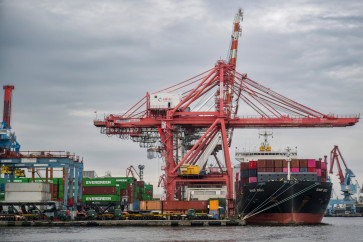
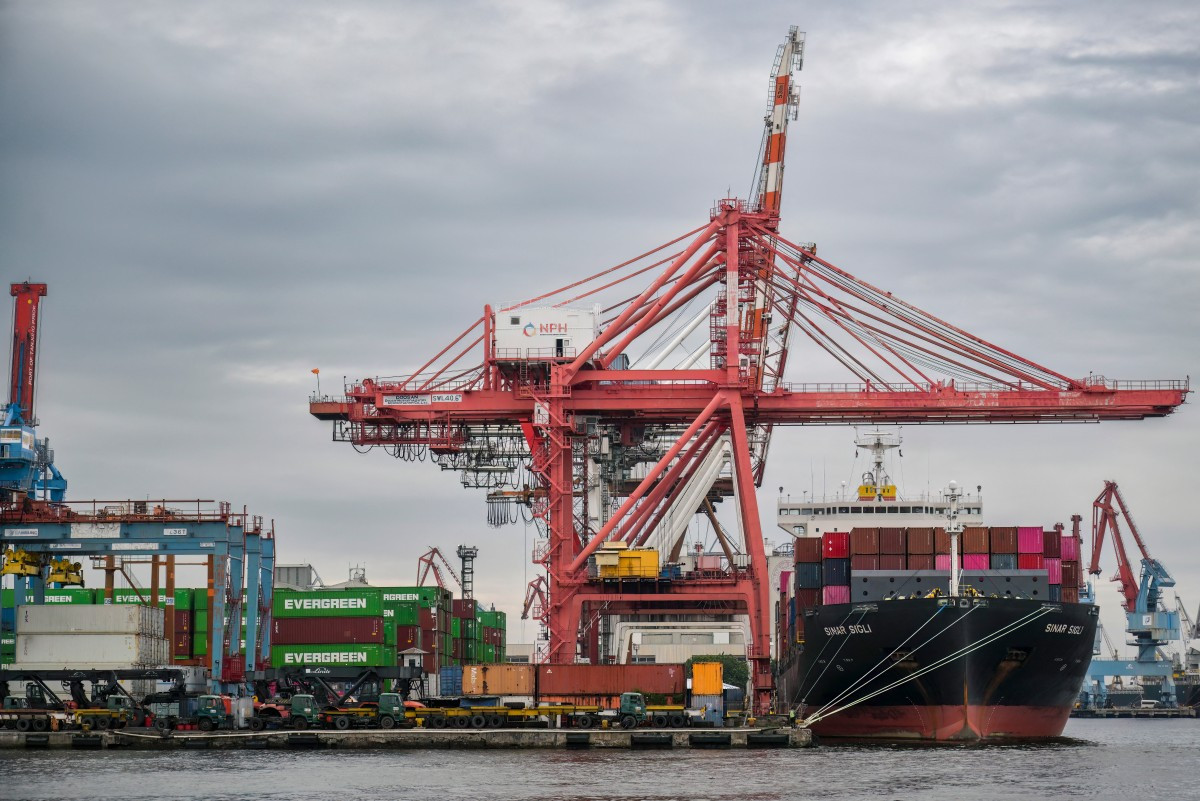 Workers load and unload containers on Feb. 4 at the Tanjung Priok International Export-Import Port in North Jakarta. (AFP/Bay Ismoyo)
F
or decades, global development efforts reflected the assumption that international cooperation, however imperfect, was ultimately guided by a shared commitment to helping poorer countries prosper. That era is over. We have entered a multipolar age, defined by strategic rivalry, contested norms and a level of volatility that makes long‑term planning extraordinarily challenging.
Against this backdrop, economies cannot wait around hoping for systemic reform or benevolent assistance. They must build their own capabilities and negotiate their place in this new world.
While today’s naked power politics represent a shift from the recent past, global governance has never been a charitable enterprise. States have always acted in their own interests, even when they frame their actions as a show of goodwill. Now that the fig leaf is gone, operating in this new landscape means taking a clear-eyed approach to international engagement, recognizing the risks and opportunities.
India’s development trajectory is revealing in this regard. The country has long been skeptical of the idea that global cooperation is motivated by benevolence. While it has drawn on external resources — absorbing foreign ideas and technologies and building global partnerships — it has done so on its own terms, with a focus on building domestic capabilities. And it is not alone: China, Japan, South Korea and Vietnam have sought to strike a similar balance.
These economies have succeeded not because their interests align neatly with those of their foreign partners, but because they have learned how to find common ground, navigate differences and devise workable solutions. This is economic diplomacy at its most effective: a blend of bargaining, institution‑building and strategic learning. This middle-powers playbook is evolving as the global context evolves.
While Asian economies sought to make the most of global engagement, they have not allowed external actors to dictate their development script. Japan’s industrial policy, South Korea’s export‑oriented transformation, China’s hybrid model of state‑led capitalism, India’s accelerating reforms and Vietnam’s gradualist approach all emerged from domestic debates and political bargains. Local institutions capable of learning under pressure have been the key drivers of progress.

India has been bringing this pragmatism to bear in its response to changing global economic and geopolitical conditions. It has worked with Southeast Asian countries to boost supply‑chain resilience, negotiated energy partnerships with Middle Eastern countries and Russia, and expanded technology cooperation with the United States. At the same time, it has positioned itself as a bridge between advanced economies and the Global South — an interlocutor capable of reconciling diverging interests.