TheJakartaPost
Please Update your browser
Your browser is out of date, and may not be compatible with our website. A list of the most popular web browsers can be found below.
Just click on the icons to get to the download page.


Popular Reads
Top Results
No results found. Please check your search term and try again
Can't find what you're looking for?
View all search results
Popular Reads
Top Results
No results found. Please check your search term and try again
Can't find what you're looking for?
View all search resultsASEAN’s dual-crisis decade: From pandemic recovery to energy crisis response
ASEAN’s response to COVID-19 evolved from rapid emergency containment to a multiyear recovery strategy, which has now transitioned into a permanent institutional architecture for future pandemic preparedness.
Change text size
Gift Premium Articles
to Anyone
Share the best of The Jakarta Post with friends, family, or colleagues. As a subscriber, you can gift 3 to 5 articles each month that anyone can read—no subscription needed!
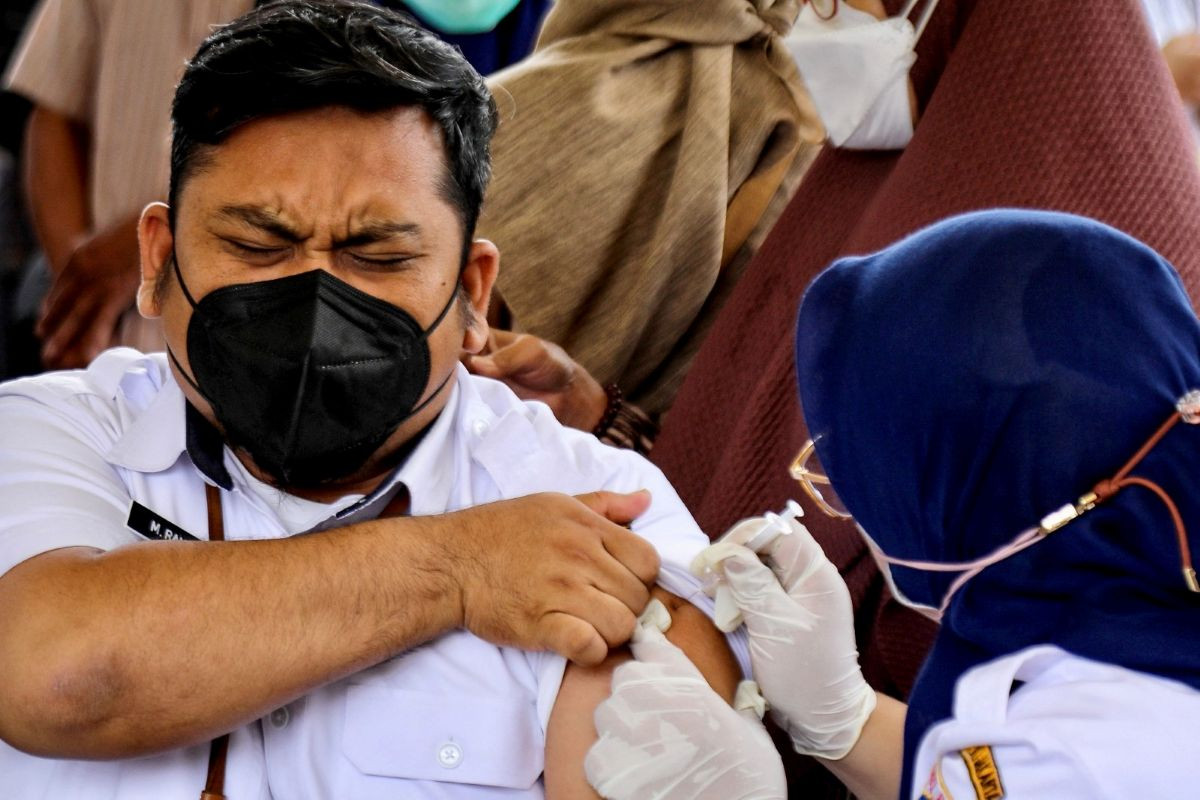 A man reacts as health official delivers the fourth dose of COVID-19 coronavirus vaccine in Jakarta on Jan. 25, 2023. (AFP/Azwar Ipank)
I
n less than a decade, the world has been plunged into a second global crisis. We have barely cleared the shadow of the COVID-19 pandemic before being forced to grapple with the impact of the war-induced energy crisis.
The underlying mechanisms of the two crises differ as the pandemic was more of a labor and demand shock (a sudden, unexpected change in consumer demand) while the fuel crisis is more of a supply-side (a sudden disruption to production).
The striking similarity in both crises is a scarcity mindset: those with means prioritized domestic survival over global stability and the rest struggling to brace for the unfolding and prolonged impact.
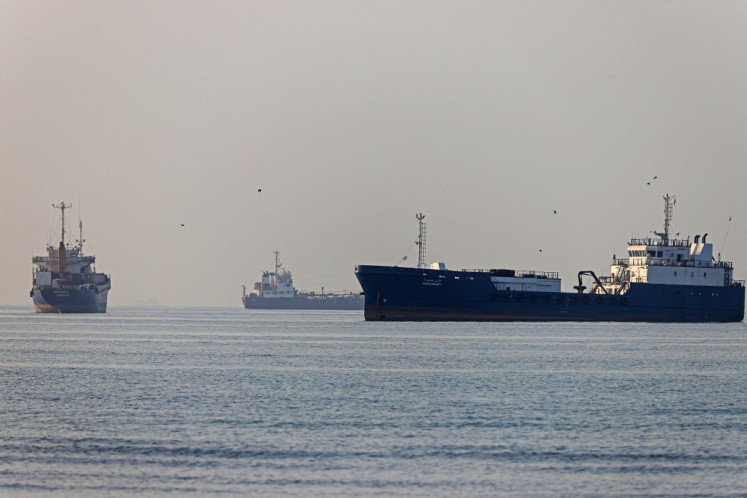
We still remember the “vaccine apartheid” phenomenon where high income countries (16 percent of the global population) bought 60 percent of world supply while the lower income countries received less than 1 percent of initial doses. Today we see some countries “hoarding” the oil because again domestic survival trumps all the cards and there is no formal international law that prohibits a country from maintaining a national oil strategic reserve.
ASEAN’s response to COVID-19 provides a vital strategic blueprint for structural lessons for the region’s response to the current oil crisis. The response evolved from rapid emergency containment to a multiyear recovery strategy, which has now transitioned into a permanent institutional architecture for future pandemic preparedness.
In just a few months after the initial outbreaks, the region put in place the following instruments.

First, the emergency response instruments. A COVID-19 Response Fund was established in April 2020 to serve as a pool of resources (financial and in-kind) from member states and external partners to purchase medical supplies and fund research. The ASEAN Regional Reserve of Medical Supplies was then announced in November 2020 as a stockpile of essential items to be mobilized during surges. Moreover, the Standard Operating Procedures (SOP) for public health emergencies (PHE) was agreed as a regional protocol to ensure coordinated border management and health screening during PHE.