The Jakarta Post
Please Update your browser
Your browser is out of date, and may not be compatible with our website. A list of the most popular web browsers can be found below.
Just click on the icons to get to the download page.


Popular Reads
Top Results
No results found. Please check your search term and try again
Can't find what you're looking for?
View all search results
Popular Reads
Top Results
No results found. Please check your search term and try again
Can't find what you're looking for?
View all search resultsFrom sovereignty to accountability: Southeast Asia’s ICC moment
The case signals that Southeast Asia’s long-standing reliance on sovereignty and non-interference is increasingly colliding with growing demands for accountability.
Change text size
Gift Premium Articles
to Anyone
Share the best of The Jakarta Post with friends, family, or colleagues. As a subscriber, you can gift 3 to 5 articles each month that anyone can read—no subscription needed!
 Set as preferred source
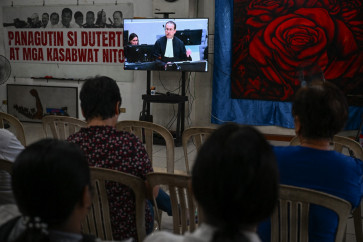
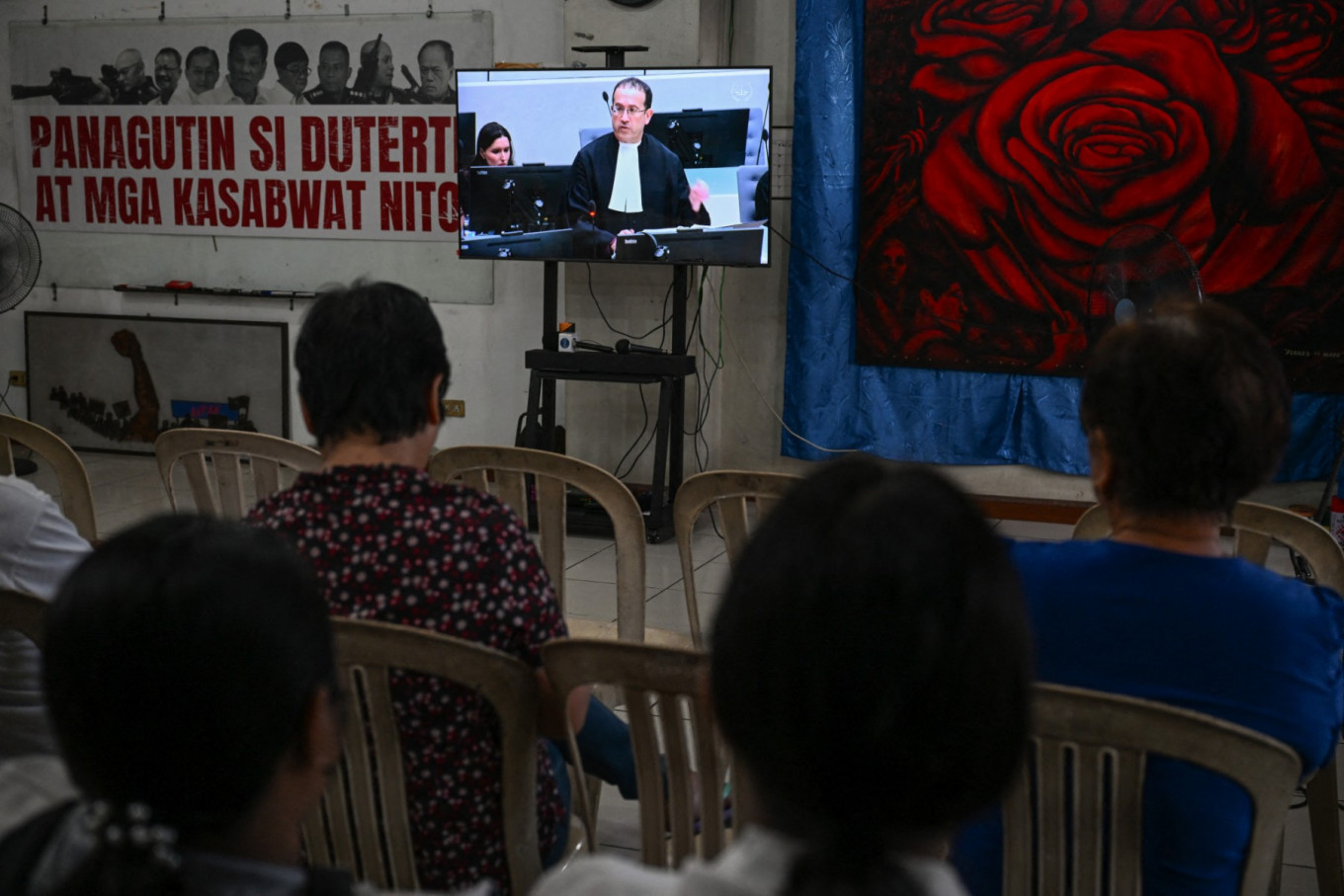 Families of victims in extrajudicial killings of former Philippine president Rodrigo Duterte's drug war watch a live stream on Feb. 26 of Duterte's confirmation hearing from The Hague, in Quezon City, Metro Manila. (AFP/Jam Sta Rosa)
F
ormer Philippines president Rodrigo Duterte is moving toward a full trial before the International Criminal Court (ICC) in The Hague, the Netherlands, over crimes against humanity linked to his deadly “war on drugs”. On April 23, ICC Pre-Trial Chamber I confirmed three counts of crimes against humanity for murder, finding substantial grounds to believe he played a key role in thousands of killings.
A day earlier, the ICC Appeals Chamber rejected Duterte’s challenge to the Court’s jurisdiction, ruling that the ICC retains authority over crimes allegedly committed while the Philippines was still a member of the Rome Statute, despite Manila’s withdrawal in 2019. The case has now moved to Trial Chamber III.
On May 12, the ICC also unsealed an arrest warrant against senator Ronald “Bato” dela Rosa, Duterte’s former police chief and a key architect of the anti-drug campaign.
For the first time, a former Southeast Asian leader and his closest security ally are being pursued through the international criminal justice system. More fundamentally, the case signals that Southeast Asia’s long-standing reliance on sovereignty and non-interference is increasingly colliding with growing demands for accountability.
During Duterte’s anti-drug campaign, thousands were killed, yet domestic institutions largely failed to seriously investigate the violence. Victims’ families and human rights groups turned to international mechanisms because domestic avenues for justice appeared blocked or ineffective.
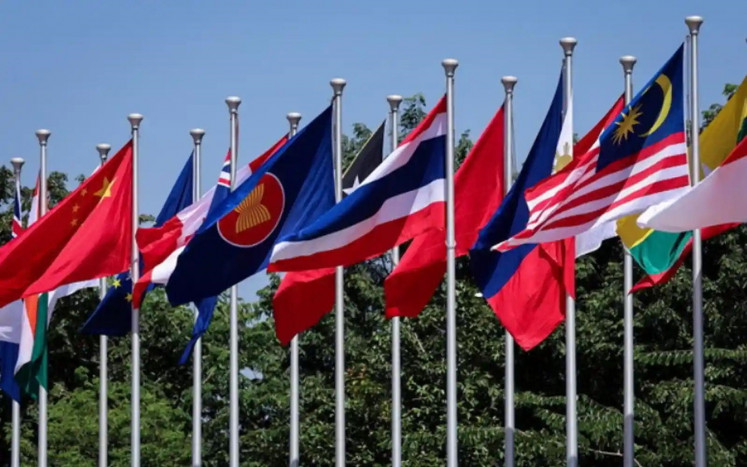
This is an uncomfortable reality not only for the Philippines, but for ASEAN as a whole.

For decades, Southeast Asian governments have viewed international justice with deep suspicion. Many governments argue that international courts threaten national independence or represent external interference in domestic affairs. As a result, Southeast Asia remains one of the least represented regions in the ICC system.