The Jakarta Post
Please Update your browser
Your browser is out of date, and may not be compatible with our website. A list of the most popular web browsers can be found below.
Just click on the icons to get to the download page.


Popular Reads
Top Results
No results found. Please check your search term and try again
Can't find what you're looking for?
View all search results
Popular Reads
Top Results
No results found. Please check your search term and try again
Can't find what you're looking for?
View all search resultsRisky reawakening of state-controlled commodity exports
it remains to be seen whether President Prabowo’s ambitious "single window" export policy will turn Indonesia into a global price maker, or will tight state centralization trigger a historic crisis of market trust.
Change text size
Gift Premium Articles
to Anyone
Share the best of The Jakarta Post with friends, family, or colleagues. As a subscriber, you can gift 3 to 5 articles each month that anyone can read—no subscription needed!
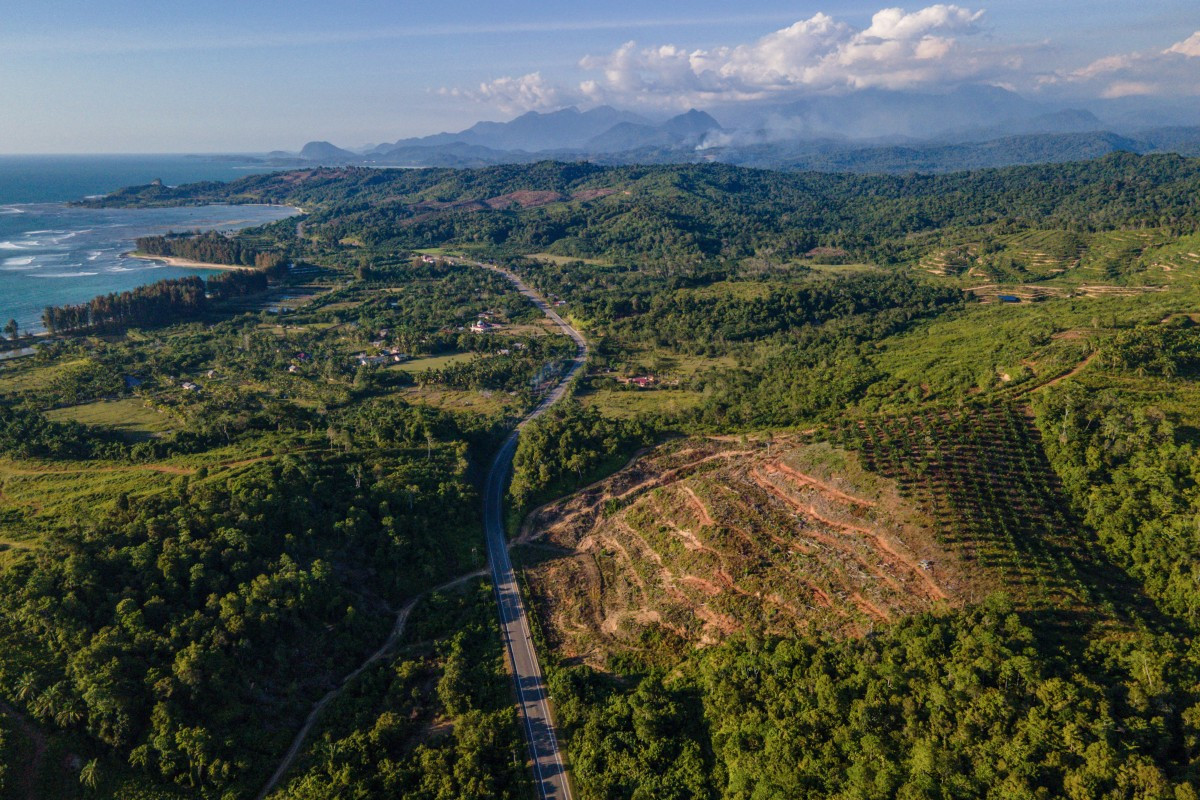 A new planting area for palm oil plantations is seen in Lamno village, Aceh Jaya regency, Aceh on Jan. 18, 2026. (AFP/Chaideer Mahyuddin)
P
resident Prabowo Subianto appears to be doing more than simply streamlining the export trade system. Through the “single window” policy for natural resource commodities, the state is taking a far-reaching step: asserting control over foreign exchange flows, trade and Indonesia’s bargaining position in the global market.
The problem is that history shows such centralization ambitions often result in market distortions and crises of confidence. There are moments when a policy sounds administrative on the surface but harbors far greater political-economic implications beneath.
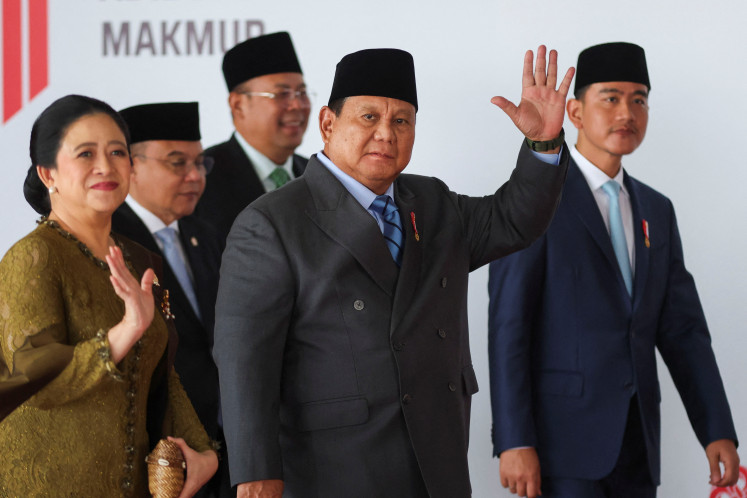
President Prabowo’s recent speech at the Senayan Legislative Complex in Central Jakarta, falls squarely into that category. Through the latest Government Regulation on the Management of Natural Resource Commodity Exports, the government is not merely introducing new rules; the state is shifting its perspective on strategic commodities from mere revenue sources to instruments of national economic control.
The regulations are strict and strike directly at the heart of the legacy trade system. Major commodities such as crude palm oil (CPO), coal and ferrous alloys can no longer be exported directly by private businesses. All export flows must now pass through a single gateway via a state-owned enterprise (SOE) designated by the government.
The president referred to this mechanism as a “marketing facility”, a national marketing platform that aggregates commodities, sells them to global markets and returns the proceeds to exporters. On paper, the concept seems simple and even rational. The state is stepping in to streamline a system that has long been riddled with inefficiencies.
But the market never interprets policy solely through its official language. Industry players understand that this seemingly administrative term actually harbors structural changes: the state aims to penetrate deeper into a space previously dictated by market mechanisms. When the state begins speaking of a “single window”, Indonesia’s economic history automatically brings old archives to mind.

To be fair, the government has an argument that is difficult to fully refute. Under-invoicing exports has long been a chronic problem. Export prices are reported lower than their actual value, foreign exchange evaporates out of the domestic system, and taxes and royalties are lost, leaving the state with only a fraction of the actual trade value.