The Jakarta Post
Please Update your browser
Your browser is out of date, and may not be compatible with our website. A list of the most popular web browsers can be found below.
Just click on the icons to get to the download page.


Popular Reads
Top Results
No results found. Please check your search term and try again
Can't find what you're looking for?
View all search results
Popular Reads
Top Results
No results found. Please check your search term and try again
Can't find what you're looking for?
View all search results2019-presidential-election
Editorial 7 years ago
Violence begets violence
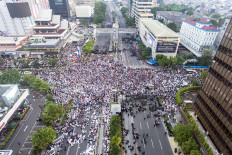
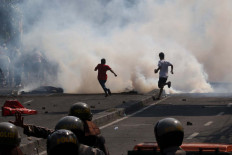
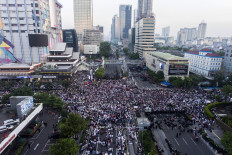
There must be déjà vu among the many Jakartans who witnessed and endured the horror of the May 1998 riots, after seeing the wave of acts of violence that shrouded the city since Tuesday evening. What happened in the past two days could hardly rival the tragedy 21 years ago, but the two events have much in common, particularly in spreading fear.
Opinion 7 years ago
PREMIUM
2019’s real winner: Stigma of human right victims
For Indonesians concerned about human rights issues in Indonesia, this year’s election provided a disappointing choice between a former general suspected of gross human rights abuses and a civilian with a much cleaner past, but who has not kept his promises on human rights.
Opinion 7 years ago
PREMIUM
Is our democracy in danger?
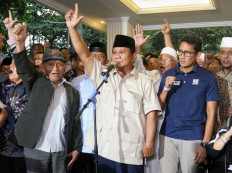
Prabowo asserted that he will continue to mobilize people power against the “deception” infecting the democratization process. The current controversy raises two serious legal questions. First, is the people power movement, as the government has alleged, treasonous? Second, does the government response to the movement threaten to muzzle our democracy and contravene Indonesians’ human rights?
Opinion 7 years ago
Testing democratic resilience: Free speech versus freedom from fear
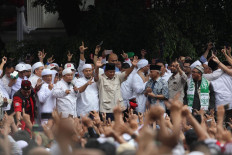
Indonesia’s democracy faces a big litmus test on Wednesday when the General Elections Commission (KPU) is scheduled to announce the results of the April 17 election amid plans for massive protests by the camp of Prabowo Subianto.
Opinion 7 years ago
PREMIUM
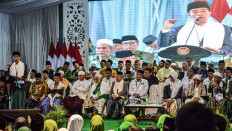
Ma’ruf and NU factor
During the campaign period, the rhetoric that NU members should vote for Jokowi because his running mate was a former NU supreme leader was frequently uttered by NU leaders both on the central board and in the NU’s vast network of pesantren (Islamic boarding schools).
Editor's Picks
Popular
- Not the Ministry of Magic
- PISA gains belie Indonesia’s persistent education crisis
- Safeguarding Indonesia's AI future
- Recentralization concerns in fiscal, education heighten
- Suahasil seen to prioritize fiscal discipline, continuity
- Jakarta water shortages worsen as dry season drags on
- Twenty years on, BRICS faces a defining choice
- Hundreds of flights cancelled as Typhoon Dujuan nears Japan
- Court decision tightens House oversight on free meals funding
- Indonesia doing 'everything' but struggling to curb fires


