The Jakarta Post
Please Update your browser
Your browser is out of date, and may not be compatible with our website. A list of the most popular web browsers can be found below.
Just click on the icons to get to the download page.


Popular Reads
Top Results
No results found. Please check your search term and try again
Can't find what you're looking for?
View all search results
Popular Reads
Top Results
No results found. Please check your search term and try again
Can't find what you're looking for?
View all search resultsojk


Economy 2 days ago
PREMIUM
Pension still an afterthought for informal workers despite govt push
The government says pension fund coverage must be extended to include Indonesia’s massive informal sector and lift up the sluggish industry, but the push is constrained by low awareness and unstable incomes.


Regulations 2 weeks ago
PREMIUM
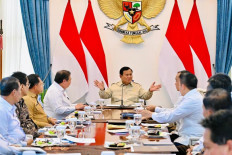
Govt earmarks Rp 11 trillion to open 200 million new personal bank accounts
Making good on an initiative the President first unveiled last March, the government has earmarked Rp 11 trillion to open 200 million individual bank accounts with an initial deposit of Rp 50,000 each to improve financial inclusion across the country.

Markets 3 weeks ago
Indonesia's global commodities price-setting ambition risks backfiring
The exchange, scheduled for launch next year, is President Prabowo Subianto's latest initiative to expand state influence over natural resources in a country that is the biggest global supplier of palm oil, nickel and thermal coal and a major source of copper and bauxite.


Markets 3 weeks ago
PREMIUM
IDX begins trial to lower stock price floor to Rp 1
The Indonesia Stock Exchange (IDX) has started trials with exchange members to drop the minimum stock price floor from Rp 50 (0.28 US cents) to just Rp 1, ensuring readiness among the members and securities firms for the upcoming changes.

Politics 1 month ago
Mandiri freezing of protester’s account raises alarm over civic freedom
Bank Mandiri’s freezing of a protest coordinator’s account has drawn strong criticism from civil society groups, which have warned the move restricts civic freedoms and could erode public trust in the state-owned lender.
Editor's Picks
Popular
- Recentralization concerns in fiscal, education heighten
- Safeguarding Indonesia's AI future
- Twenty years on, BRICS faces a defining choice
- Indonesia calls for more representative UN amid changing world order
- Court decision tightens House oversight on free meals funding
- Indian arrested for smuggling gold bars to Thailand via N. Sumatra airport
- Agrarian reform bill gets mixed reaction
- Singapore’s BDx launches 640MW data center project in West Java
- ASEAN warms to BRICS without sacrificing centrality
- Crew member from missing Anak Krakatau boat identified


