TheJakartaPost
Please Update your browser
Your browser is out of date, and may not be compatible with our website. A list of the most popular web browsers can be found below.
Just click on the icons to get to the download page.


Popular Reads
No popular reads data found
Top Results
No results found. Please check your search term and try again
Can't find what you're looking for?
View all search results
Popular Reads
No popular reads data found
Top Results
No results found. Please check your search term and try again
Can't find what you're looking for?
View all search resultsRohingya

Academia 1 week ago
PREMIUM
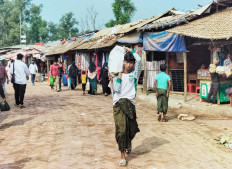
Refugee women’s voices matter in reforming Indonesia’s refugee policy
As Indonesia reviews its decade-old regulation on refugee management, the fiction of "temporary transit" has collapsed into the harsh reality of prolonged displacement. Reforming this framework is no longer just a matter of immigration security but an urgent humanitarian necessity to protect vulnerable refugee women from systemic exploitation and legal invisibility.
Academia 1 week ago
PREMIUM
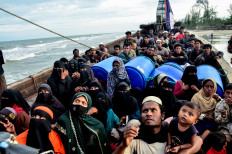
Time for Indonesia to end constructive refoulement practice
As global anti-immigrant sentiment rises, Indonesia’s strict ban on refugee employment is creating a crisis of "constructive refoulement", robbing displaced people of their dignity and forcing an urgent need for legal reform.

Asia & Pacific 2 months ago
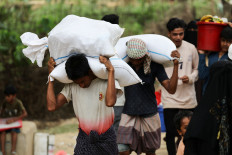
Scarce food, bleak futures spur Rohingya refugees to gamble with death at sea
Hundreds of Rohingya refugees die en route from hunger or accidents at sea, but the numbers keep growing as shrinking food rations caused by dwindling international aid push yet more to make the dangerous crossing.


Academia 2 months ago
PREMIUM
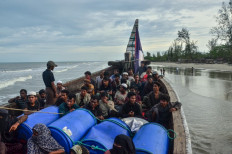
Justice sans borders: Southeast Asia’s bold stand against Myanmar junta
While traditional diplomacy falters in the face of Myanmar’s military violence, a quiet legal revolution is brewing in Southeast Asia: By turning to domestic courts in Timor-Leste and Indonesia, survivors are testing a bold, universal legal theory to ensure that victims of mass atrocities finally have their day in court.
Asia & Pacific 2 months ago
PREMIUM
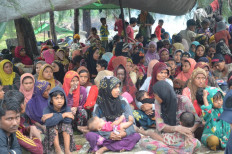
Activists pin hopes on Indonesia to hold Myanmar's new president accountable for genocide
Rohingya activists and legal advocacy groups are pinning their hopes on Indonesia’s new penal code to push forward a genocide case against Myanmar's newly-elected President Min Aung Hlaing, in what they say could be a long-awaited breakthrough for accountability.