The Jakarta Post
Please Update your browser
Your browser is out of date, and may not be compatible with our website. A list of the most popular web browsers can be found below.
Just click on the icons to get to the download page.


Popular Reads
Top Results
No results found. Please check your search term and try again
Can't find what you're looking for?
View all search results
Popular Reads
Top Results
No results found. Please check your search term and try again
Can't find what you're looking for?
View all search resultscashless-payment
Economy 3 years ago
PREMIUM
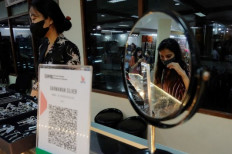
Three payment evolutions as Indonesia goes cashless
Indonesia’s financial services industry is experiencing accelerated digitization. Bank Indonesia (BI) and entities such as the Indonesian Payment System Association (ASPI) are behind major developments in the non-cash payments sector, aimed at driving financial inclusion at large.
Business 5 years ago
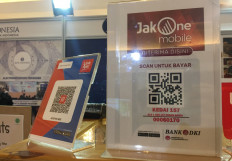
Bank Indonesia aims to double QRIS usage among small businesses, boost cashless payment
BI Governor Perry Warjiyo said on Monday that the central bank aimed to expand the use of QRIS to around 12 million micro, small and medium enterprises (MSMEs) this year from 5.8 million last year. The move is expected to support the recovery of the coronavirus-battered economy.

Business 5 years ago
Payment platforms should help SMEs go digital: McKinsey
“In helping SMEs to digitalize, payment services can offer value-added services such as loyalty programs, digital marketing and payroll processing,” Reet Chaudhuri, a senior expert at McKinsey said during a press briefing on Oct. 2.

Business 6 years ago
PayPal says 86% profit jump flags shift from cash payments in stores
Payments processor PayPal Holdings Inc said on Wednesday that a surge in e-commerce transactions and new accounts that drove quarterly profits 86 percent higher was continuing and would support additional investments in mobile-payment tools.
Business 6 years ago
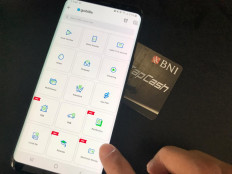
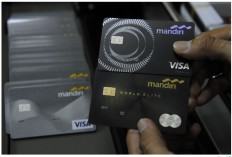
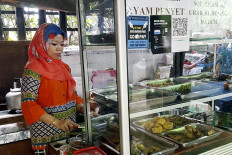
Bank Indonesia makes push to bring street vendors to world of cashless payments
Bank Indonesia launched the QRIS system in August last year and officially implemented the system in January, allowing users from single-payment service providers to transact with others who operate within the BI ecosystem.

Editor's Picks
Popular
- Much ado about asset forfeiture
- Mass poisonings cast doubt on free meals reforms
- Indonesia, China eye cooperation to boost 3 million homes program
- Prabowo sacks Purbaya, turns to familiar hand at Finance Ministry
- Children are no longer the priority, were they ever?
- The benefit of the doubt has expired
- Australian woman dies after falling from cliff at Bali’s Kelingking Beach
- Purbaya ousted after clash with Prabowo's ex-army colleague, sources say
- Wildfire breaks out again at Mount Bromo
- Purbaya says he was 'upset', but half expected removal


