TheJakartaPost
Please Update your browser
Your browser is out of date, and may not be compatible with our website. A list of the most popular web browsers can be found below.
Just click on the icons to get to the download page.


Popular Reads
No popular reads data found
Top Results
No results found. Please check your search term and try again
Can't find what you're looking for?
View all search results
Popular Reads
No popular reads data found
Top Results
No results found. Please check your search term and try again
Can't find what you're looking for?
View all search resultsdemocracy-in-Indonesia

Editorial 5 years ago
How democracy dies
The irony in Indonesia’s situation is that the intensified attacks on democratic norms and institutions took place especially in the past five years, during the administration of President Joko “Jokowi” Widodo, who was once hailed as the new face of Indonesian democracy. Jokowi is by no means responsible for the decline of Indonesian democracy, but he did very little to arrest the regression, while some of his policies have certainly helped members of the elite that helped catapult him into the presidency.
National 5 years ago
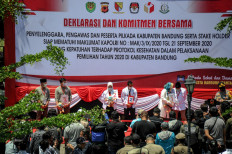
KPU officially bans crowd puller events for December regional polls
The General Elections Commission (KPU) has banned crowd-pulling activities during the campaign trails in the upcoming simultaneous regional polls following concerns of heightened COVID-19 transmission in the country.
National 5 years ago
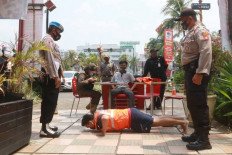
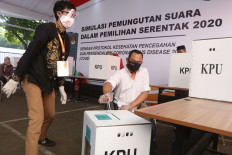
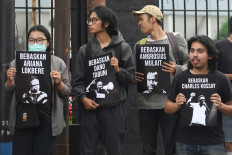
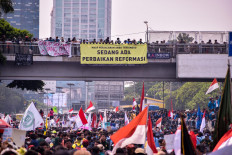
Public faith in democracy bounces back after COVID-19 slump: Survey
The survey, which polled 2,202 respondents nationwide from August 12 to 15, found that 67 percent of respondents were satisfied with democracy in Indonesia, while 71 percent believed that democracy was the best form of government.

National 5 years ago
'Unhealthy in a democracy': Concerns mount over govt using 'influencers' to promote policies
Antigraft and human rights activists have raised concerns over the government's use of social media "influencers" to promote its policies, demanding transparency over the partnership amid fears that it could be misused to sway public opinion on problematic issues.
National 5 years ago
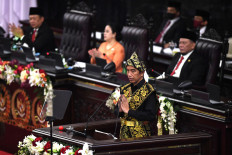
'No one should be self-righteous': Jokowi emphasizes democracy, tolerance in annual address
“Democracy guarantees freedom, but it is only for freedom that respects other people’s rights. No one should be self-righteous and blame others. No one should think of themselves as the most religious,” President Jokowi has said.