The Jakarta Post
Please Update your browser
Your browser is out of date, and may not be compatible with our website. A list of the most popular web browsers can be found below.
Just click on the icons to get to the download page.


Popular Reads
Top Results
No results found. Please check your search term and try again
Can't find what you're looking for?
View all search results
Popular Reads
Top Results
No results found. Please check your search term and try again
Can't find what you're looking for?
View all search resultsfreedom-of-expression
Politics 4 weeks ago
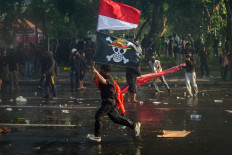
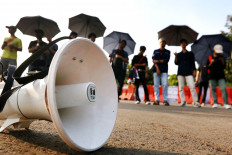
Mandiri freezing of protester’s account raises alarm over civic freedom
Bank Mandiri’s freezing of a protest coordinator’s account has drawn strong criticism from civil society groups, which have warned the move restricts civic freedoms and could erode public trust in the state-owned lender.
Jakarta 1 month ago
PREMIUM
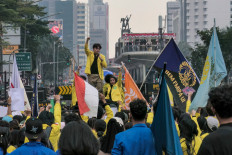
Jakarta police plan to limit protest sites draws backlash
The Jakarta Police’s plan to prohibit public protests at the Hotel Indonesia Hotel traffic circle has drawn strong opposition from students and activists, who have described the move as “unlawful” and warned that it could further restrict freedom of expression.
Politics 1 month ago
PREMIUM
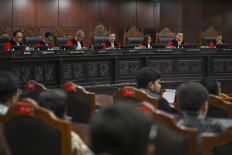
Activists remain wary as court narrows presidential insult provisions
The Constitutional Court’s recent ruling that alleged insults against the president or vice president can only be prosecuted upon their complaint has not quieted fears for free speech amid growing intimidation of critics.
Politics 1 month ago
PREMIUM
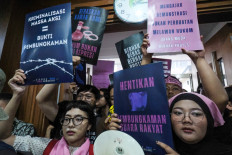
Prison term sought for Riau student activist over edited protest post
University of Riau student Khariq Anhar allegedly committed an unlawful act by altering a news article headline that prosecutors deem contributed to August 2025 anti-government protests that led to nationwide unrest.
Politics 1 month ago
PREMIUM
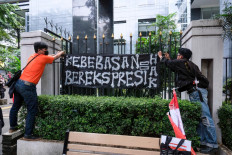
Arrests over posts on Prabowo’s Iran remark raise free speech alarm
The two men were arrested over online comments about the President's controversial remark on Iran’s nuclear capability, which the police allege breach certain provisions on provocation and incitement in the ITE Law.

Editor's Picks
Popular
- Not the Ministry of Magic
- PISA gains belie Indonesia’s persistent education crisis
- Safeguarding Indonesia's AI future
- Suahasil seen to prioritize fiscal discipline, continuity
- Hundreds of flights cancelled as Typhoon Dujuan nears Japan
- Twenty years on, BRICS faces a defining choice
- Jakarta water shortages worsen as dry season drags on
- Recentralization concerns in fiscal, education heighten
- Indonesia doing 'everything' but struggling to curb fires
- Indonesia prepares for new era of naval power


