The Jakarta Post
Please Update your browser
Your browser is out of date, and may not be compatible with our website. A list of the most popular web browsers can be found below.
Just click on the icons to get to the download page.


Popular Reads
Top Results
No results found. Please check your search term and try again
Can't find what you're looking for?
View all search results
Popular Reads
Top Results
No results found. Please check your search term and try again
Can't find what you're looking for?
View all search resultsmining
Society 10 months ago
PREMIUM
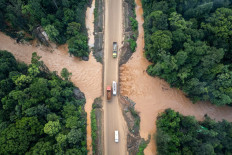
Forest under threat as corporations, military gain power under Prabowo
One year into President Prabowo Subianto’s administration, environmental watchdogs warn of a deepening ecological crisis fueled by elite business interests and an expanding military role in natural resource management.
Companies 11 months ago
PREMIUM
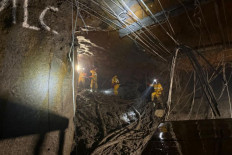
Freeport recovers five more bodies, ending rescue efforts at Grasberg mine
The mining giant recovered on Sunday the bodies of five remaining workers who went missing on Sept. 8, bringing an end to a nearly monthlong search and rescue effort for seven total workers, all confirmed deceased.
Archipelago 11 months ago
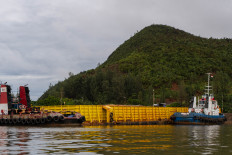
Nickel mining threatens Indonesia coral haven, NGOs warn
Analysis of recent and historic mining in the region showed a "domino effect of destruction," ranging from deforestation on land to sediment run-off smothering coral reefs, the report by NGOs Auriga Nusantara and Earth Insight said.
Regulations 1 year ago
PREMIUM
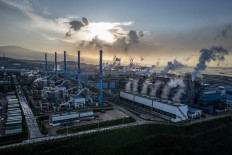
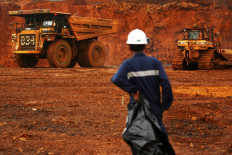
New pricing rule offers miners little relief from profit pinch
Industry experts have bemoaned the latest rule on coal and mineral sales, which maintains the government-set benchmark prices for calculating royalties and taxes despite allowing more pricing flexibility, burdening miners with a widening gap between sales prices and royalties as global rates fall.
Markets 1 year ago
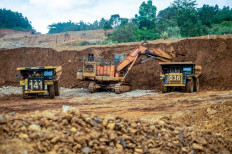
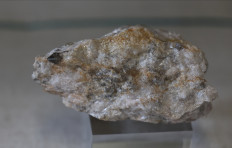
Australia considering price floor to support critical minerals projects
Australia is considering setting a price floor to support critical minerals projects, including rare earths, Resources Minister Madeleine King said, in comments that led to a jump in share prices for Australian-listed rare earths miners.
Editor's Picks
Popular
- Malaysia must not breathe Indonesia’s governance failure
- Mass poisonings cast doubt on free meals reforms
- New data rules could unlock cross-border data flows
- The state's new muscle
- Jakarta airport and others reopen after volcanic ash crisis
- Anak Krakatau eruption halts flights, schools, fishing
- Soekarno-Hatta airport extends closure after Anak Krakatau eruption
- Barelang Police, Japanese diplomat hold meeting on Batam security
- Travelers scramble as Anak Krakatau ash exposes gaps in contingency plans
- Jakarta international airport extends closure after Anak Krakatau eruption


