The Jakarta Post
Please Update your browser
Your browser is out of date, and may not be compatible with our website. A list of the most popular web browsers can be found below.
Just click on the icons to get to the download page.


Popular Reads
Top Results
No results found. Please check your search term and try again
Can't find what you're looking for?
View all search results
Popular Reads
Top Results
No results found. Please check your search term and try again
Can't find what you're looking for?
View all search resultsmining
Markets 1 year ago
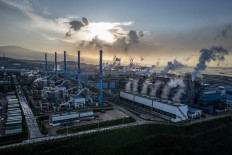
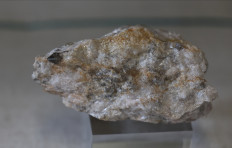
Australia considering price floor to support critical minerals projects
Australia is considering setting a price floor to support critical minerals projects, including rare earths, Resources Minister Madeleine King said, in comments that led to a jump in share prices for Australian-listed rare earths miners.
Economy 1 year ago
PREMIUM
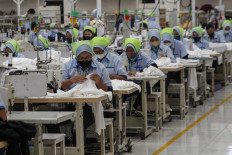
Layoffs surge in manufacturing, retail, govt data suggest
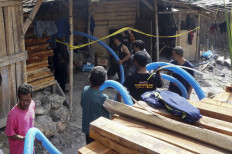
The latest release of manpower data shows that the manufacturing, retail and mining sectors recorded the sharpest rise in job losses over the six months to June, with Central Java leading the provinces most affected by layoffs.
Archipelago 1 year ago
PREMIUM
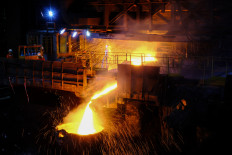
Limestone mine endangers environment on Maluku’s Kei Besar Island
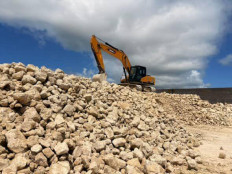
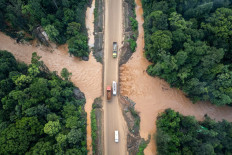
Mining activities at a limestone quarry are threatening lives and the environment on Kei Besar Island through a higher risk of flooding and landslides as well as disruption to fishing communities, not to mention increased marginalization of islanders.
Society 1 year ago
PREMIUM
The long, suspenseful journey to Indonesia's nickel 'paradise'
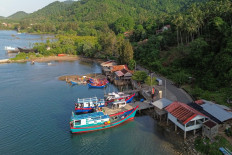
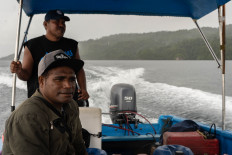
The Jakarta Post's recent trip to Raja Ampat late last month revealed the complex currents rippling and colliding beneath the mining versus tourism issue, conflated by environmental and indigenous concerns surrounding the global marine haven in the country's far-flung, easternmost region.
Society 1 year ago
PREMIUM
Tension and grievances in Raja Ampat
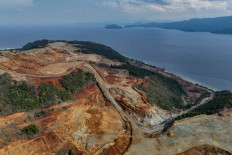
A government study in 2022 estimated that a deposit of 482 million tonnes of nickel ore can be found under the calm waters of Raja Ampat, Southwest Papua. The Jakarta Post visits the archipelago to delve into a recent mining controversy that has triggered tension among residents and damaged the environment.
Editor's Picks
Popular
- Mass poisonings cast doubt on free meals reforms
- Much ado about asset forfeiture
- New data rules could unlock cross-border data flows
- Children are no longer the priority, were they ever?
- Indonesia, Hong Kong to host new 14-team FIFA ASEAN Cup
- Free meals face seven-day ultimatum, possible lawsuit
- Assessing the merit of the strategic commodities bill
- Prabowo’s approval slide fuels warm-up to 2029 elections
- Volcanic eruptions take toll on economy
- Osama the gamer: A list of Bin Laden’s video games from his hard drive


