The Jakarta Post
Please Update your browser
Your browser is out of date, and may not be compatible with our website. A list of the most popular web browsers can be found below.
Just click on the icons to get to the download page.


Popular Reads
Top Results
No results found. Please check your search term and try again
Can't find what you're looking for?
View all search results
Popular Reads
Top Results
No results found. Please check your search term and try again
Can't find what you're looking for?
View all search resultsIran threatens US-linked oil targets after Trump says Kharg bombed
Trump had also threatened to hit the island's oil infrastructure if Tehran did not allow passage for ships via the strategic Strait of Hormuz, through which a fifth of global crude oil and liquefied natural gas normally pass.
Change text size
Gift Premium Articles
to Anyone
Share the best of The Jakarta Post with friends, family, or colleagues. As a subscriber, you can gift 3 to 5 articles each month that anyone can read—no subscription needed!
 Set as preferred source
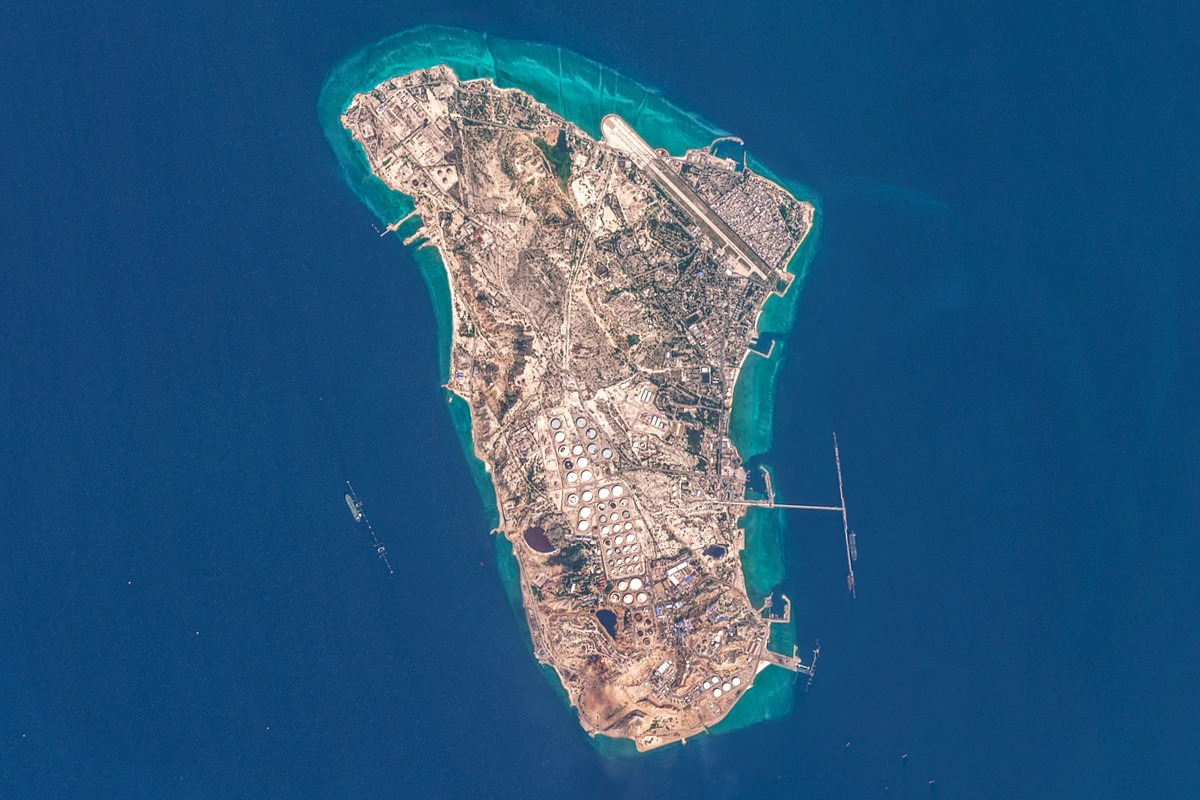 This handout image taken on March 7, 2026 by the European Space Agency (ESA) captured by the Copernicus Sentinel-2 satellite shows a view of Iran's Kharg Island, which hosts the country's main crude export terminal and is responsible for the overwhelming majority of its oil shipments to the world, about 30 kilometres south of the mainland in the north of the Gulf. The island handles roughly 90 percent of Iran's crude exports, according to a JP Morgan note released on March 8. (AFP/Handout/European Space Agency (ESA))
I
ran's armed forces threatened on Saturday to destroy United States-linked oil infrastructure after President Donald Trump said the US forces had bombed Iran's oil hub Kharg Island.
The military's Al-Anbiya Central Headquarters said in a statement cited by Iranian media that oil and energy infrastructure belonging to firms that cooperated with the US would "immediately be destroyed and turned into a pile of ashes" if Iran's energy facilities were attacked.
The announcement, reported by Iran's Fars and Tasnim news agencies, was in "response to statements" made by the US president who had earlier said in a social media post that strikes had "obliterated" military targets on Kharg Island.
Trump had also threatened to hit the island's oil infrastructure if Tehran did not allow passage for ships via the strategic Strait of Hormuz, through which a fifth of global crude oil and liquefied natural gas normally pass.
Kharg Island, located around 30 kilometers off the Iranian mainland, handles roughly 90 percent of Iran's crude exports, according to a recent JP Morgan note.
The war has sparked chaos in global markets and sent oil prices soaring.
Iranian strikes have all but halted maritime traffic in the Strait of Hormuz, leaving investors and governments globally nervous about the risk of dwindling energy supply and higher inflation.