The Jakarta Post
Please Update your browser
Your browser is out of date, and may not be compatible with our website. A list of the most popular web browsers can be found below.
Just click on the icons to get to the download page.


Popular Reads
Top Results
No results found. Please check your search term and try again
Can't find what you're looking for?
View all search results
Popular Reads
Top Results
No results found. Please check your search term and try again
Can't find what you're looking for?
View all search resultsCall grows for clearer foreign policy communication in Indonesia
Change text size
Gift Premium Articles
to Anyone
Share the best of The Jakarta Post with friends, family, or colleagues. As a subscriber, you can gift 3 to 5 articles each month that anyone can read—no subscription needed!
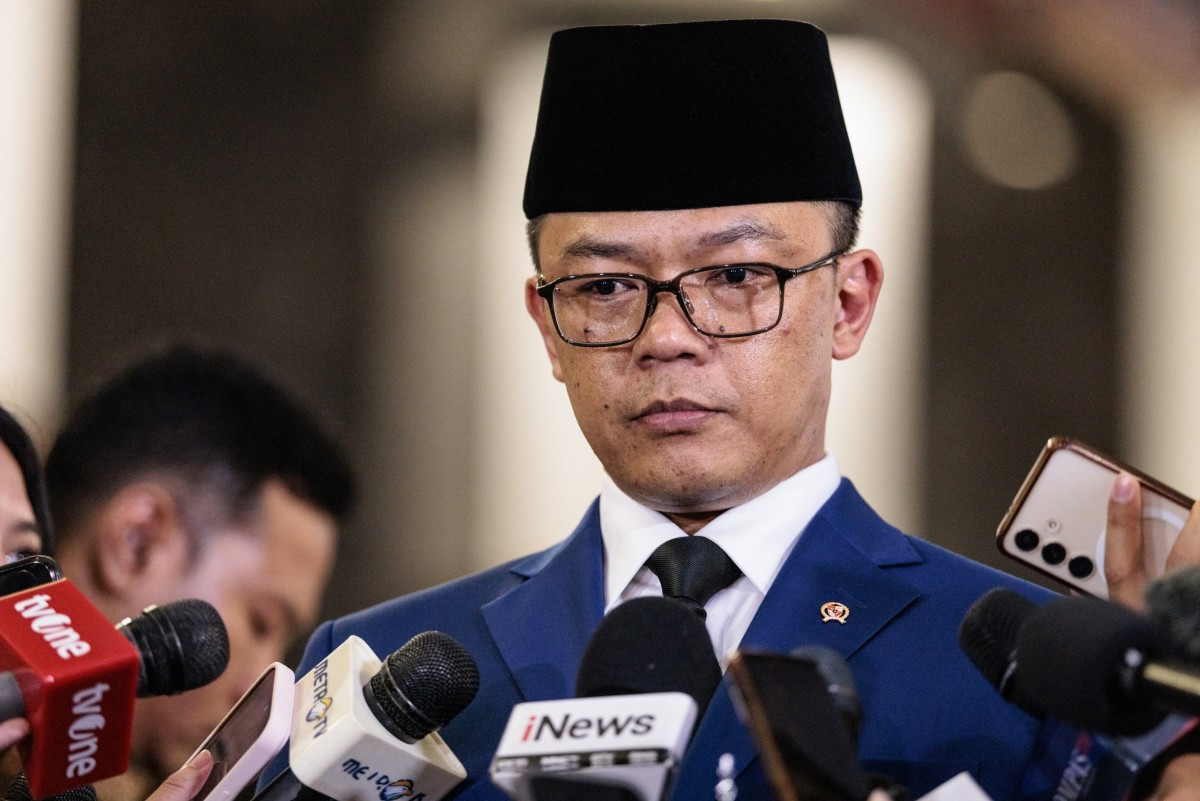 Foreign Minister Sugiono speaks to the media on April 4 following the arrival of the coffins of three Indonesian soldiers killed while serving with the United Nations Interim Force in Lebanon (UNIFIL) at Soekarno-Hatta International Airport in Tangerang. Indonesia received the bodies of three peacekeepers on April 4 who were killed while on deployment in Lebanon and called for security guarantees for blue helmets a day after another three of its soldiers were injured. (AFP/Yasuyoshi Chiba)
L
awmakers have urged the government to improve clarity in its foreign policy communication, warning that unclear messaging risks misinterpretation by international partners and could undermine Indonesia’s long-standing non-aligned position amid growing scrutiny of recent diplomatic moves.
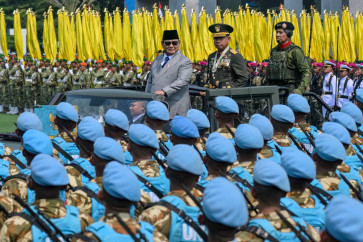
Public attention to Indonesia’s international relations has intensified over the past year under President Prabowo Subianto, as Jakarta, long guided by a “free and active” foreign policy, has expanded its global role through new multilateral engagements and increased presidential diplomacy abroad.
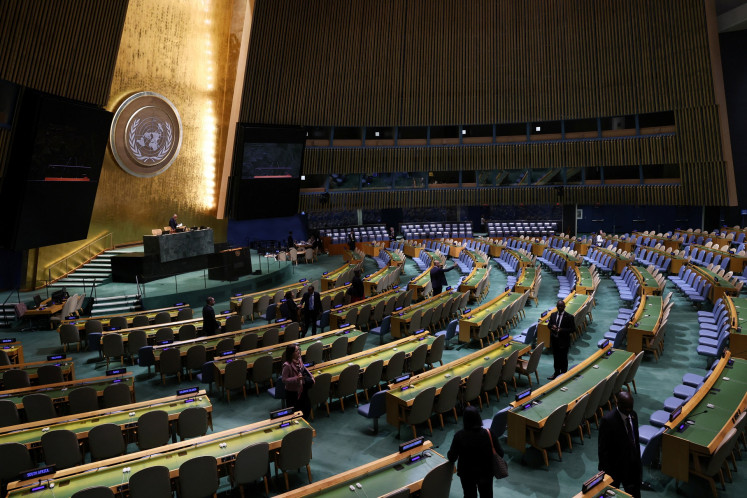
Among the most closely watched developments were Indonesia’s decision last year to join BRICS, widely seen as a counterweight to the Western-led global order, and its controversial January entry into the United States-initiated Gaza reconstruction platform, the Board of Peace, after decades of consistent pro-Palestine diplomacy.
More recently, reports that Jakarta is in talks with Washington over granting the US blanket overflight access has drawn regional attention, with observers questioning whether Indonesia is edging toward closer alignment with Washington.
While expressing support for the government’s foreign policy choices, House of Representatives Commission I chairman Utut Adianto, who oversees foreign affairs and defense, warned of potential misinterpretations abroad and called for a more structured communication approach.
“I would not want our partners to get us wrong. We must actively avoid situations where our decisions, for example joining BRICS, are seen as a shift away from our partners, including those in the West,” Utut of the Indonesian Democratic Party of Struggle (PDI-P) said.
“The establishment of a dedicated desk to swiftly handle pressing queries could address an area in need of improvement. Additionally, Foreign Minister [Sugiono] should further devote his attention to the diplomatic corps with full focus,” he continued.