The Jakarta Post
Please Update your browser
Your browser is out of date, and may not be compatible with our website. A list of the most popular web browsers can be found below.
Just click on the icons to get to the download page.


Popular Reads
Top Results
No results found. Please check your search term and try again
Can't find what you're looking for?
View all search results
Popular Reads
Top Results
No results found. Please check your search term and try again
Can't find what you're looking for?
View all search resultsASEAN convenes under shadow of global oil shock
Top officials from across Southeast Asia packed a hectic schedule of back-to-back meetings in Cebu, the Philippines, on Thursday, laying the groundwork for the leaders’ summit while zeroing in on a unified ASEAN response to the Middle East crisis, as fears of a deepening energy crunch hang over the 11-nation bloc.
Change text size
Gift Premium Articles
to Anyone
Share the best of The Jakarta Post with friends, family, or colleagues. As a subscriber, you can gift 3 to 5 articles each month that anyone can read—no subscription needed!
 Set as preferred source
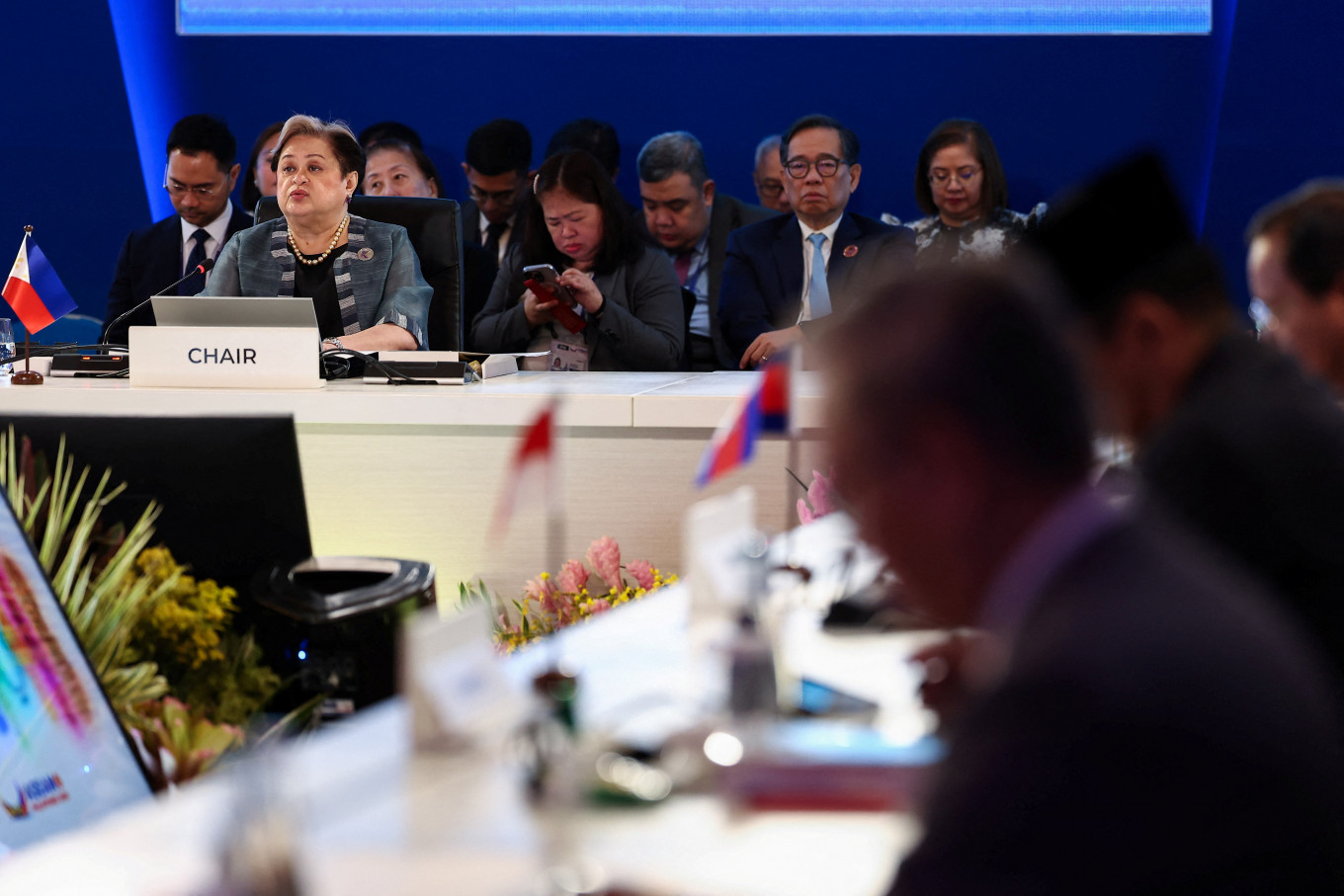 ASEAN chair and Philippine Foreign Minister Maria Theresa Lazaro delivers the opening statement on May 7 during the ASEAN Foreign Ministers' Meeting ahead of the 48th ASEAN Summit and Related Meetings in Cebu City, the Philippines. (Reuters/Eloisa Lopez)
T
op officials from across Southeast Asia packed a hectic schedule of back-to-back meetings in Cebu, the Philippines, on Thursday, laying the groundwork for the leaders’ summit while zeroing in on a unified ASEAN response to the Middle East crisis, as fears of a deepening energy crunch hang over the 11-nation bloc.
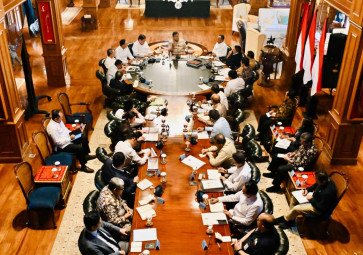
Across a total of five ministerial-level meetings, representatives from the group throughout the day identified and mulled over the regional implications of the Middle East war, formulating response measures on strengthening energy security and ensuring food security, as well as coordinating humanitarian responses.
The Philippines, this year’s ASEAN chair, opened the packed day by flagging its concerns over disruptions to energy supply chains as a result of the conflict, saying the fallout had “necessitated a recalibration of [its] ASEAN hosting commitments”.
“For ASEAN, which imports about 66 percent of its crude oil, this crisis meant significant increase in fuel and energy cost, which eventually led to another to higher prices for agricultural inputs, food and basic commodities,” said Philippine Foreign Minister Maria Theresa Lazaro when opening the Foreign Ministers’ Meeting (AMM) on Thursday morning.
“We approach this meeting with the understanding that navigating uncertainty requires both agility in responding to immediate and pressing challenges, and steadfast commitment in pursuing our long-term goals,” she added.
Global anxiety over the unrelenting Middle East crisis has continued to mount, as disruptions to key supply chains following the closure of the vital Strait of Hormuz near the 70-day mark with no clear sign of easing anytime soon.
On high alert, Southeast Asian nations have for months scrambled to ease the strain, with an April report from the ASEAN Centre for Energy (ACE) showing the region’s oil and gas import bill rising up to US$3.36 billion per month – up 3.4 percent from earlier projections – as crude prices surged from the $60-70 range to well above $100 per barrel.
Your Opinion Matters
Share your experiences, suggestions, and any issues you've encountered on The Jakarta Post. We're here to listen.
Enter at least 30 characters
0
/ 30
Thank you
Thank you for sharing your thoughts. We appreciate your feedback.