TheJakartaPost
Please Update your browser
Your browser is out of date, and may not be compatible with our website. A list of the most popular web browsers can be found below.
Just click on the icons to get to the download page.


Popular Reads
Top Results
No results found. Please check your search term and try again
Can't find what you're looking for?
View all search results
Popular Reads
Top Results
No results found. Please check your search term and try again
Can't find what you're looking for?
View all search resultsAgrinas pushes ahead with Indian car imports despite backlash
State-owned Agrinas claimed that domestic manufacturers were unable to fulfill the large-scale orders within the specified timeframe, while local industry stated otherwise.
Change text size
Gift Premium Articles
to Anyone
Share the best of The Jakarta Post with friends, family, or colleagues. As a subscriber, you can gift 3 to 5 articles each month that anyone can read—no subscription needed!
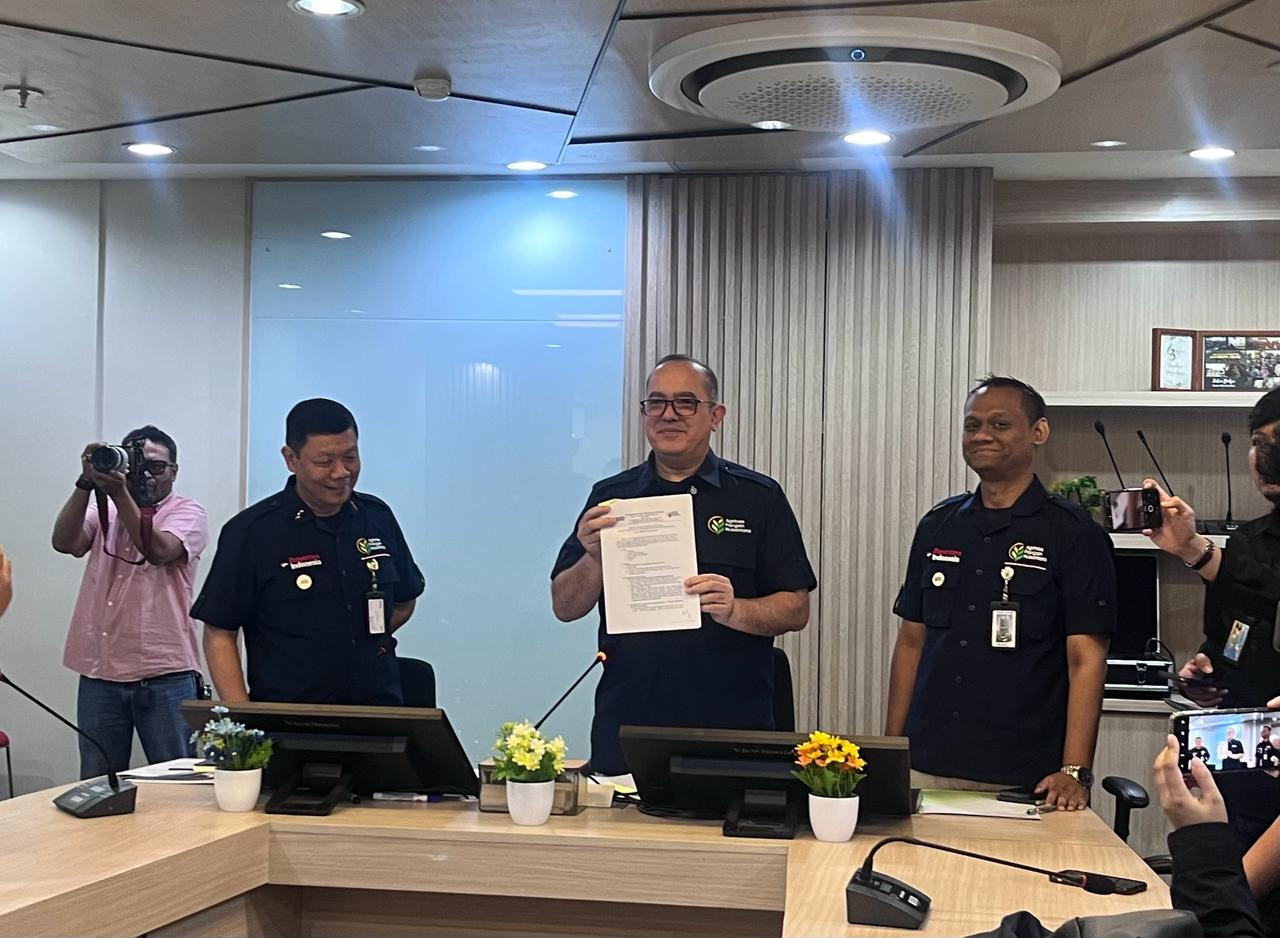 State-owned agriculture firm PT Agrinas Pangan Nusantara president director Joao Angelo De Sousa Mota (center) poses for a picture in a press conference on Feb. 24 while showing a document related to the decision to import 105,000 vehicles from Indian firms Tata Motors and Mahindra. (The Jakarta Post/Ni Made Tasyarani)
S
tate-owned Agrinas Pangan Nusantara has defended its decision to import 105,000 vehicles from Indian companies, insisting the move is “fair” despite mounting backlash from the local automotive industry and government officials.
At a press conference on Tuesday, Agrinas president director Joao Angelo De Sousa Mota outlined the considerations behind the import plan, saying the documents would be submitted to relevant ministries or the House of Representatives if necessary.
Joao explained that the procurement from Indian automotive giants Tata Motors and Mahindra is intended to support the government’s Red and White Cooperatives (KDMP) logistics program, for which Agrinas has been designated as the executor.
Before finalizing the pickup truck import deals, Joao said Agrinas had attempted to negotiate with local producers, including Astra, Isuzu, Mitsubishi and Hino. However, he claimed the domestic manufacturers were unable to fulfill the large-scale orders within the specified timeframe, and their bulk prices were higher than those offered by the Indian companies.
“So, I believe the vehicle procurement from India is quite fair, as we have given the opportunity to all parties, and it turns out our local producers are unable [to meet the demand],” he said.
According to Agrinas, domestic carmakers only have a combined maximum production capacity of 45,000 units that meet the required specifications. This includes 20,600 units from Mitsubishi Fuso, 13,500 units from Foton Aumark, 10,000 units from Hino and 900 units from Isuzu Canter.

To streamline food distribution to the most remote parts of the archipelago, Joao said 4x4 commercial vehicles are required. However, local manufacturers have yet to produce this type, prompting Indonesia to import completely built-up (CBU) units from other countries.