The Jakarta Post
Please Update your browser
Your browser is out of date, and may not be compatible with our website. A list of the most popular web browsers can be found below.
Just click on the icons to get to the download page.


Popular Reads
Top Results
No results found. Please check your search term and try again
Can't find what you're looking for?
View all search results
Popular Reads
Top Results
No results found. Please check your search term and try again
Can't find what you're looking for?
View all search resultsGovt turns to alternative packaging materials, feedstock as plastic prices surge
Plastic producers say the pressure is most acute upstream, where tight raw material supply and surging prices are driving up costs, forcing manufacturers to absorb them while trying to keep production running.
Change text size
Gift Premium Articles
to Anyone
Share the best of The Jakarta Post with friends, family, or colleagues. As a subscriber, you can gift 3 to 5 articles each month that anyone can read—no subscription needed!
 Set as preferred source
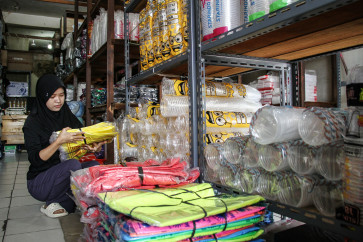
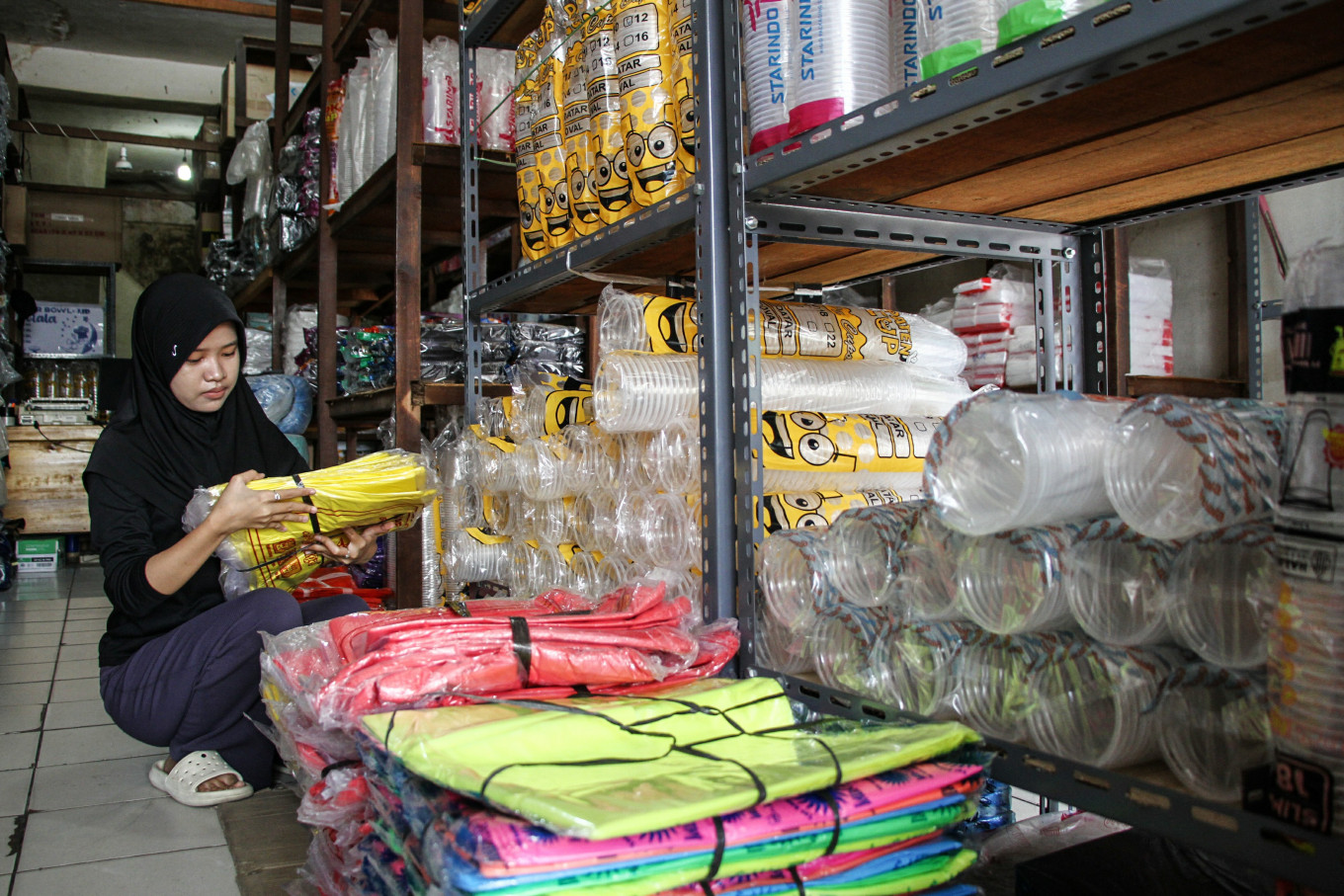 A vendor arranges plastic bags on April 9, 2026, for sale at Toko Dua in Palangka Raya, Central Kalimantan. Prices of plastic-based products surged after the Idul Fitri holiday according to the vendor, rising by about 50 percent, leading to decreased purchasing power among customers. (Antara/Auliya Rahman)
T
he government is scrambling to cushion a surge in plastic prices that is squeezing manufacturers and driving up packaging costs for everyday goods, as disruptions linked to the United States-Israeli war on Iran ripple through the country’s import-dependent petrochemical supply chain.
Concerns are mounting among consumer goods producers, with some estimating that packaging inventories may last only one to two months, although the government says the risks remain largely precautionary.
In response to that, the government is now stepping up efforts to diversify packaging materials and feedstock sources to reduce reliance on imported petrochemicals, said Putu Juli Ardika, acting director general of the agro-industry sector at the Industry Ministry.
“For now, the immediate priority is to secure raw materials, while measures to address price spikes will be worked out later,” Putu said on April 21.
“Most of the concern is tied to raw material availability, though not an immediate shortage of packaging,” Putu added, noting that companies are holding back from passing on full cost increases to avoid dampening demand.
Industry players are turning to alternative materials such as paper, glass, metal and recycled plastics, including recycled polyethylene terephthalate (rPET), according to the ministry.

The annual demand for processed plastics is about 7 million tonnes, with the bulk still reliant on virgin resin. Recycled plastics could supply about 3 million tonnes, while paper-based packaging accounts for about 28 percent demand. Biodegradable packaging remains marginal, with a capacity of only 30,000 to 50,000 tonnes.