The Jakarta Post
Please Update your browser
Your browser is out of date, and may not be compatible with our website. A list of the most popular web browsers can be found below.
Just click on the icons to get to the download page.


Popular Reads
Top Results
No results found. Please check your search term and try again
Can't find what you're looking for?
View all search results
Popular Reads
Top Results
No results found. Please check your search term and try again
Can't find what you're looking for?
View all search resultsCurbing under-16s’ access to fintech, e-commerce could slow adoption
Indonesia started banning social media for children under 16 in March, when the communications ministry named eight platforms that must comply with new rules.
Change text size
Gift Premium Articles
to Anyone
Share the best of The Jakarta Post with friends, family, or colleagues. As a subscriber, you can gift 3 to 5 articles each month that anyone can read—no subscription needed!
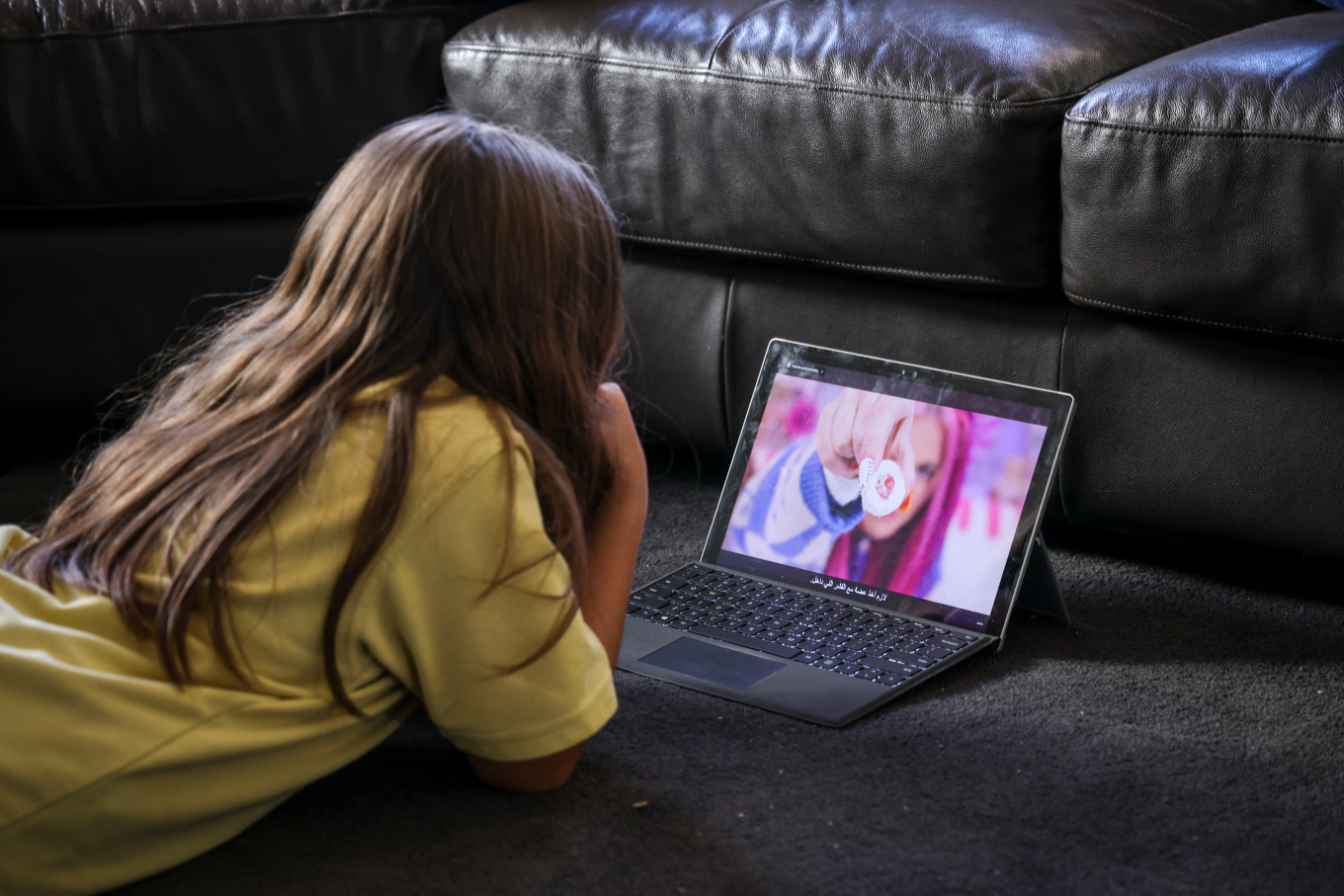 Protecting the youth: This photo taken on Oct. 30, 2025, shows a 10-year old lying on the floor as she watches a show on YouTube at her home in western Sydney, Australia. Australia’s under-16 social media ban will make the nation a real-life laboratory on how best to tackle the technology’s impact on young people, experts say. (AFP/David Gray)
T
he government plans to bar children under 16 from accessing e-commerce and financial technology platforms under sweeping new child protection rules for digital services, a move experts warn could slow digital and financial adoption among young users, if enforced too aggressively.
Under Government Regulation No. 17/2025, also known as PP Tunas, the rules would apply to both public and private electronic system providers (PSEs), covering services ranging from online retail and digital payments to banking, search engines and large-scale personal data processors.
“It applies to all PSEs. We are currently in the self-assessment stage by platforms, followed by a verification process by the ministry,” Communications and Digital Ministry Digital Space Supervision Director General Alexander Sabar told The Jakarta Post on Friday.
Alexander did not comment on whether the regulation would include a compliance deadline for platforms.
Read also: Government flags sanctions as Google resists under-16 ban
Indonesia started banning social media for children under 16 in March, when the communications ministry named eight platforms that must comply, namely YouTube, Facebook, Instagram, Threads, X, TikTok, Bigo Live and the gaming platform Roblox.

More online platforms now must conduct self-risk assessments covering areas including harmful content, exploitation of children as consumers, personal data security and addiction to determine whether their services fall into high- or low-risk categories for children, under Ministerial Decree No. 142/2025.