The Jakarta Post
Please Update your browser
Your browser is out of date, and may not be compatible with our website. A list of the most popular web browsers can be found below.
Just click on the icons to get to the download page.


Popular Reads
Top Results
No results found. Please check your search term and try again
Can't find what you're looking for?
View all search results
Popular Reads
Top Results
No results found. Please check your search term and try again
Can't find what you're looking for?
View all search resultsYearender: Civil movements take center stage in 2025
Civil movements and members of the general public have taken to the street, fought in courtrooms and voiced their concerns online against policymakers’ controversial decisions, with some campaigns having evolved to social movements to aid ones affected by disasters.
Change text size
Gift Premium Articles
to Anyone
Share the best of The Jakarta Post with friends, family, or colleagues. As a subscriber, you can gift 3 to 5 articles each month that anyone can read—no subscription needed!
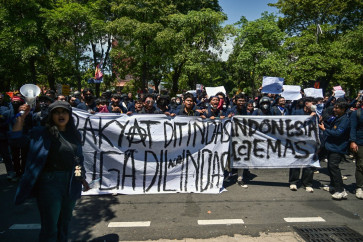
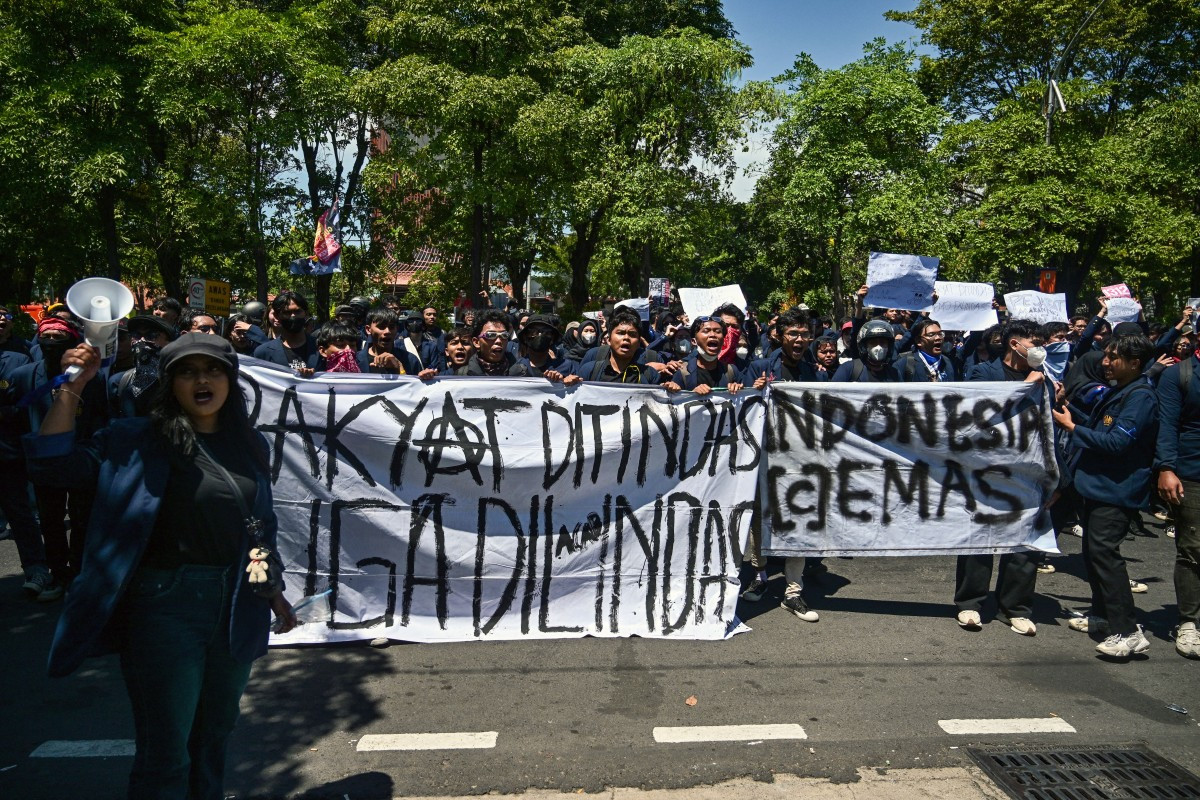 Demonstrators hold banners that read “The people are oppressed and also run over“ (left) and “Indonesia Cemas“ (Anxious Indonesia) right during a protest against police brutality in Surabaya, East Java on Aug. 30, 2025, following the death of an 'ojol' (online motorcycle transportation) driver who was run over by a police armored vehicle on Aug. 28 in Jakarta. (AFP/Juni Kriswanto)
F
rom the streets, courtrooms to social media feeds, Indonesian civil movements have endured one of their busiest years, with citizens repeatedly mobilizing to challenge various controversial decisions made by policymakers during President Prabowo Subianto’s first full year in office.
Throughout 2025, the President has recorded high approval ratings, indicating a broadly positive public reception of his administration’s policies.
However, the frequency and scale of protests throughout the year suggest it could be otherwise, with various elements of civil society, from rights activists to homemakers, taking issue with different aspects of the government’s agenda.
Among the flashpoints was the revision of the Indonesian Military (TNI) Law earlier this year, the first major legislative change initiated by the government and passed by the House of Representatives, which is dominated by parties in Prabowo’s coalition.
The revision process triggered a wave of protests billed Indonesia Gelap (Dark Indonesia) in February, with protesters voicing their anxiety over the military’s expanding role in civilian affairs.
While they could not hold the bill’s passage, civil society marched on by taking to the streets in more rallies. They voiced their concerns that the new law would pave the way for the return of the military’s dwifungsi (dual function) in the country’s defense and political affairs that once prevailed during former president Soeharto’s authoritarian regime, Prabowo’s former father-in-law.

Read also: Prosecutors indict four activists for inciting August unrest