The Jakarta Post
Please Update your browser
Your browser is out of date, and may not be compatible with our website. A list of the most popular web browsers can be found below.
Just click on the icons to get to the download page.


Popular Reads
Top Results
No results found. Please check your search term and try again
Can't find what you're looking for?
View all search results
Popular Reads
Top Results
No results found. Please check your search term and try again
Can't find what you're looking for?
View all search resultsHouse postpones plan to scrap direct regional elections
The House of Representatives has shelved plans to revise the Regional Elections Law this year amid mounting public pushback against a renewed proposal by President Prabowo Subianto’s ruling coalition to end direct elections for regional heads.
Change text size
Gift Premium Articles
to Anyone
Share the best of The Jakarta Post with friends, family, or colleagues. As a subscriber, you can gift 3 to 5 articles each month that anyone can read—no subscription needed!
 Set as preferred source
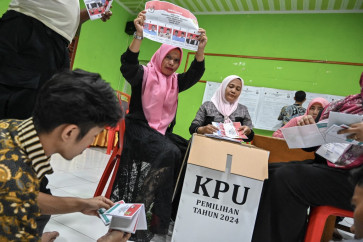
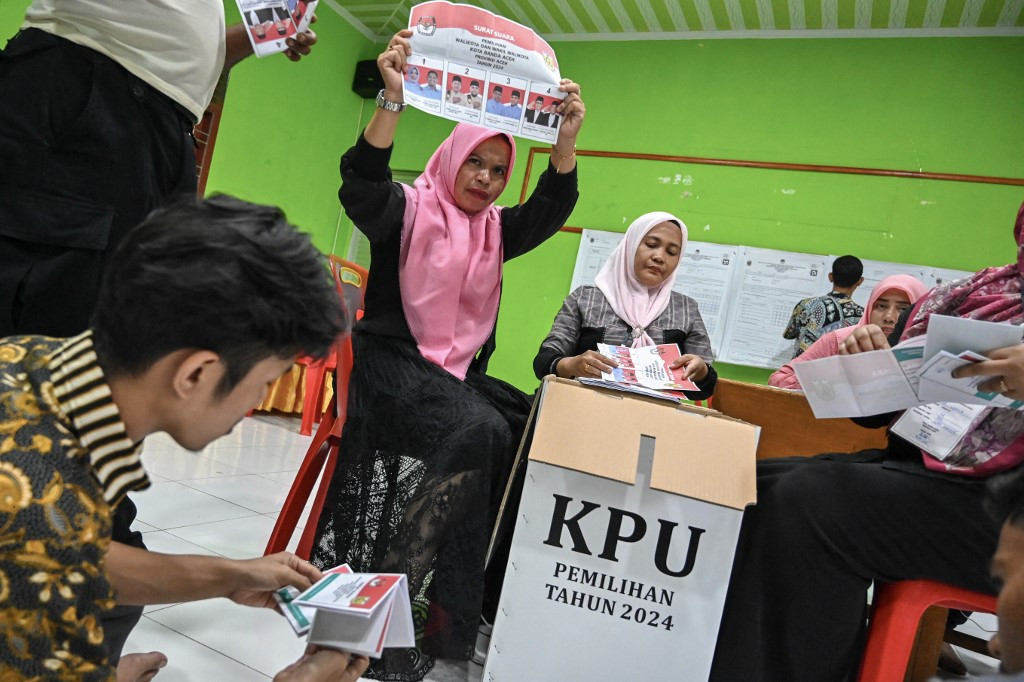 Poll workers count ballots at a polling station on Nov. 27, 2024, in Banda Aceh, Aceh, after voters cast their votes to pick local leaders in the country's biggest simultaneous regional election. More than 200 million people were eligible to vote to choose dozens of governors and mayors and 415 regents. (AFP/Chaideer Mahyuddin)
T
he House of Representatives has shelved a plan to revise the law on regional elections this year amid mounting public pushback against a renewed proposal by President Prabowo Subianto’s ruling coalition to end direct elections for regional heads.
Support has been growing among pro-government parties to scrap direct polls after President Prabowo Subianto several times floated the idea of returning to an old system used during the New Order authoritarian era, when governors, regents and mayors were selected by regional legislative councils (DPRD).
Observers and pro-democracy activists have warned that such a change could reverse the country’s hard-won democratic reforms, noting that the indirect system would ultimately shift power to vote away from voters and back into the hands of political elites.
House Deputy Speaker Sufmi Dasco Ahmad, a politician from Prabowo’s Gerindra Party, said on Monday that the legislature has no plan to discuss such a proposal in the near future, noting that the revision to the Regional Elections Law was not included in this year's list of priority bills.
“So far, the House has no plan to discuss revising the law, and the ideas circulating outside, that regional heads should be appointed or selected by the DPRD, have neither been placed on the agenda nor considered for discussion,” Dasco said.
He made the remark following a meeting earlier that day with State Secretary Prasetyo Hadi and leaders of House Commission II overseeing home affairs. They included commission chair and deputy chairs who represented the pro-government parties and a deputy chair from the quasi-opposition Indonesian Democratic Party of Struggle (PDI-P), the only party in the House that had previously rejected the return to the old indirect polling.

The move came amid growing public opposition to such a change. The latest public opinion survey released by the Research and Development Department (Litbang) of Kompas on Jan. 12 found that 77.3 percent of respondents favored maintaining direct local polls, with nearly half citing democracy and public participation as the main reasons.