TheJakartaPost
Please Update your browser
Your browser is out of date, and may not be compatible with our website. A list of the most popular web browsers can be found below.
Just click on the icons to get to the download page.


Popular Reads
Top Results
No results found. Please check your search term and try again
Can't find what you're looking for?
View all search results
Popular Reads
Top Results
No results found. Please check your search term and try again
Can't find what you're looking for?
View all search resultsRamadan: A spectrum of diversity in Indonesia
This photo series traces those 30 days of devotion across Indonesia, capturing the colors, rituals and human moments that define Ramadan, from village mosques to crowded city streets.
Change text size
Gift Premium Articles
to Anyone
Share the best of The Jakarta Post with friends, family, or colleagues. As a subscriber, you can gift 3 to 5 articles each month that anyone can read—no subscription needed!
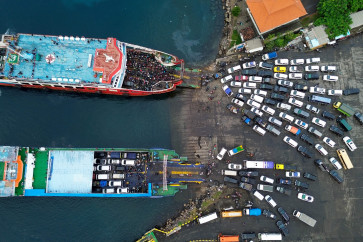
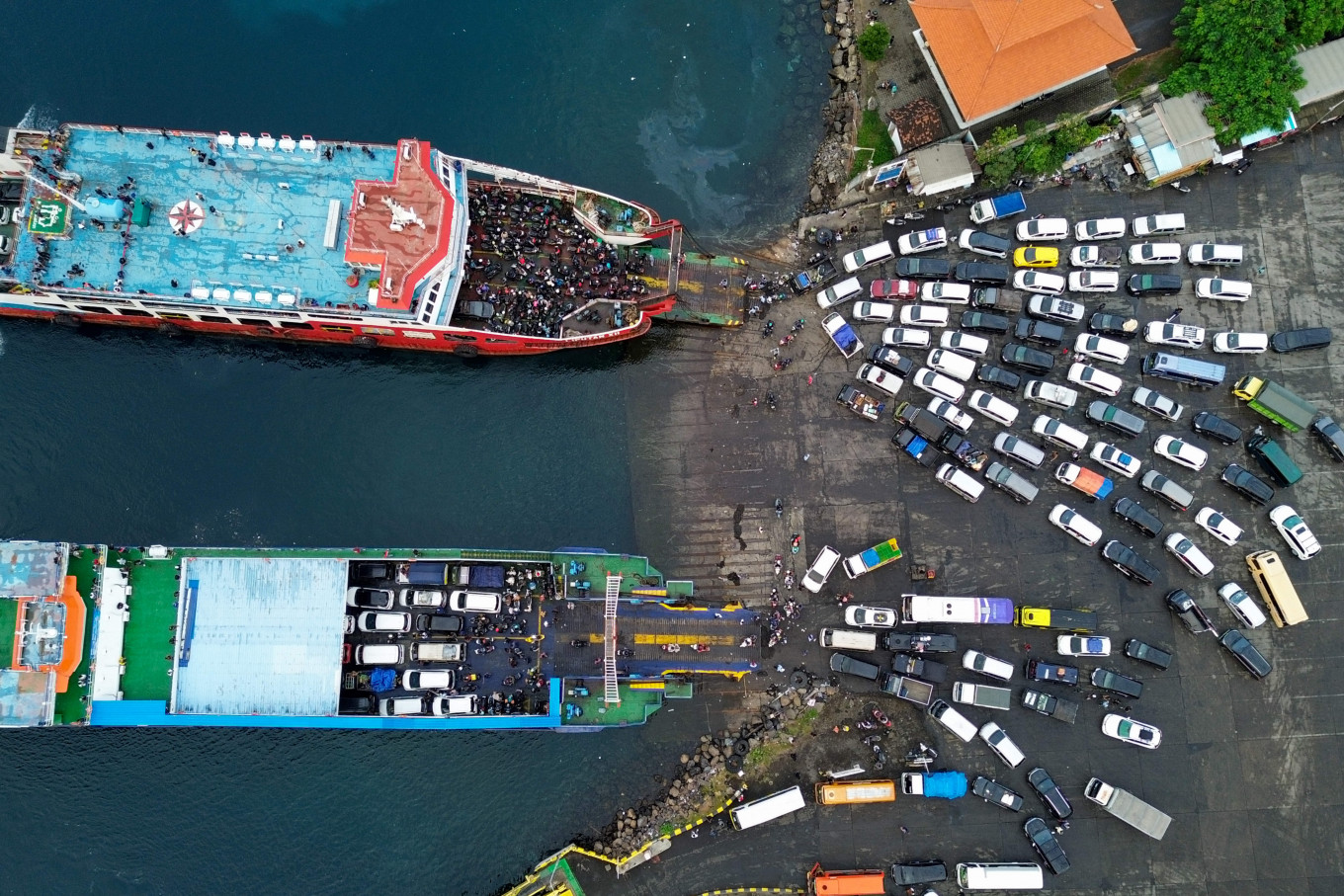 Homeward tide: An aerial view shows vehicles of homebound travelers lining up to board ferries at Gilimanuk Port in Jembrana, Bali, on March 15, 2026. Six days before Idul Fitri, traffic heading from Bali to Java surged as thousands of people began the annual mudik (exodus) to celebrate the holiday with family. (Antara/Budi Candra Setya)
R
amadan is more than an annual ritual marked by empty plates from dawn to dusk. For Muslims, fasting carries a layered meaning, spiritual discipline, social reflection and even physical renewal. In Indonesia, home to the world’s largest Muslim population, that meaning unfolds in countless ways, shaping how millions experience the holy month beyond routine and toward personal transformation.
The concept of fasting comes from the Arabic shaum or shiyam, meaning “to refrain.” In Islamic practice, it signifies abstaining from food, drink and anything that invalidates the fast from dawn until sunset, undertaken with the intention of worshipping Allah. The obligation is rooted in the Quran, Surah Al-Baqarah verse 183, which calls on believers to fast as earlier communities did. The Prophet Muhammad further affirmed the practice in authentic hadith as one of the pillars of Islam, making fasting not simply a choice, but a cornerstone of faith.
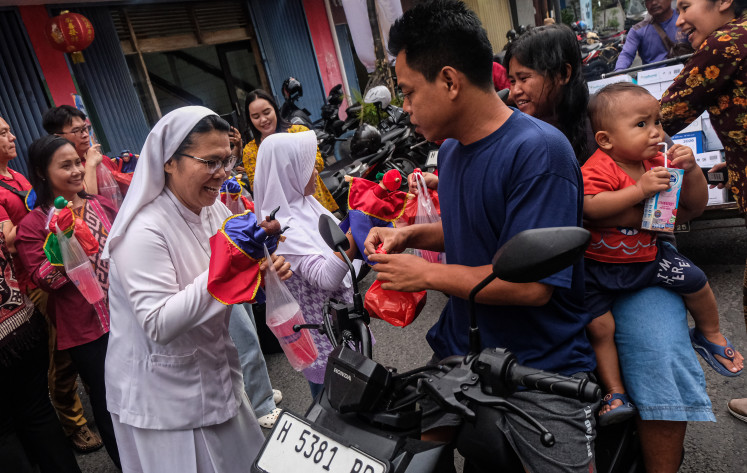
Faith in Indonesia, however, rarely stands alone. The archipelagic nation, ranked as the world’s fourth-most populous country with more than 280 million people, is also home to a mosaic of religions practiced side by side. Islam, Protestantism, Catholicism, Hinduism, Buddhism and Confucianism all shape daily life. During Ramadan, this diversity becomes especially visible.

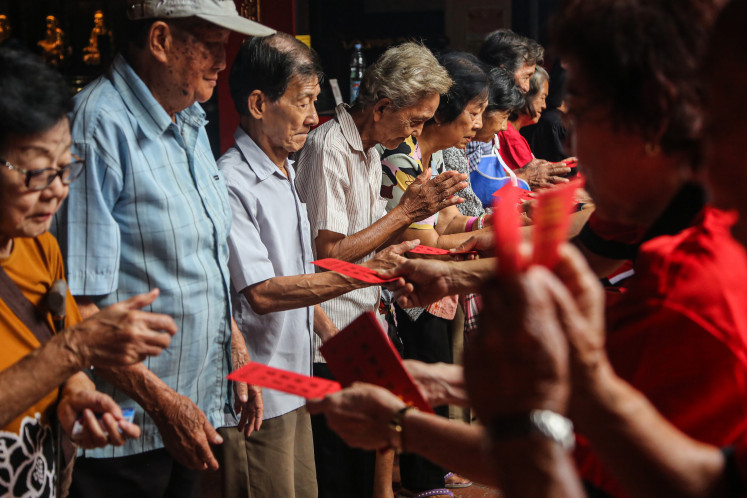
This year, March carries particular resonance for several religious communities at once. Muslims observed the fasting month of Ramadan while Catholics entered the Lenten season of fasting and reflection. The Chinese-Indonesian community celebrated Cap Go Meh, the 15th day after Lunar New Year, marking the close of festive celebrations, which this year coincides with Ramadan and is often accompanied by the sharing of takjil, the sweet snacks served to break the fast.