The Jakarta Post
Please Update your browser
Your browser is out of date, and may not be compatible with our website. A list of the most popular web browsers can be found below.
Just click on the icons to get to the download page.


Popular Reads
Top Results
No results found. Please check your search term and try again
Can't find what you're looking for?
View all search results
Popular Reads
Top Results
No results found. Please check your search term and try again
Can't find what you're looking for?
View all search resultsTech consultant gets four years in prison in Chromebook graft case
The judges argued that Ibrahim Arief had gone beyond the role of a neutral consultant, noting that while he had previously identified technical limitations in Chromebook devices, he later supported their adoption in discussions and presentations with the government’s representatives.
Change text size
Gift Premium Articles
to Anyone
Share the best of The Jakarta Post with friends, family, or colleagues. As a subscriber, you can gift 3 to 5 articles each month that anyone can read—no subscription needed!
 Set as preferred source
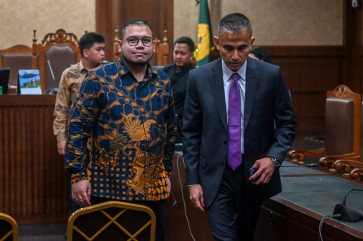
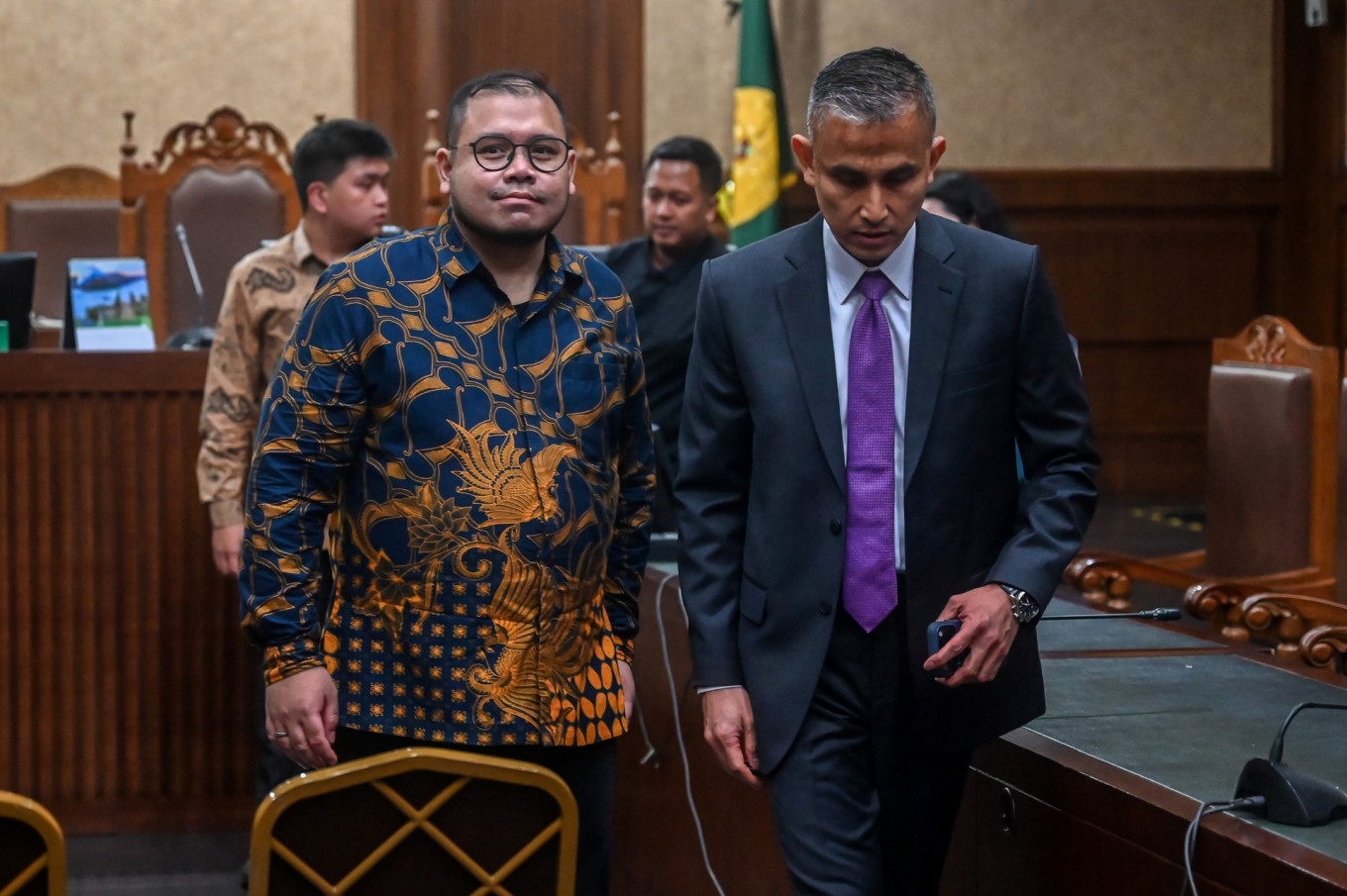 Technology consultant and graft defendant Ibrahim Arief (left) walks with his lawyer after the verdict hearing against him at the Jakarta Corruption Court in Jakarta on May 12, 2026. The judges sentenced him to four years in prison after finding him guilty of jointly committing corruption with other defendants in the procurement of Google Chromebook laptops for schoolchildren. (Antara/Rivan Awal Lingga )
T
he Jakarta Corruption Court has sentenced technology consultant Ibrahim Arief to four years in prison in a graft case pertaining to the procurement of Google Chromebook laptops for schoolchildren at the then-education, culture, research and technology ministry.
At the hearing on Tuesday, the panel of judges acquitted Ibrahim of the primary charges brought by prosecutors that the defendant allegedly received kickbacks or financial benefits from the multitrillion rupiah Chromebook laptop procurement between 2020 and 2022, when the ministry was led by then-education minister Nadiem Makarim.
However, the bench found the defendant, in his role as a consultant, contributed to actions that resulted in state losses while benefiting multiple parties, including individuals and corporations, in violation of the 2001 Corruption Law.
“[The judges] declare that the defendant [...] is legally and convincingly proven to have committed the criminal act of corruption jointly [with other individuals] as charged in the subsidiary indictment,” Judge Purwanto Abdullah said.
Aside from the four-year prison sentence, the court also ordered him to pay a Rp 500 million (US$28,544) fine, or serve an extra 120 days’ imprisonment in default
The laptop procurement was part of the ministry’s “digitalization of schools” policy to equip remote schools with digital devices and infrastructure. The Attorney General’s Office (AGO) suspected corruption engaged in by Nadiem, Ibrahim and other defendants in the project caused Rp 2.18 trillion in state losses.

The judges argued that Ibrahim had gone beyond the role of a neutral consultant, noting that while he had previously identified technical limitations in Chromebook devices, he later supported their adoption in discussions and presentations with the government’s representatives.