The Jakarta Post
Please Update your browser
Your browser is out of date, and may not be compatible with our website. A list of the most popular web browsers can be found below.
Just click on the icons to get to the download page.


Popular Reads
Top Results
No results found. Please check your search term and try again
Can't find what you're looking for?
View all search results
Popular Reads
Top Results
No results found. Please check your search term and try again
Can't find what you're looking for?
View all search resultsChina is having a good war, so far
So far China is weathering the United States-Israeli war on Iran better than many of its neighbors and treading a cautious path as opportunities to profit from the fallout emerge.
Change text size
Gift Premium Articles
to Anyone
Share the best of The Jakarta Post with friends, family, or colleagues. As a subscriber, you can gift 3 to 5 articles each month that anyone can read—no subscription needed!
 Set as preferred source
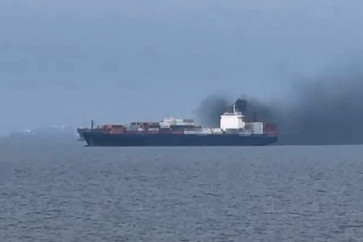
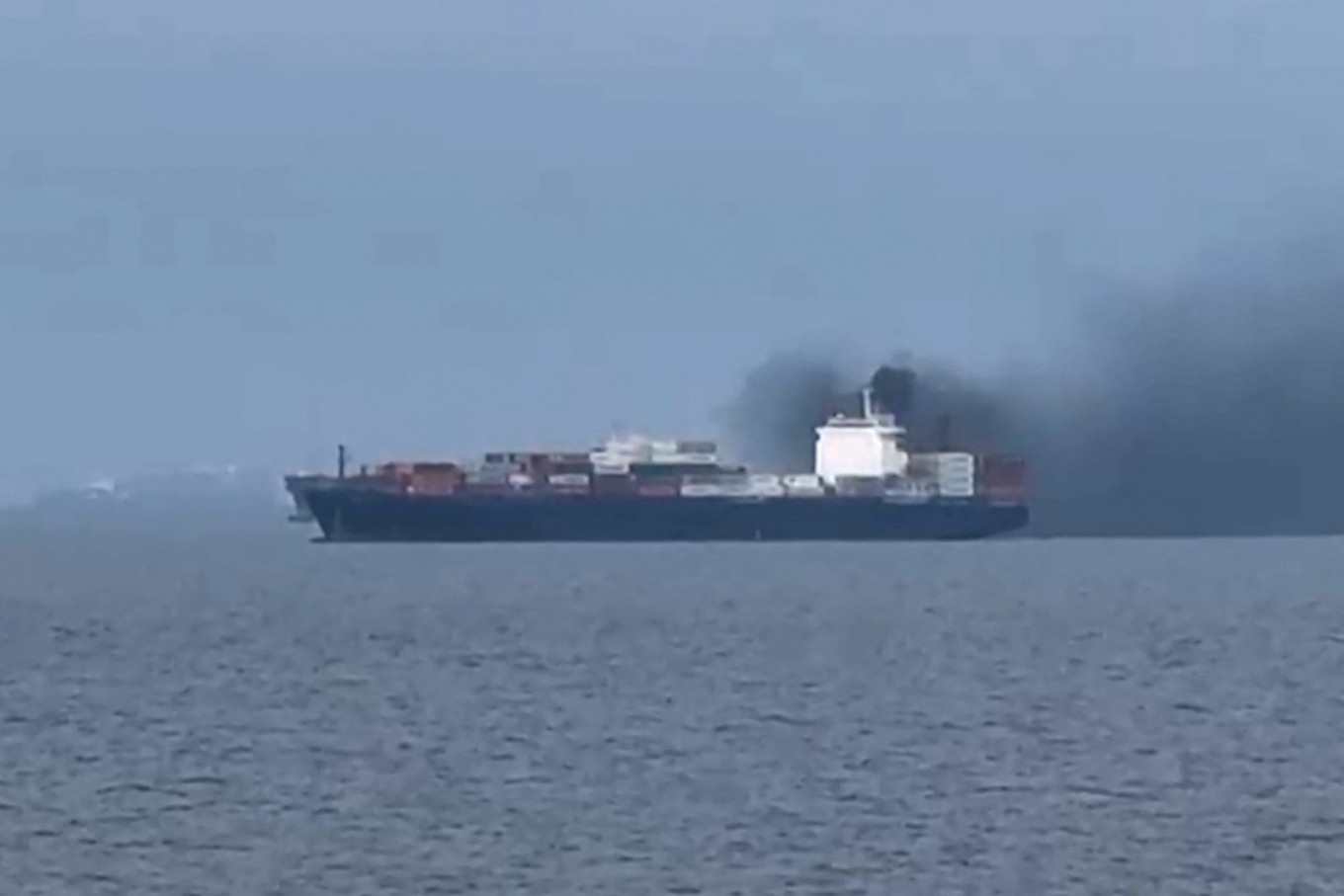 Smoke emerges from the Source Blessing cargo vessel, as filmed by seafarer Wang Shang in the Gulf, north of Dubai on March 12, 2026 and released to AFPTV on March 13. (AFP/Wang Shang/UGC via AFPTV)
I
n the past, the conventional wisdom was that a major conflict in the oil-producing heart of the Middle East could badly destabilize China, the world’s leading oil importer. Yet so far, China is weathering the United States-Israeli war on Iran better than many of its neighbors and treading a cautious path as opportunities to profit from the fallout emerge.
Chinese President Xi Jinping has now watched both Russian President Vladimir Putin and US President Donald Trump launch wars against overmatched opponents, only to face unwelcome surprises. Meanwhile, he has avoided unnecessary risks in positioning China for long-term strength and stability, acting cautiously in his responses to the COVID-19 pandemic and China’s structural economic weaknesses.
Likewise, Xi proved unwilling to support Russia’s war in Ukraine directly or even to recognize Putin’s territorial claims. Now he is refraining from openly criticizing the US bombing campaign in Iran. The invitation remains open for Trump to visit Beijing next month.
Nor is China as damaged by this war, and the massing of firepower in and around the strategically vital Strait of Hormuz, as it would have been even a few years ago. Its oil stockpiles and strong refining capacity limit the risk of near-term fuel shortages. Its pipeline gas imports and domestic gas production now ease its need for liquefied natural gas. And if the war drags on, it can get more energy from friendly countries, particularly Russia, as well as from its vast coal reserves and renewables.
The war has even given China some advantages. Its fully integrated supply chains make it better able than rival exporters to contain production costs, and today’s elevated prices for oil and maritime insurance are boosting demand for China’s clean-tech exports. This will lift long-term investment in electrification and help more economies diversify away from oil and gas. These processes were well underway before the war, but the conflict’s destruction of energy infrastructure and fears of more to come will accelerate them.
China also benefits strategically from America’s loss of firepower. The war has depleted US stockpiles of long-range cruise missiles and interceptors, most of which will take years to replenish. These shortages, in turn, will deepen America’s already heavy dependence on Chinese exports of the critical minerals needed to produce new weaponry and ammunition. While the US could try to find workarounds in the next three to five years, a decade is a more realistic timeframe. In the meantime, Trump will have a weaker hand in negotiating with Xi.

China also benefits from America’s loss of reputation as a reliable international actor, as evidenced by the fact that wealthy and developing countries alike are increasingly hedging their bets geopolitically.