The Jakarta Post
Please Update your browser
Your browser is out of date, and may not be compatible with our website. A list of the most popular web browsers can be found below.
Just click on the icons to get to the download page.


Popular Reads
Top Results
No results found. Please check your search term and try again
Can't find what you're looking for?
View all search results
Popular Reads
Top Results
No results found. Please check your search term and try again
Can't find what you're looking for?
View all search resultsAnalysis: Indonesia finds little comfort from Xi-Trump summit
Change text size
Gift Premium Articles
to Anyone
Share the best of The Jakarta Post with friends, family, or colleagues. As a subscriber, you can gift 3 to 5 articles each month that anyone can read—no subscription needed!
 Set as preferred source
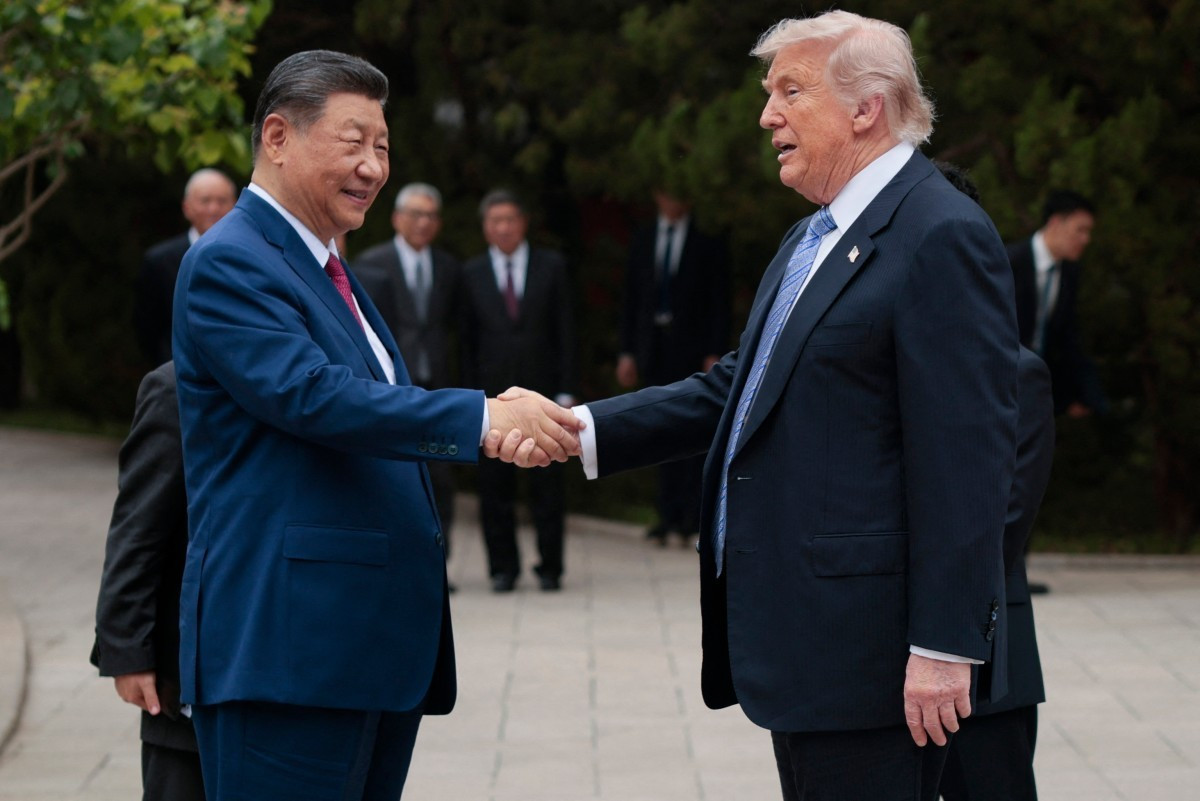 US President Donald Trump (right) shakes hands with China's President Xi Jinping as he leaves after a visit to Zhongnanhai Garden in Beijing on May 15, 2026 (AFP/Evan Vucci))
T
he tensions between China and the United States, which have seen the two superpowers at loggerheads in recent years, have eased following a meeting between leaders Xi Jinping and Donald Trump in Beijing on May 14-15. The long-awaited summit provided a temporary pause in the rivalry, injecting a measure of stability into a world currently haunted by wars, trade disputes and a looming global economic crisis triggered by rising oil prices. At the very least, the two leaders were talking rather than fighting.
However, whatever agreements they struck, and neither side has revealed much, it is clear they failed to produce solutions to end the conflicts in the Middle East and Ukraine, leaving the global economy stuck in the doldrums. And while they appear to have de-escalated their bilateral trade dispute, the world must wait to see how this truce will ripple across other economies.
Crucially, there was no resolution to the conflict the US is waging against Iran. Trump had hoped Xi would side with Washington to curtail Iran’s nuclear weapons program, only to be told that the issue must be resolved through negotiation rather than force. Furthermore, Xi flatly rejected Trump’s request to help secure the Strait of Hormuz, a vital maritime chokepoint controlled by Iran through which much of China’s oil passes.
This impasse is bad news for President Prabowo Subianto, whose economic policies hinge on the assumption that the conflict with Iran will soon end. Unlike many of Indonesia’s Asian neighbors, Prabowo has resisted raising domestic gasoline prices and has largely maintained robust government spending. This includes funding for his popular signature policy, the free nutritious meal program for schoolchildren.
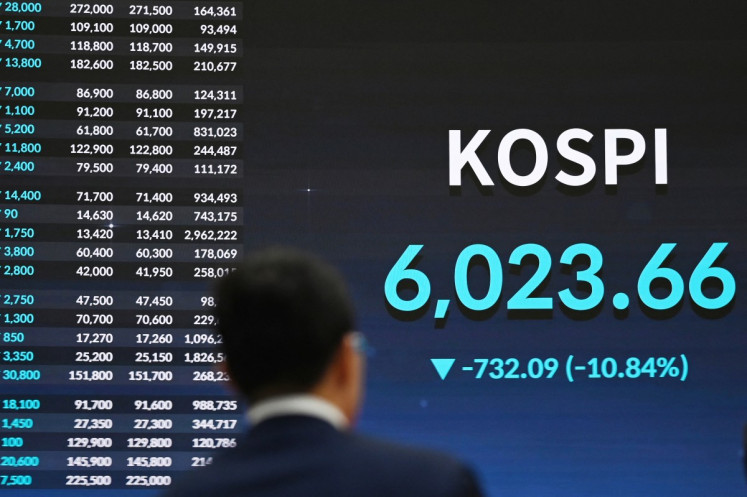
To maintain these policies, Prabowo has allowed government deficit spending to climb close to the legally mandated 3 percent cap. However, his optimism is not shared by the markets, international investors or an increasingly anxious Indonesian public. The rupiah has plunged to historic lows and continues to slide, while the local stock market has nosedived, particularly following downgrades by global rating agencies, including MSCI.
Indonesia has been banking heavily on a swift conclusion to the Iran conflict, regardless of who emerges victorious. A prolonged war will severely damage the domestic economy and eventually force Prabowo to implement drastic, unpopular fiscal measures. Even without a hike in fuel prices, the costs of food and other basic commodities are already climbing. Indonesia, which relies heavily on imports for its fuel needs, has been scrambling to secure alternative energy supplies to replace those typically shipped through the Strait of Hormuz.

Another reason Indonesia and the wider Southeast Asian region should view the Xi-Trump summit with concern is that the two leaders completely bypassed the primary security issue affecting the region: the growing tension in the South China Sea. This waterway is equally vital to international trade, yet China maintains overlapping territorial claims there with several ASEAN member states.