The Jakarta Post
Please Update your browser
Your browser is out of date, and may not be compatible with our website. A list of the most popular web browsers can be found below.
Just click on the icons to get to the download page.


Popular Reads
Top Results
No results found. Please check your search term and try again
Can't find what you're looking for?
View all search results
Popular Reads
Top Results
No results found. Please check your search term and try again
Can't find what you're looking for?
View all search resultsIndonesia needs more than a US-China trade truce
While a US-China truce may calm global markets, Indonesia must use the APEC summit in Shenzhen to scrutinize bilateral coal concessions and lock in transparent, paperless trade rules so its businesses can thrive without relying on the next superpower bargain.
Change text size
Gift Premium Articles
to Anyone
Share the best of The Jakarta Post with friends, family, or colleagues. As a subscriber, you can gift 3 to 5 articles each month that anyone can read—no subscription needed!
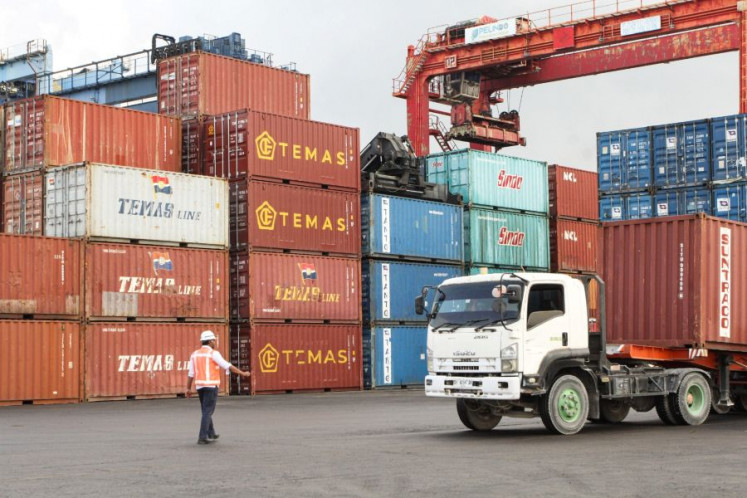
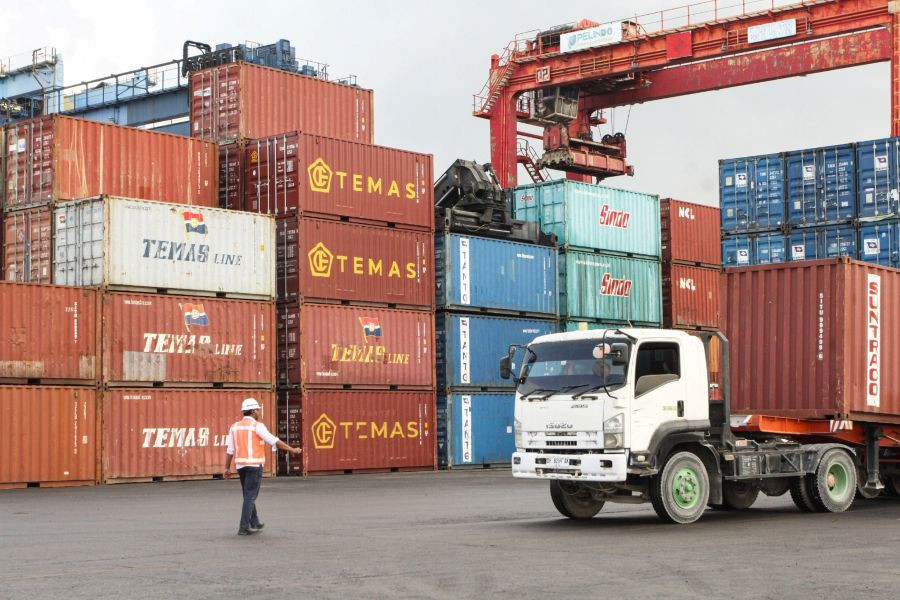 Heavy logistics: A traffic coordinator gestures on Nov. 9, 2026 while overseeing freight activities at the Pelindo Container Terminal at the port of Kupang in East Nusa Tenggara. (Antara/Mega Tokan)
A
n agreement between Washington and Beijing can calm markets while changing whose exports Chinese buyers prefer. Indonesia has reason to welcome the first effect and examine the second. At the APEC leaders’ meeting in Shenzhen this week, its task is to secure gains that Indonesian firms can use without depending on the next bargain between the two powers.
Coal makes the stakes tangible. In September, the White House said China would import at least 10 million tonnes of American coal in both 2027 and 2028. China’s commerce ministry described putting coal into a reciprocal tariff-reduction framework and named the same years, without specifying a minimum quantity. Indonesian producers need to know what changes in an actual tender. A purchase announcement alone cannot tell them.
The market was already becoming harder. The International Energy Agency puts Indonesia’s 2025 thermal coal exports at 517 million tonnes, down from 557 million in 2024, mainly because China imported less. Those are preliminary figures. They describe a contraction that preceded the September agreement; they cannot measure its effect.
Nor should Jakarta subtract every promised American tonne from its own prospective sales. Utilities buy coal with different energy content and technical characteristics. Freight and delivered prices matter. Some buyers may substitute between suppliers; others cannot do so economically. Rising demand could accommodate both. The useful question is whether a concession changes competition for comparable coal delivered to the same buyer.
Indonesian officials and industry associations could start by comparing the published tariff treatment and subsequent tenders, separating changes in demand from changes in supplier preference. This would give Jakarta a basis for a specific commercial inquiry. It would also help producers decide where to seek customers, rather than planning investment around an assumption that every bilateral announcement must hurt them.
The broader concern reaches beyond coal. A succession of bilateral purchase promises can turn regional trade into a competition for political inclusion. Governments then spend their negotiating effort asking which favored list their firms can join. Indonesia has a stronger interest in conditions that let firms compete even when their government was absent from the room.

Some of the September language provides an opening. On financial services, Beijing said it would process applications from institutions of all countries, including US institutions, to conduct business and establish branches in China. A right to apply does not guarantee approval or equivalent treatment.