TheJakartaPost
Please Update your browser
Your browser is out of date, and may not be compatible with our website. A list of the most popular web browsers can be found below.
Just click on the icons to get to the download page.


Popular Reads
Top Results
No results found. Please check your search term and try again
Can't find what you're looking for?
View all search results
Popular Reads
Top Results
No results found. Please check your search term and try again
Can't find what you're looking for?
View all search resultsHow we can do better: Food influencers
"How we can do better" is a new column that takes an insider's look at various industries and the ways they could improve. In this installment, we delve into the ethical and moral codes of culinary promotion, especially the strategies that are closely tied to a specific culture.
Change text size
Gift Premium Articles
to Anyone
Share the best of The Jakarta Post with friends, family, or colleagues. As a subscriber, you can gift 3 to 5 articles each month that anyone can read—no subscription needed!
"How we can do better" is a new column that takes an insider's look at various industries and the ways they could improve. In this installment, we delve into the ethical and moral codes in culinary promotion, especially the strategies that are closely tied to a specific culture.
The prominence of social media in the modern lexicon has lowered the barrier of entry for foodies to become the opinion leaders they aspire to be. Some are in it to score good endorsement deals, and some are fighting for a cause. The intention may vary, but the complexity of food remains the same: shed a few layers beyond what is served on the plate, and there lie dimensions of one's identity and pride.
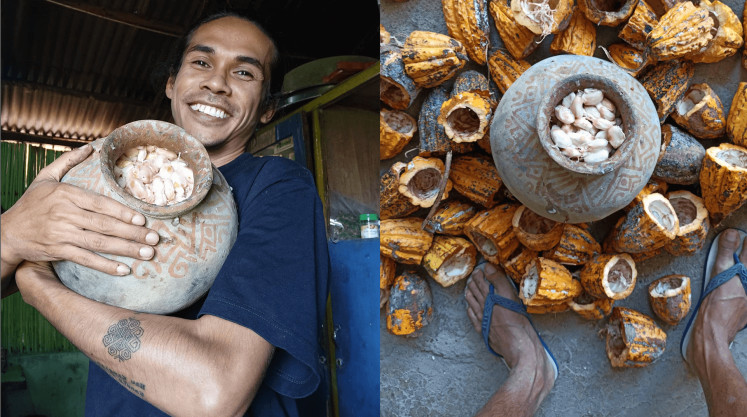
As food activist Dicky Senda puts it: "There is more to food above its taste and satiety, a portrait of politics, history, culture, art. Food also [represents a culture’s] ecology, sustainability, preservation — a lot of narratives that hold greater importance than taste."
Dicky uses an obvious example.
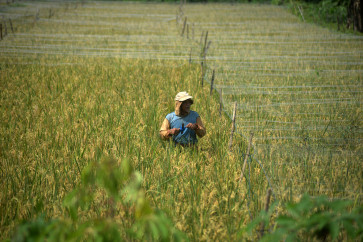
"Rice is central to Indonesians' lives today and it is because of the green revolution, as well as rice self-sufficiency politics under Soeharto’s regime that played a huge part. Food could also be closely tied to art, like how here in Mollo, East Nusa Tenggara, where I live, there is a certain dance performed right during the harvest season," Dicky told The Jakarta Post.
How food interweaves not only with culture but also pride is proven when one local culinary storyteller's slip of the tongue went viral and caused a community outrage. In early July, a clip of Ade Putri Paramadita sharing her two cents on yellow gravy fish, a culturally significant dish to the people of Tanimbar Kei, Maluku, circulated widely on the internet.
As a guest on a podcast hosted by comedian Soleh Solihun, Ade mentioned that the food "doesn't taste good" because of Tanimbar Kei's remote location, which meant it had very little culinary influence from outside the area. The YouTube video has now been taken down.
Two days later, Ade posted a clarification video on her Instagram account. She apologized for her poor choice of words, adding that she should have said the food wasn't to her liking. The Post spoke with Ade Putri Paramadita in mid-August, but she later asked to not be quoted for this story.
Harder to promote
Similar controversies are brought to light every day in the boiler room of social media, only to be forgotten after a few days. Yet it sparked a necessary discussion for Indonesia's culinary storytellers, journalists and activists alike to understand how much of an impact they have on the industry.
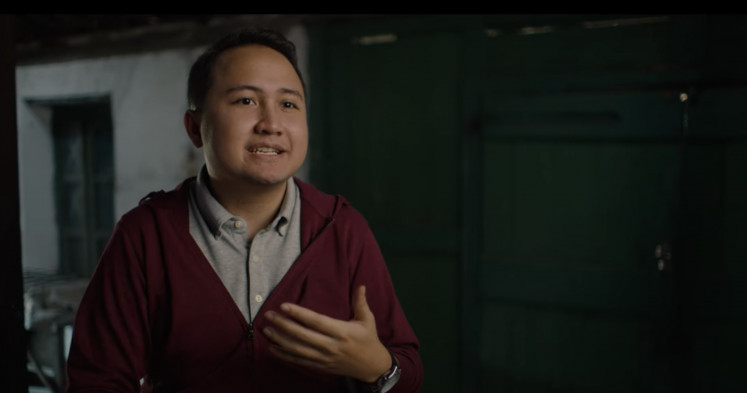
Kevindra Soemantri, a food writer and the host of Netflix's Street Food Asia remembered being extremely cautious in his experience of presenting Yogyakarta's street food and culture.
"I ran through the script countless times and I was adamant in my decision not to say something that may be misinterpreted," said Kevindra, who is also the editorial director and restaurant editor of a food website FEASTIN', previously Top Tables.
"If we write or talk about restaurant reviews, the indicators are clear: the food, ambiance and service. But when it comes to traditional food, the taste is important, but the whole value, experience and emotional attachment always come first."
Responding to what happened with Ade and the backlash she received, the anger leveled toward her was understandable through the eyes of Dicky Senda, who was born in Eastern Indonesia and is a food activist himself.
"At this point, we are so fed up with people shoving their standards down our throat about how we should dress, speak and behave in a certain way. It's been going on for too long and [the anger] was just a rejection of subconscious colonization," Dicky told the Post.
He also stressed that we often failed to see that a region's culinary culture was not established overnight.
"There might have been political events, unpleasant experiences or even sacrifices happening behind the making of a dish, and we will never know if a comment could hurt people's feelings."
Credibility's rise or demise?
Everyone is a critic and it's easy to let a bad experience put a dent in businesses that have people depending on them for their livelihoods. This is where credibility is questioned. As an influential voice in the industry, Kevindra carries the responsibility by being clear in his intention.
"Restaurant criticism is a part of the industry, just like film and music criticism. So, I bear in mind that whatever I write, it was fueled by my longing for the industry to get better," said Kevindra.
So, if one lacks the capacity to talk about a particular region, the microphone should be passed to other more knowledgeable groups, according to Kevindra.
"This job's general rule of thumb is not to shy away from any food, except when they go against your health, customs or religious beliefs. But for me myself, I keep my mouth shut when I know little or nothing about a region — we may have prejudices and biased opinions."
Nevertheless, social media has provided easy access for people with questionable credibility to add to the noise, but it has also helped bridge the ever-present gap.
"For so long, there has been a disparity between the eastern part of Indonesia and the rest of the country. Information has been monopolized in one-way access. But today, thanks to the internet, we can put our creative traces out for the whole nation to see. This also raises awareness about my gastronomy activist friends, like Charles Toto from Papua and Maulana Ibrahim from Ternate, North Maluku,” said Dicky.
Kevindra concurs.
"Our diversity leads to complexities, and it would be best if every region has at least one food writer that is fluent in their own culinary culture," he said.
"I can't be happier seeing new, aspiring food journalists. After all, the market constantly demands food recommendations and conversations revolving around culinary culture. Food bloggers have been a helpful answer to that demand and it's about time people care more about other things besides taste in food."