TheJakartaPost
Please Update your browser
Your browser is out of date, and may not be compatible with our website. A list of the most popular web browsers can be found below.
Just click on the icons to get to the download page.


Popular Reads
Top Results
No results found. Please check your search term and try again
Can't find what you're looking for?
View all search results
Popular Reads
Top Results
No results found. Please check your search term and try again
Can't find what you're looking for?
View all search resultsEnergy justice: Not an option, but a must in energy transition
It is crucial to secure the energy access of marginalized communities and facilitate their participation in energy distribution -- issues often dismissed in the existing energy system.
Change text size
Gift Premium Articles
to Anyone
Share the best of The Jakarta Post with friends, family, or colleagues. As a subscriber, you can gift 3 to 5 articles each month that anyone can read—no subscription needed!

The G20’s Energy Transition Working Group held its first meeting in Yogyakarta last March, the main topic being innovation and technology in renewable energy development. Along with the other two priorities of Indonesia’s 2022 presidency, global health architecture and digital transformation, G20 member countries will have to finalize agreements on sustainable energy transition in September.
Energy transition has indeed grown to be an urgent matter, considering the exigent impact of climate change, with increasing disasters, food security issues and rising sea levels. According to the last Intergovernmental Panel on Climate Change (IPCC) report, there is strong evidence for the increase of ill health and premature deaths in the near-to-long term as the global population is increasingly exposed to heat-waves and climate-sensitive diseases.
It is clear that our fossil-reliant energy system requires significant transformation in the transition to a cleaner and more sustainable source. As the same report suggests, energy transition remains the most feasible climate adaptation strategy, with the priorities of resilience infrastructure, reliable power systems and efficient water use for energy generation.
Despite the clear need for energy transition, the process is rather complex, with matters going beyond the question of technological advancement and financing, but also including security and justice. While the former is concerned with supply availability, the latter focuses on distributional and procedural aspects of the energy transition.
According to energy governance experts Benjamin K. Sovacool and Michael H. Dworkin, energy justice seeks to ensure three things in the energy transition process: proportionate distribution of socio-environmental hazards from energy production; equitable access to energy systems and services; and fair decision-making, in which stakeholders can access information and participate.
Inherently, energy justice poses these three questions in the transition process: energy for whom, for what and at whose cost? Therefore, energy justice is crucial to secure the energy access of marginalized communities and facilitate their participation in the energy distribution, issues which are often dismissed in the existing energy system.
Nevertheless, the current discussion of energy transition pays little attention to the question of energy justice, as evident in current G20 forum. The agenda for sustainable energy transition solely covers energy security, intelligent technology availability and energy financing promotion.
Such issue prioritization is understandable considering the common concern about the pressing need for clean technology and financing to accelerate the low carbon transition in the Global South. Nevertheless, energy transition with no attention to justice runs at the risk of exclusion and inequality toward the vulnerable communities who need to be equipped in the face of climate crisis.
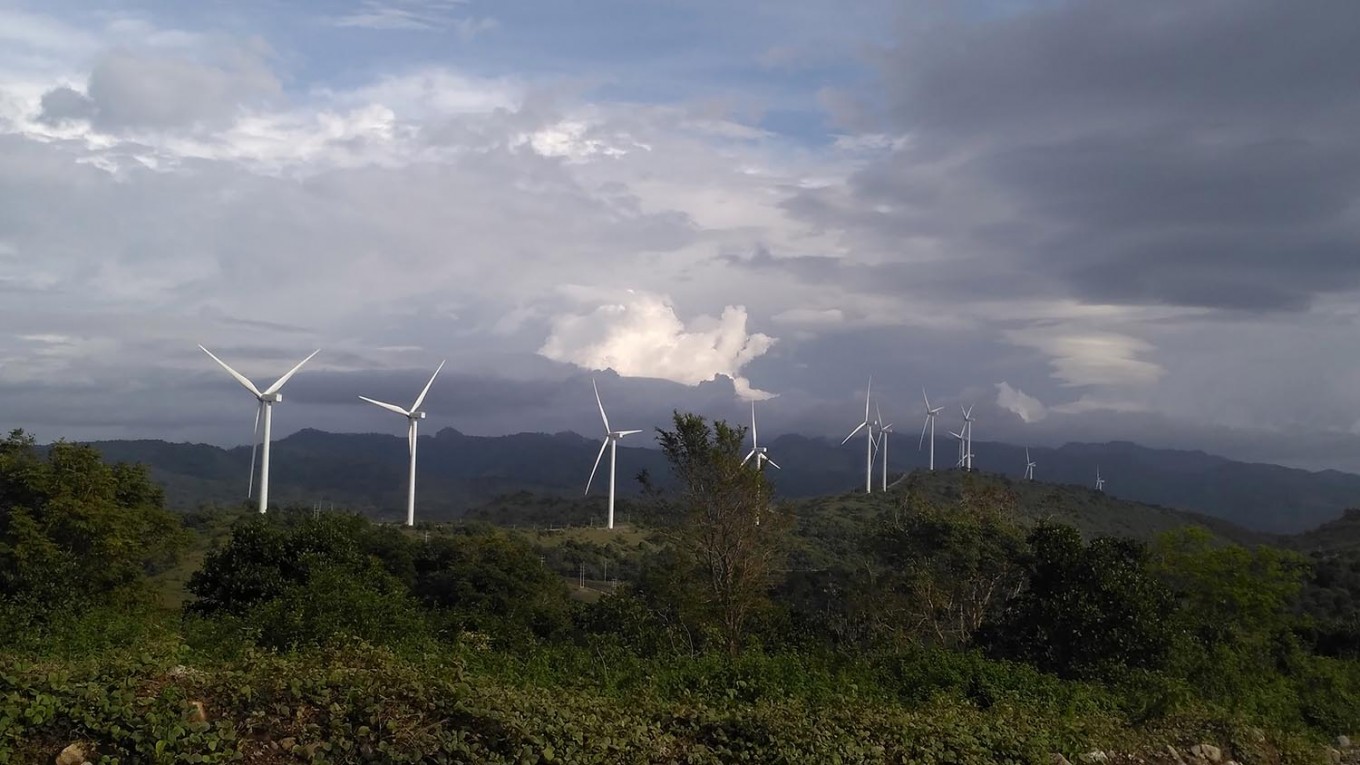
For instance, Setyowati's (2020) research revealed how the wind power plant in Sidenreng Rappang, South Sulawesi, excluded the rural community living near the infrastructure from accessing the electricity, as the supply goes to the city area. In their book, Climate Capitalism (2010), Peter Newell and Matthew Paterson argue how a failure to enact a just energy transition might lead to the so-called "decarbonized dystopia", where a series of quick fixes to energy transition come with a range of negative social consequences such as exclusion, displacement and environmental harm.
Therefore, how can we integrate justice into the energy transition plan? First of all, we can diversify climate adaptation and mitigation knowledge by embracing traditional knowledge. This effort can affect the energy transition process in the context in which it is being implemented, not only in terms of available resources, but also in optimizing the potential of the local community.
Secondly, we can empower the local community by including them in the decision-making process and planning for the energy transition. In this regard, local communities act as the active stakeholders in the energy transition to initiate, implement and maintain the process rather than as a passive target of policy intervention.
To do so is to decentralize the energy transition process by encouraging small-scale power grids and bringing them closer to the consumer.
Energy decentralization represents the antithesis of a top-down market governance model. It enables collaborative community ownership for the pursuit of justice. Indeed, the push for decentralized energy transition is already well underway, with groups mobilizing to provide affordable clean energy to communities in various parts of the world, from Kenya to Nepal to Bolivia.
Therefore, the global discussion on energy transition should include energy justice in the equation, considering its urgency. Indonesia's G20 presidency can be a monumental opportunity to initiate the discussion, as energy justice can also accommodate the Global South's concern about the inequality of finance, knowledge and technology available for tackling climate change.
Equally important, Indonesia can use the forum to generate support for accelerating decentralized renewable energy initiatives in both the Global South and North. Referring to the IPCC report, by decentralizing energy transition, true community resilience grows and autonomous adaptation develops, which may be more sustainable and cost-effective in the long-term future.
Thus, energy justice is not a mere option, but rather a must in achieving a climate-resilient future.
***
The writer is a lecturer at International Relations Department, Faculty of Social and Political Sciences, Gadjah Mada University. These views are personal.