The Jakarta Post
Please Update your browser
Your browser is out of date, and may not be compatible with our website. A list of the most popular web browsers can be found below.
Just click on the icons to get to the download page.


Popular Reads
Top Results
No results found. Please check your search term and try again
Can't find what you're looking for?
View all search results
Popular Reads
Top Results
No results found. Please check your search term and try again
Can't find what you're looking for?
View all search resultspln

Regulations 2 months ago
PREMIUM
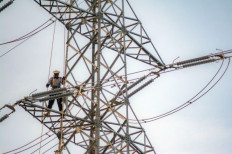
Coal price gap triggers power crisis in Indonesia
A coal power plant has been restored to the Java grid, but state-owned electricity firm PLN's deeper issues persist: a $70 price cap that bars it from competing for supply, regulatory ambiguity over where domestic coal flows and a compensation fund that remains in limbo.
Economy 2 months ago
PREMIUM
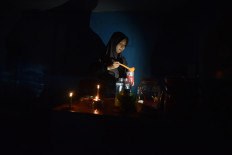
Rolling blackouts in Java reignite concerns over electric grid
Rolling power outages across parts of Java and Bali over the weekend have disrupted household and business activities, reigniting concerns over the reliability of Indonesia’s electricity system, with experts warning that the situation could persist for up to two more weeks.

Regulations 2 months ago
PREMIUM
Govt may increase coal price cap to address PLN supply shortage
Energy and Mineral Resources Minister Bahlil Lahadalia previously revealed a significant 20-million-tonne coal supply gap for PLN that remains uncontracted this year, raising fresh concerns about national energy security.
Archipelago 3 months ago
PREMIUM
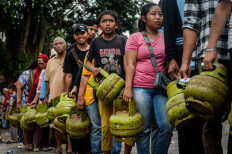
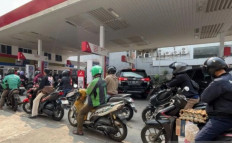
Repeated blackouts across Indonesia put PLN reliability under scrutiny
In Medan, North Sumatra, the blackouts have now triggered a looming clean water supply crisis after critical equipment operated by regional water company PDAM Tirtanadi was damaged during the outages.

Editor's Picks
Popular
- Much ado about asset forfeiture
- Mass poisonings cast doubt on free meals reforms
- The benefit of the doubt has expired
- New data rules could unlock cross-border data flows
- Prabowo replaces Finance Minister Purbaya with his deputy
- Children are no longer the priority, were they ever?
- Six killed, 129 missing after ferry capsizes off Java
- Prabowo calls for Global South, BRICS unity amid fragmented world order
- SOE dividend grab tests Danantara’s mandate
- Houthis' Yemen advance leaves Gulf states with uncomfortable choice


